

Imagine serving a perfectly cooked pork tenderloin that melts in your mouth and fills your kitchen with tantalizing aromas. You can achieve this culinary masterpiece using a Dutch oven, a versatile kitchen tool that enhances flavors and ensures even cooking.
But here’s the catch: knowing the precise cooking time is crucial to avoid undercooked or dry meat. You’ll discover the secrets to cooking pork tenderloin in a Dutch oven, ensuring every meal you prepare is a success. Whether you’re a seasoned cook or a kitchen novice, unlocking the perfect timing will elevate your culinary skills and impress your guests.
Keep reading to find the tips and tricks that will turn your pork tenderloin into a succulent delight.
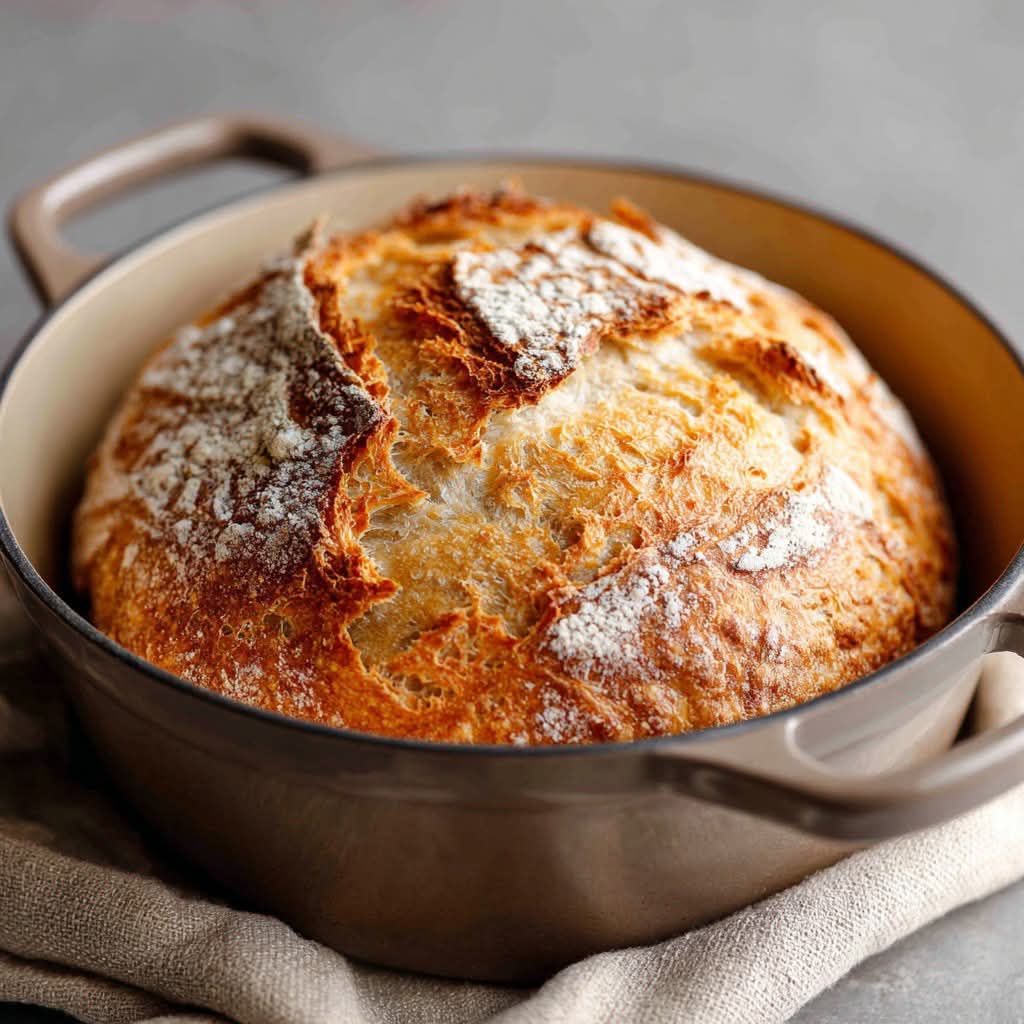
Credit: www.facebook.com
Choosing The Right Pork Tenderloin
Cooking pork tenderloin in a Dutch oven requires precise timing for tender results. Typically, 25-30 minutes at 375°F ensures perfect doneness. Always use a meat thermometer for accuracy.
Selecting Quality Meat
Choose tenderloin that is pinkish and fresh. Avoid dull or grayish meat. Check the label for quality assurance. Prefer organic or grass-fed options. Look for a smooth texture. Avoid any cuts with excessive fat. Ensure the meat is firm to touch. Fresh meat smells slightly sweet. Avoid sour or unpleasant odors. Check for clear packaging with no leaks.
Preparation Tips
Trim excess fat before cooking. Season generously with salt and pepper. Add herbs for extra flavor. Garlic and rosemary work great. Use olive oil for searing. Heat the Dutch oven before adding meat. Brown each side for a crispy crust. Lower heat for slow cooking. Cover to keep moisture locked. Check the temperature regularly. Aim for a juicy center. Let it rest before slicing.
Preparing The Dutch Oven
A Dutch oven is needed for cooking pork tenderloin. Choose a heavyone with a tight-fitting lid. This will help keep the heat inside. You also need a meat thermometerto check the pork’s temperature. A pair of tongscan help you turn the meat. Make sure to have oven mittsfor safety. The pot can get very hot.
Preheat your Dutch oven on the stove. Use a medium heatsetting. This ensures the pot is warm before adding the meat. Heat for about 5 minutes. This will help cook the pork evenly. Always be careful when handling the hot pot. Keep children away from the stove.
Seasoning The Pork Tenderloin
Rub olive oil on the pork tenderloin. Sprinkle salt and pepper generously. Add garlic powder for extra flavor. Use rosemary for a fresh taste. Sage adds a warm aroma. Thyme is a classic herb choice. Mix herbs for a unique blend. Each herb adds a special flavor.
Place pork in a bowl. Cover with soy sauce. Add some lemon juice. Mix in honey for sweetness. Ginger gives a spicy kick. Let it sit for two hours. Marinate overnight for stronger flavor. Turn meat to coat evenly. Always keep in the fridge.
Cooking Time Guidelines
Cook pork tenderloin in a Dutch oven for about 25 minutes. Set the oven to 375°F. Check for an internal temperature of 145°F for perfect tenderness.
Standard Cooking Times
Pork tenderloin cooks in a Dutch oven in about 25 minutes. The oven temperature should be set at 375°Ffor best results. Always check with a meat thermometer. It should read 145°Fwhen done. Rest the meat for 5 minutes before slicing. This keeps it juicy and tasty.
Adjusting For Size And Thickness
Thicker pieces may need more time to cook. Add an extra 5-10 minutes for larger cuts. A thinner tenderloin cooks faster, about 20 minutes. Always watch the internal temperature. Use a thermometer to ensure safety. Resting time remains the same for all sizes.
Monitoring Internal Temperature
Monitoring the internal temperature is crucial for perfectly cooked pork tenderloin in a Dutch oven. Aim for an internal temperature of 145°F, cooking for 25-30 minutes at 350°F. This ensures juicy and tender meat.
Using A Meat Thermometer
A meat thermometer is your best friend for cooking pork. Insert it into the thickest part of the meat. Make sure it doesn’t touch bone. This ensures an accurate reading. Keep an eye on the temperature for best results.
Safe Temperature Levels
Pork tenderloin is safe to eat at 145°F. This is the recommended minimum temperature. Cooking beyond this can make it dry. Rest the meat for a few minutes after cooking. This helps the juices settle. Enjoy tender and juicy pork every time.
Techniques For Even Cooking
Searing locks in flavorsand gives a crispy outside. Heat the Dutch oven. Use high heat. Add a little oil. Place the pork tenderloin in. Brown each side for two minutes. This step ensures the meat cooks evenly.
Bastingkeeps the tenderloin juicy. Use a spoon to pour juices over the meat. Do this every 15 minutes while it cooks. You can use broth or butter. This helps the meat stay tender and flavorful. Basting is important for a delicious dish.
Resting The Pork Tenderloin
Resting pork tenderloin is crucial for juicy meat. After cooking in a Dutch oven, let it rest for 10 minutes. This allows the juices to redistribute, enhancing flavor and tenderness.
Importance Of Resting
Resting the pork tenderloin is very important. It helps keep the meat juicy and tender. When meat cooks, juices go to the center. Resting lets the juices spread back evenly. This makes the pork taste better and stay moist.
Optimal Resting Duration
Resting the pork for 10 to 15 minutes is best. This time lets the juices settle nicely. Cover the meat with foil while resting. The foil helps keep the pork warm. Cutting the pork too early makes it dry.
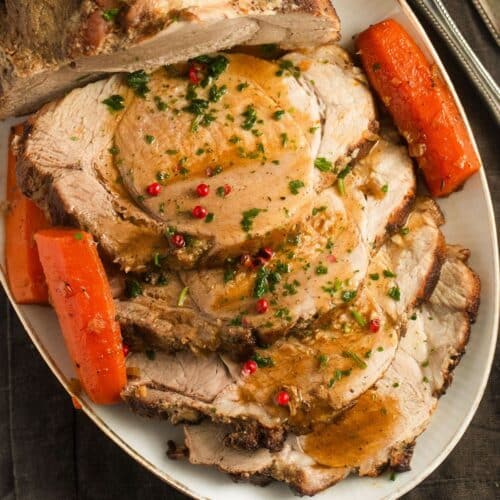
Credit: whereismyspoon.co
Serving Suggestions
Cook pork tenderloin in a Dutch oven for 25-30 minutes at 375°F. Pair it with roasted vegetables or a fresh salad for a complete meal. Adding herbs and spices enhances the flavor, making it a delightful dish for any occasion.
Accompaniments And Sides
Pair pork tenderloin with fluffy mashed potatoes for a classic meal. Add some roasted veggies like carrots and green beans. A side salad adds freshness and crunch. Try serving with apple sauce for a sweet touch. Rice or quinoa can be good too. Bread rolls are great for soaking up juices.
Presentation Tips
Slice the pork tenderloin neatly to show off its juicy inside. Arrange slices on a platter for a nice look. Garnish with fresh herbs like parsley or thyme. Add color with bright veggies on the side. Use a large spoon to drizzle sauce over the meat. Make sure everything is warm before serving. A simple plate can make the meal feel fancy.

Credit: kelvinskitchen.com
Frequently Asked Questions
What Temperature To Cook Pork Tenderloin In A Dutch Oven?
Cook pork tenderloin in a Dutch oven at 375°F (190°C). Ensure the internal temperature reaches 145°F (63°C). Use a meat thermometer for accuracy.
How Long Does It Take To Cook A Pork Tenderloin In The Oven At 350 Degrees?
Cook pork tenderloin in the oven at 350°F for 25 to 35 minutes. Use a meat thermometer. The internal temperature should reach 145°F for safety. Let it rest for 5 minutes before slicing. Adjust cooking time based on tenderloin thickness.
Always ensure thorough cooking for best flavor and safety.
Is It Better To Cook A Pork Loin At 350 Or 400?
Cooking a pork loin at 350°F ensures even cooking and juiciness. At 400°F, it cooks faster but risks dryness. Choose 350°F for tenderness and flavor. Use a meat thermometer to reach 145°F internal temperature for safety. Rest the meat before slicing for the best results.
What Is The Cooking Time For A Pork Tenderloin?
Cook pork tenderloin at 375°F (190°C) for 25 to 30 minutes. Ensure the internal temperature reaches 145°F (63°C). Rest for 5 minutes before slicing. Adjust cooking time based on thickness and oven type. Always use a meat thermometer for accuracy.
Conclusion
Cooking pork tenderloin in a Dutch oven is simple. Follow the steps for best results. Season your meat well before cooking. Sear it for a flavorful crust. Reduce heat and cover for tender meat. Check doneness with a meat thermometer.
Rest the meat before slicing. This keeps juices inside. Enjoy your meal with family and friends. Dutch oven cooking offers rich flavors. It creates a cozy kitchen atmosphere. Perfect for a home-cooked meal. The key is patience and practice. Soon, you’ll have delicious pork tenderloin every time.
Happy cooking!