
When you’re investing in stainless steel cookware, you’re not just buying pots and pans—you’re making a commitment to your kitchen’s future. You might wonder how long these shiny kitchen staples can last before they need replacing.
Are they built to withstand the test of time, or will you find yourself searching for new cookware sooner than expected? The lifespan of stainless steel cookware can have a significant impact on your cooking experience and your wallet. We’ll explore the factors that contribute to the durability of stainless steel cookware, revealing secrets that can help you prolong its life.
Stay with us to uncover tips that can keep your kitchen essentials shining and cooking perfectly for years to come.
Factors Affecting Longevity
Stainless steel comes in different grades. High-grade steel lasts longer. Low-grade steel may rust or warp. Look for 18/10 or 304 stainless steel. These are known for durability. Choose wisely to ensure longer lifespan.
Quality manufacturing means a longer life. Good cookware has even layers. Properly bonded layers prevent damage. Poorly made cookware may have weak spots. Strong bonds and smooth finishes are important. Choose cookware made with care.
How you use cookware affects its life. Avoid using high heat often. High heat can warp pans. Stirring with metal tools can scratch surfaces. Use wooden or silicone tools instead. Gentle use helps cookware last.
Regular cleaning extends cookware life. Wash with mild soap and water. Avoid harsh scrubbing pads. These can scratch the surface. Dry pans completely to prevent rust. Store them properly to avoid dents. Good care keeps cookware lasting longer.

Credit: prudentreviews.com
Benefits Of Stainless Steel Cookware
Stainless steel cookwaredoes not rust easily. Water and air do not harm it. It lasts for many years. It stays shiny and smooth. It’s great for everyday cooking.
Heat spreads evenly across the pan. No hot spots or cold spots. Food cooks well and tastes better. This makes cooking faster and easier. Even heatis key for good meals.
Food does not stick to stainless steel. It does not react with acidic foods. No bad flavors or colors change. Your meals stay tasty and fresh. It’s safe for all types of dishes.
Signs Of Wear And Tear
Stainless steel can show surface discolorationover time. It may appear as rainbow colors or dark spots. These marks happen from heat exposure or food stains. Regular cleaning can help minimize these effects. Use gentle cleansers to keep the cookware shiny. Avoid harsh chemicals that worsen discoloration.
Cookware might experience warping and bending. This occurs if exposed to high heat or sudden temperature changes. Warped pans don’t sit flat on the stove. Uneven heat distribution affects cooking results. Regular checks can prevent serious damage. Look for signs of uneven surfaces.
Loose handlesor lids can be dangerous. They occur from frequent use or poor maintenance. Tightening screws can fix loose parts. Regular checks ensure safe cooking. Broken handles risk burns or spills. Always handle with care.
Care Tips For Extended Use
Clean stainless steel cookware with warm, soapy water. Use a soft sponge or cloth. Avoid harsh chemicals for best results. Dry cookware with a towel to prevent spots. Rinse thoroughly to remove soap residue. This keeps your pots shiny and clean.
Do not use steel wool or rough scrubbers. These can scratch surfaces. Scratches make cookware look old. Use gentle cleaners only. Baking soda can help remove stubborn spots. It’s safe for stainless steel.
Store pots and pans in a cool, dry place. Avoid stacking them directly. Use a soft cloth between each item. This prevents scratches. Hang pots on hooks if possible. Organize cookware neatly to keep them safe.
Comparing Stainless Steel To Other Materials
Stainless steel cookware stands out for its durability, often lasting decades with proper care. Its resistance to rust and corrosion offers a significant advantage over other materials. Regular cleaning and maintenance can extend its lifespan, making it a reliable choice for long-term kitchen use.
Aluminum Cookware
Aluminum cookware is light and heats up fast. Stainless steel is heavier and more solid. Aluminum can scratch easily. Stainless steel stays shiny for years. Aluminum costs less than stainless steel. Some chefs prefer stainless steel for its durability. Stainless steel does not react with food. Aluminum can react with acidic foods.
Cast Iron Options
Cast iron is very strong. Stainless steel does not rust like cast iron. Cast iron needs oil for cooking. Stainless steel is easy to clean. Cast iron holds heat for a long time. Stainless steel heats evenly. Some people love cast iron for its rustic look. Stainless steel is sleek and modern.
Copper Pots And Pans
Copper pots heat quickly. Stainless steel is less reactive to food. Copper needs polishing. Stainless steel stays shiny without polishing. Copper is more expensive. Stainless steel is affordable for most families. Chefs love copper for precision cooking. Stainless steel is strong and reliable.

Credit: xtrema.com
When To Replace Cookware
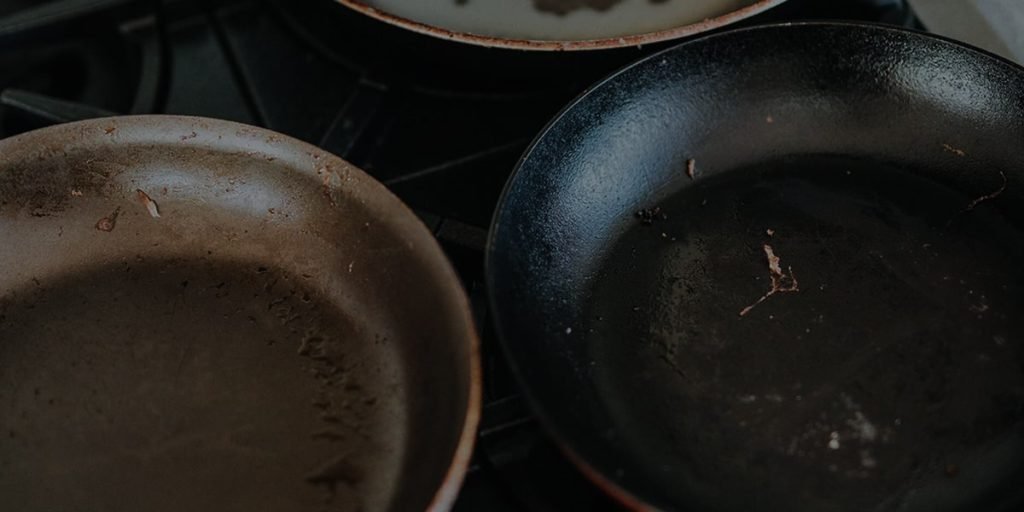
Old cookware can have damaged surfaces. This can be unsafe. Scratches and dents may cause food to stick. They can also lead to bacteria growth. Loose handles may cause accidents. If a pot wobbles, replace it. Safe cooking is important. Always check your cookware.
Stainless steel may lose its shine. It might heat unevenly. Burnt spots can appear. Food may cook slower. This affects cooking results. If your cookware performs poorly, it’s time to change it. Good performance means better meals.
Old cookware can look dull and scratched. It may not match your kitchen style. Beautiful cookware makes cooking fun. If your pots look bad, consider new ones. Keep your kitchen looking nice. A fresh set can brighten your space.

Credit: prudentreviews.com
Frequently Asked Questions
How Often Should You Replace Your Stainless Steel Pans?
Replace stainless steel pans every 5-10 years, depending on usage and condition. Regular inspection ensures optimal performance. Proper care extends their lifespan. Consider replacing if warping or rust occurs. Investing in high-quality pans may prolong usage.
When Should I Throw Away My Stainless Steel Pan?
Replace your stainless steel pan if it’s warped, has deep scratches, or food sticks despite thorough cleaning. Check for discoloration or rust as signs of needing replacement. A damaged pan can affect cooking performance and safety, so it’s best to invest in a new one for optimal results.
What’s The Downside Of Stainless Steel Cookware?
Stainless steel cookware can be expensive and less heat-conductive, leading to uneven cooking. It may require more oil to prevent sticking and is prone to discoloration over time. Cleaning stubborn food residues can be challenging, sometimes requiring extra effort or specialized cleaners.
Can Stainless Steel Cookware Go Bad?
Stainless steel cookware doesn’t go bad easily. It resists rust, corrosion, and staining. Proper care ensures long-lasting durability. Avoid using harsh chemicals or abrasive materials to prevent damage. Regular cleaning and maintenance keep it in excellent condition. With proper use, stainless steel cookware remains safe and effective for years.
Conclusion
Stainless steel cookware lasts for many years with proper care. It’s durable. Resists rust and stains. Offers great value for money. Regular cleaning and maintenance extend its lifespan. Use gentle cleaning methods. Avoid harsh chemicals. Store properly to prevent scratches.
Choose quality brands for longer-lasting cookware. Ideal for daily cooking needs. Suitable for various cooking styles. Enjoy reliable performance with stainless steel pots and pans. Invest wisely for your kitchen. Stainless steel remains a popular choice. A trusted companion for home cooks.
Enhance your culinary experience with this versatile material.