

Have you ever wondered just how long your cookware should last before it’s time for a replacement? You’re not alone.
Choosing the right pots and pans isn’t just about the brand or the material; it’s also about understanding their lifespan. When you invest in quality cookware, you want to be sure you’re getting your money’s worth. Imagine cooking your favorite meal, knowing that every sizzle and stir is supported by durable and reliable kitchenware.
This isn’t just about cooking; it’s about creating lasting memories with tools that won’t let you down. Dive into this article, and discover how to extend the life of your cookware, ensuring every meal is a masterpiece. Uncover the secrets to making your kitchen investments last longer and perform better. Are you ready to transform your cooking experience? Let’s explore how long cookware really lasts.
Factors Influencing Cookware Longevity
Cookware materials matter a lot. Stainless steel lasts longer. Cast iron is very strong and durable. Non-stick pans wear out faster. Aluminum is lightweight but scratches easily. Choose wisely for long use.
Daily use wears cookware out quicker. Weekly use extends life. Occasional use keeps cookware nice for years. Heavy usage shortens lifespan. Light usage preserves quality longer.
Proper care is important. Hand wash for longer life. Avoid metal utensils. Season cast iron often. Do not overheat pans. Store properly to avoid scratches. Regular cleaning keeps cookware looking new.
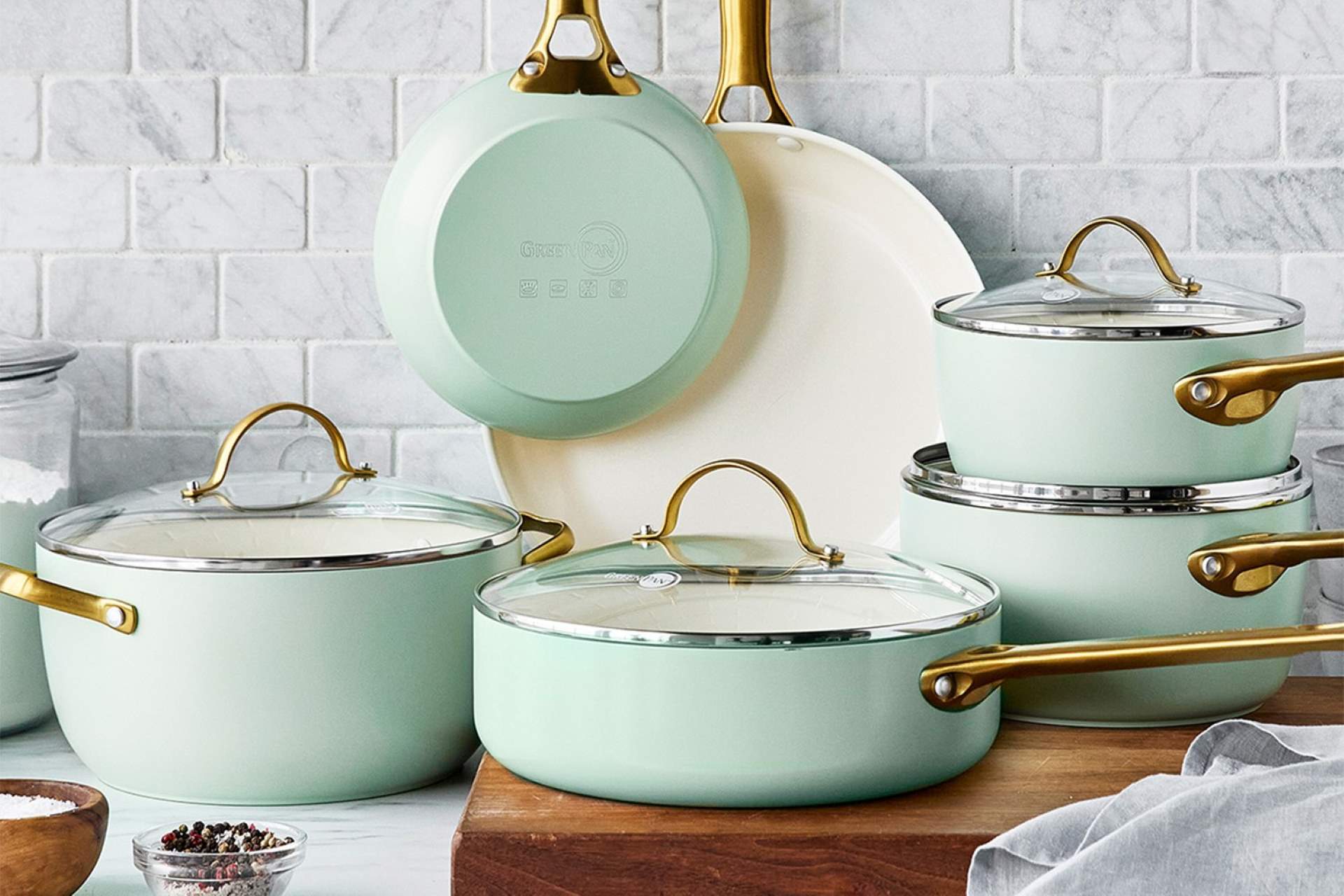
Credit: learn.surlatable.com
Different Types Of Cookware
Non-stick pans are popular in many kitchens. These pans have a special coating. Food doesn’t stick to the surface. This makes cooking easier. Cleaning is simple too. Non-stick pans last around 1 to 5 years. Use them with care. Avoid metal utensils. They can scratch the surface.
Stainless steel cookware is strong and durable. Resistant to rust and stains. Many people love it. This cookware can last many years. Sometimes, up to a lifetime. It needs proper care. Use gentle soap. Avoid harsh scrubbers. They can damage the surface.
Cast iron skillets are heavy and sturdy. They last a long time. Some people keep them for generations. These skillets need seasoning. Seasoning protects the surface. It helps with cooking too. Clean them carefully. Dry them well. Avoid water soaking.
Copper pots and pans are shiny and attractive. They heat quickly. Copper cookware needs care. It can last a lifetime. Proper cleaning is important. Polish them often. Avoid acidic foods. They can tarnish copper.
Ceramic cookware is colorful and modern. This cookware is eco-friendly. It lasts 1 to 5 years. Use low heat. High heat can damage it. Hand wash carefully. Avoid rough sponges. They can scratch the surface.
Signs It’s Time To Replace Cookware
Scratcheson the cookware can ruin cooking. Food may stick. Cleaning gets hard. Deep scratches might cause health risks. Cooking surfaces need to be smooth. Otherwise, you might burn food easily. Damaged surfaces mean it’s time for new cookware.
Cookware should stay in shape. Warpingcauses uneven cooking. It can be dangerous. Dentsmake pots and pans unstable. They might tip over. This can lead to spills. Warped and dented cookware needs replacing.
Cookware should look clean. Stainscan be unhygienic. Discoloration might affect food taste. It’s not pleasant to see. Cookware must be free from stains. If it’s not, consider getting new ones.
Extending The Life Of Your Cookware
Clean cookware with mild soap and water. Avoid harsh chemicals. Dry thoroughly after washing. This prevents rust and stains. Use soft sponges to scrub. Hard brushes can scratch surfaces. For burnt food, soak in warm water first. Do not use metal scrubbers. They damage non-stick coatings.
Store cookware in a dry place. Moisture can cause damage. Use racks to keep pans separate. This avoids scratches. Hang pots if possible. It saves space and prevents stacking damage. Keep lids nearby for easy access. Label shelves for quick finding.
Do not overheat pans. High heat can warp them. Always use the right size burner. This distributes heat evenly. Avoid using metal utensils on non-stick pans. They scratch and ruin surfaces. Never put cold water in hot pans. This can cause them to crack.
Expert Tips For Choosing Long-lasting Cookware
Choosing cookware involves balancing qualityand price. High-quality cookware often lasts longer. It might be more expensive, but it can save money over time. Cheap cookware may seem like a good deal. But it can wear out quickly. Investing in good cookware is smart. It means fewer replacements and better cooking.
Some brands are known for durability. Trustworthy brands often use better materials. They also offer warranties for peace of mind. Popular brands include Tefal, Cuisinart, and Le Creuset. These brands have a good reputation. They focus on making long-lasting products. Choosing known brands can be a safe choice.
Several features affect cookware lifespan. Look for materiallike stainless steel or cast iron. These materials resist wear and tear. Non-stick coatings should be high-quality. Ensure handles are firmly attached. Check for solid construction. Good cookware should feel heavy and sturdy. Consider these features for lasting cookware.
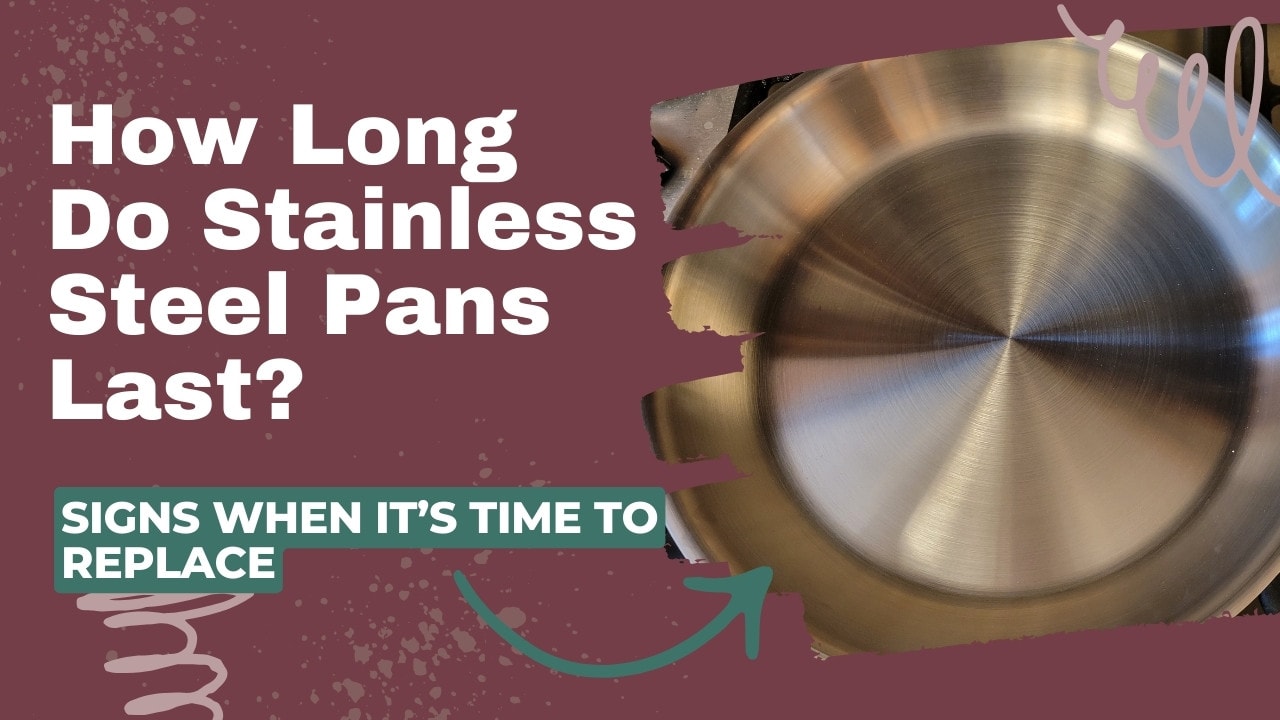
Credit: theskillfulcook.com
Environmental And Health Considerations
Cookware lifespan affects both health and the environment. Damaged coatings can leach harmful chemicals into food. Durable materials like stainless steel or cast iron are safer and last longer, reducing waste. Consider these factors when choosing cookware for a healthier lifestyle.
Non-toxic Coatings
Choosing non-toxic cookware is important for health. Some cookware has harmful coatings. These can release toxic chemicals when heated. Look for cookware with ceramic or stainless steel surfaces. These are safe and do not release toxins. Cast iron is another good choice. It adds iron to your food, which is healthy. Always check labels for safety certifications. This ensures your cookware is truly non-toxic.
Eco-friendly Options
Eco-friendly cookware helps the planet. It uses less energy to make. Recycled materials are often used. Bamboo handles are a good example. They are sustainable and grow fast. Biodegradable packaging is another plus. It breaks down easily and doesn’t harm nature. Always look for the eco-friendly label. It shows the product is kind to the earth.

Credit: www.debuyer-usa.com
Frequently Asked Questions
How Often Are You Supposed To Replace Your Pans?
Replace pans every 3-5 years or when they show signs of damage. Non-stick pans should be replaced more frequently. Check for scratches, warping, or peeling coatings. Quality pans may last longer with proper care. Regularly assess pan condition to ensure safe and efficient cooking.
When Should You Throw Away Pans?
Replace pans when they show significant warping, rust, or non-stick coating damage. Dispose if food sticks persistently. Scratches or discoloration can indicate material degradation. Regularly check for loose handles or dents affecting cooking safety. Ensure your pans remain in top condition for optimal cooking results.
How Often Should I Replace Pots?
Replace pots every few years or when they show wear, damage, or root-bound plants. Check for cracks, discoloration, or poor drainage. Consider plant growth and pot size, ensuring plants have enough space. Regular inspection helps maintain healthy plants and aesthetic appeal, contributing to vibrant gardening success.
How Many Years Do Non-stick Pans Last?
Non-stick pans typically last 3 to 5 years with proper care. Avoid metal utensils to prevent scratches. Regularly clean with mild soap and avoid high heat to extend their lifespan. Consider replacing once the coating begins to peel or food starts sticking consistently.
Proper maintenance is key for durability.
Conclusion
Cookware lifespan varies by material and usage. Quality pots last longer. Regular maintenance can extend their life. Nonstick pans wear faster with frequent use. Stainless steel and cast iron endure years. Replace damaged or worn-out pieces promptly. Consider your cooking habits when buying new cookware.
Investing in durable options saves money over time. Simple care tips preserve their condition. Choose wisely based on your kitchen needs. Always check for signs of wear. Cooking with the right tools improves your culinary experience. Making informed choices ensures cookware lasts for years.
Keep your kitchen equipped with reliable essentials.