
If you want the perfect cup of pour over coffee, getting the grind size just right is key. Too coarse, and your coffee will taste weak and sour.
Too fine, and it might turn bitter or over-extracted. So, how fine should you grind your beans to unlock the best flavors? You’ll discover exactly how grind size affects your pour over brew and simple tips to find the ideal texture.
Keep reading, and you’ll soon enjoy a richer, smoother cup every time you brew.
Grind Size Basics
The grind sizeaffects how water flows through coffee grounds. It controls the extraction speedand flavor. Coarse grinds let water pass quickly. Fine grinds slow the water down.
Coarse grounds produce a lighter taste. Fine grounds create a stronger, bitter taste. Too coarse means under-extraction, with weak flavors. Too fine means over-extraction, with bitterness.
| Grind Size | Water Flow | Flavor Impact |
|---|---|---|
| Coarse | Fast | Weak, sour |
| Medium | Moderate | Balanced, smooth |
| Fine | Slow | Strong, bitter |
- Use medium to medium-fine for pour over.
- Affects how much flavor is extracted.
- Helps avoid weak or bitter coffee.
Optimal Grind For Pour Over
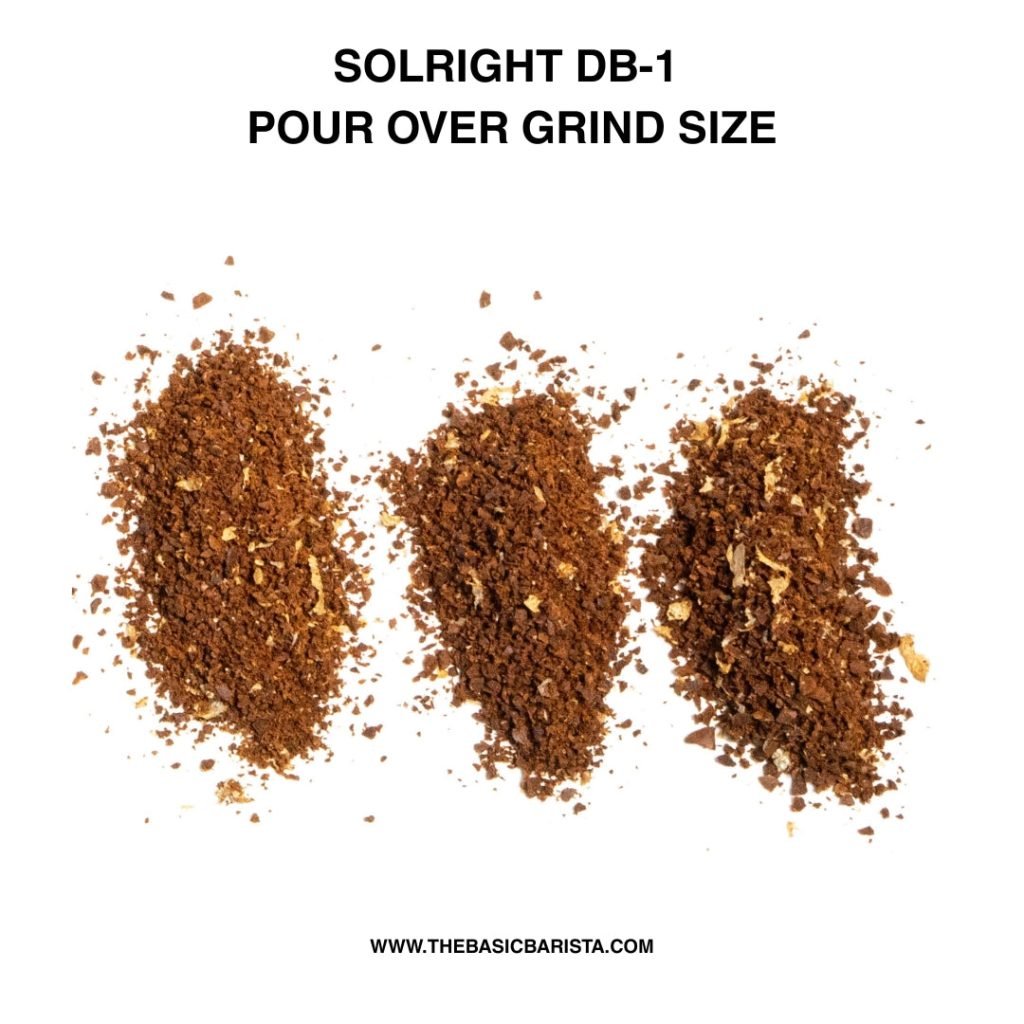
The optimal grindfor pour over coffee is generally medium to medium-fine. This texture looks like sand and allows water to flow just right. Too coarse, and the coffee will taste weak. Too fine, and it may become bitter or over-extracted.
Recommended Grind Texture
- Medium-fine grind for most pour over brewers
- Should feel similar to table salt
- Consistent particle size helps even extraction
Adjusting For Coffee Type
Dark roasted beans usually need a coarser grind. Light roasts work better with a finer grind. Adjust grind size based on roast to balance flavor and strength.
Balancing Extraction And Brew Time
Finer grinds increase extraction but slow down brewing. Coarser grinds speed up brew but reduce extraction. Aim for a brew time of about 3-4 minutes for perfect balance.
Choosing The Right Grinder
Choosing the right grinder affects the grind size needed for pour over coffee. A medium-fine grind works best to balance flavor and extraction time. Consistent grind size helps create a smooth, tasty cup every time.
Blade Vs. Burr Grinders
Blade grinders chop beans unevenly. This leads to inconsistent coffee taste. Burr grinders crush beans between two plates. This offers a uniform grind size. Burr grinders are best for pour over coffee. They give more control over grind size.
Consistency And Control
Consistent grind size helps in better coffee extraction. Burr grinders allow precise adjustments. You can make your coffee stronger or lighter. Blade grinders do not offer such control. For pour over, grind size matters a lot.
Budget Considerations
| Type of Grinder | Price Range | Best For |
|---|---|---|
| Blade Grinder | Low ($10 – $30) | Budget users, quick grinding |
| Burr Grinder | Medium to High ($50 – $300+) | Consistent grind, pour over coffee |

Credit: truegrindcoffee.com
Grinding Tips For Pour Over
Grinding coffee just before brewingkeeps beans fresh. It helps keep the aroma and flavorstrong. Ground coffee loses taste fast. So, grind only what you need.
Measuring grind sizeis key. For pour over, a medium-fine grindworks best. Too coarse can make coffee weak. Too fine can cause over-extraction and bitterness.
- Use a burr grinder for consistent grind size.
- Adjust grind size based on coffee flow speed.
- Test and change grind size a little at a time.
Avoid overheating beans. Heat can damage coffee flavor. Use a grinder that does not heat up fast. Grind in short bursts if needed. Keep beans cool for the best taste.
Troubleshooting Grind Issues
Too Fine:Coffee grounds that are too fine can cause over-extraction. This often results in a bitteror burnt taste. The water takes too long to pass through, pulling out unwanted flavors. The brew might also be thickor muddy. Look for signs like a slow drip or sticky grounds.
Too Coarse:Coarse grounds lead to under-extraction. The coffee tastes weak, sour, or watery. Water flows too fast, missing important flavors. The brew appears light-coloredand thin. If the coffee feels thin or lacks richness, the grind is likely too coarse.
- Adjust grind size gradually to find balance.
- Smooth, balanced taste means correct grind.
- Experiment with small changes for better flavor.
- Use a consistent grind for repeatable results.
- Pay attention to drip speed and taste.

Credit: almacafe.be

Credit: www.reddit.com
Frequently Asked Questions
What Grind Size Is Best For Pour Over Coffee?
A medium-fine grind is ideal for pour over coffee. It allows balanced extraction and optimal flavor. Too fine causes bitterness; too coarse results in weak coffee.
How Does Grind Size Affect Pour Over Taste?
Grind size controls extraction speed and flavor. Finer grinds extract more quickly, yielding stronger coffee. Coarser grinds extract slower, producing lighter taste. Proper grind ensures balanced, clean flavor.
Can I Use Pre-ground Coffee For Pour Over?
Pre-ground coffee can work but may lose freshness. Grinding fresh just before brewing ensures better aroma and flavor. Use medium-fine grind for best pour over results.
Why Is Consistency Important In Pour Over Grind?
Consistent grind size ensures even extraction and balanced taste. Inconsistent particles cause over or under-extraction, leading to bitterness or sourness. Use a burr grinder for uniform grind size.
Conclusion
Choosing the right grind size matters a lot for pour over coffee. A medium to medium-fine grind gives the best flavor and balance. Too coarse means weak coffee, too fine causes bitterness. Experiment with grind size to find what tastes best to you.
Small changes can make a big difference in your cup. Enjoy the process and the fresh, tasty coffee you create. Keep practicing, and your pour over will improve every time.