
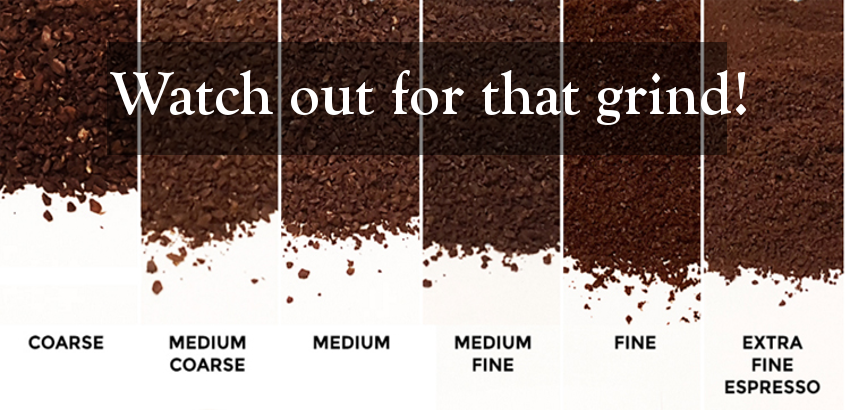
If you want the perfect espresso, how you grind your coffee beans is everything. Too coarse, and your espresso will taste weak and watery.
Too fine, and it can turn bitter or clog your machine. Finding the right grind size is the secret that will unlock rich flavor, smooth crema, and that satisfying kick you crave. You’ll discover exactly how fine to grind espresso beans to get the best shot every time.
Keep reading, because mastering this simple step will change the way you enjoy your coffee forever.
Credit: rmckeon.medium.com
Espresso Grind Basics
Grind sizeaffects how water passes through coffee grounds. Fine grinds slow water down, creating stronger espresso. Coarser grinds let water flow faster, making espresso weaker.
Extraction means pulling flavors from coffee. Too fine a grind can cause over-extraction, making espresso bitter. Too coarse a grind leads to under-extraction, which tastes souror weak.
| Grind Size | Description | Effect on Espresso |
|---|---|---|
| Fine | Looks like powdered sugar | Rich, intense flavor but slow extraction |
| Medium-Fine | Finer than sand but not powder | Balanced taste and good extraction |
| Coarse | Like sea salt grains | Fast extraction, weaker flavor |

Credit: thebasicbarista.com
Choosing The Right Grinder
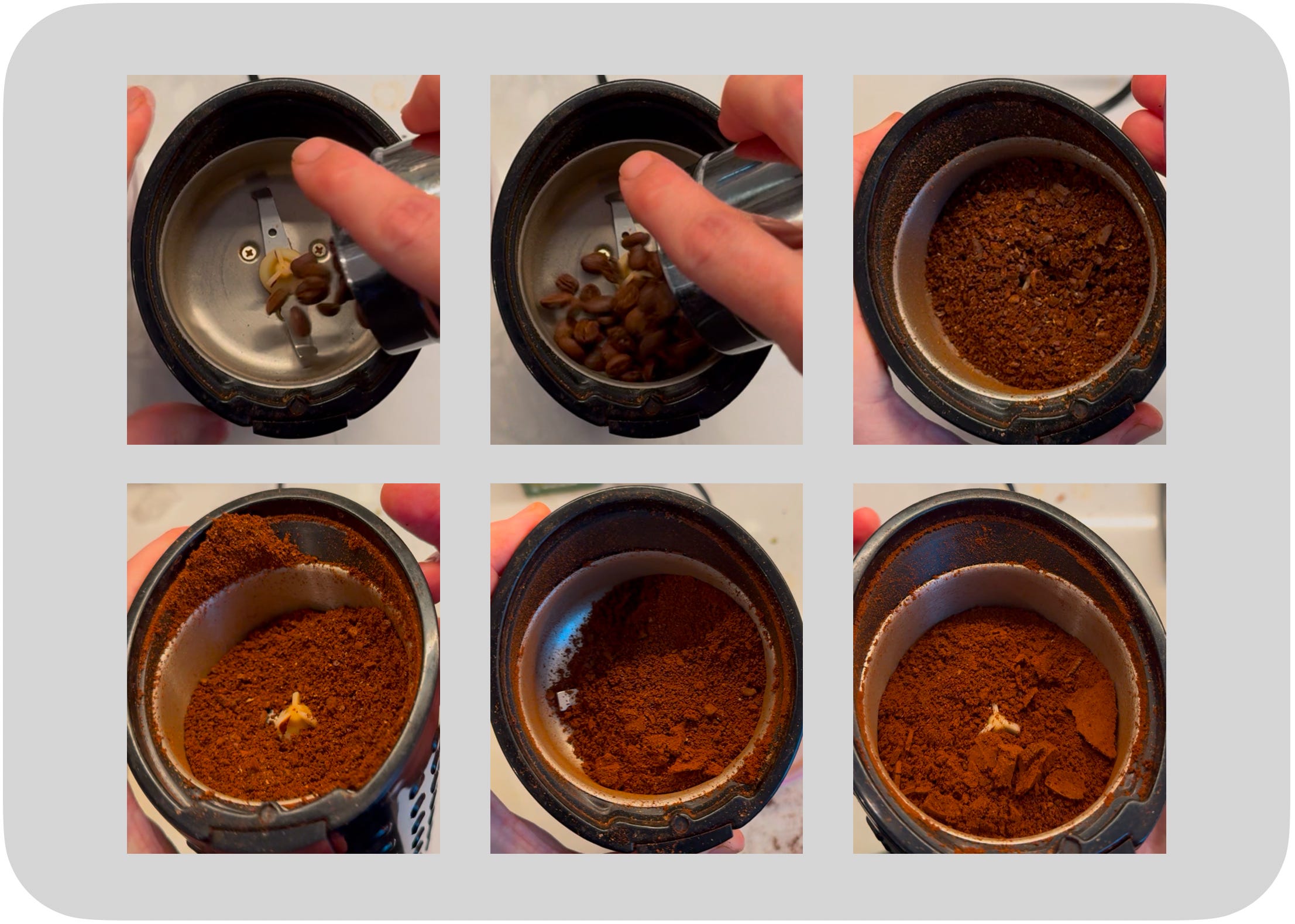
Burr grinderscrush coffee beans between two abrasive surfaces. This gives a consistent grind size, which is key for espresso. Blade grinderschop beans unevenly with a spinning blade. This can cause uneven extractionand bitter taste.
Grinder consistency affects the espresso quality a lot. Fine, even groundshelp water flow properly and extract rich flavors. Coarse or mixed grounds can lead to weak or bitter espresso.
| Maintenance Tips | Details |
|---|---|
| Clean Regularly | Remove old coffee oils to keep flavor fresh. |
| Check Burrs | Replace worn burrs for consistent grind size. |
| Avoid Moisture | Keep grinder dry to prevent clumping and rust. |
Adjusting Grind For Taste
Adjusting the grind size is key to a good espresso taste. Too coarse a grind can cause under-extraction. This means the water passes through too fast. The espresso tastes weak, sour, and watery. You may see a pale crema and fast dripping.
On the other hand, a grind too fine leads to over-extraction. Water moves too slowly, pulling bitter flavors. The espresso becomes bitter, harsh, and dry. Extraction time is longer, and the shot drips very slowly or not at all.
Finding the sweet spotmeans balancing these two. The shot should drip steadily, with a rich, creamy crema. Taste should be balanced, smooth, and flavorful. Adjust grind size little by little to reach this point.
Grind Settings And Equipment
Grind settingschange based on the espresso machine type. Each machine needs a different grind size for best results. For example, a pressurized portafilter can use a coarser grind, while a non-pressurized one needs a finer grind.
Using scaleshelps measure the coffee dose accurately. Timers ensure the shot pulls for the right time, usually between 25-30 seconds. This balance affects the espresso’s taste.
Adjust grind size for the bean typeand roast. Dark roasts often need a coarser grind. Light roasts require a finer grind to extract flavor properly. Always test and adjust slightly for the best cup.
Practical Tips For Consistency
Measuring the dose accurately is key for a good espresso shot. Use a scale to weigh the coffee grounds. Aim for a consistent weight every time. This helps keep the taste steady and avoids weak or bitter coffee. Small changes in dose affect the flavor a lot.
Tamping pressure should be firm but even. Press down with about 30 pounds of force. Use a tamper that fits your portafilter. Keep the coffee level and smooth before tamping. This creates the right resistance for water flow.
Cleaning your grinder and espresso machine regularly improves the taste. Old coffee oils and grounds cause bad flavors. Wipe the grinder burrs and the portafilter daily. Deep clean weekly to keep parts working well. Fresh equipment means fresh espresso.

Credit: urbanocoffeecompany.com
Frequently Asked Questions
What Grind Size Is Best For Espresso Machines?
Espresso machines require a fine grind size to extract rich flavors. The grind should be finer than drip but coarser than powder. Proper grind size ensures optimal pressure and extraction time, resulting in a balanced and flavorful shot of espresso.
How Does Grind Size Affect Espresso Taste?
Grind size controls extraction speed and flavor balance. Too fine causes over-extraction, making espresso bitter. Too coarse causes under-extraction, making it sour or weak. Adjust grind size to achieve a smooth, rich, and well-balanced espresso shot.
Can I Use Pre-ground Coffee For Espresso?
Pre-ground coffee is not ideal for espresso due to inconsistent grind size. Freshly ground coffee ensures better flavor and crema. For best results, grind coffee just before brewing with a burr grinder set to fine.
How To Adjust Grind Size For Espresso Shot Time?
If espresso shot pulls too fast, grind finer to slow extraction. If shot is too slow or bitter, grind coarser to speed it up. Adjusting grind size helps achieve a 25-30 second extraction time for perfect espresso.
Conclusion
Finding the right grind size for espresso is crucial. It affects flavor, aroma, and crema. Too coarse, and your shot will be weak. Too fine, and it might taste bitter. Experiment with different grind sizes. Adjust based on your taste preference.
Use your espresso machine’s features. They can help you find the perfect grind. Remember, practice makes perfect. Each coffee bean is unique. So, keep trying until you find what you love. Enjoy your espresso journey. Happy brewing!