
If you want to brew the perfect cup of pour-over coffee, the grind size of your coffee beans is one of the most important factors to get right. Too coarse, and your coffee will taste weak and watery.
Too fine, and it could turn bitter or over-extracted. But what exactly does “fine to grind” mean for pour-over coffee, and how can you find the ideal texture for your brew? You’ll discover clear, simple tips to help you grind your coffee just right.
By the end, you’ll know how to unlock richer flavors and enjoy a smoother, more balanced cup every time. Keep reading to master your pour-over grind and take your coffee game to the next level.

Credit: www.reddit.com
Grind Size Basics
Grind sizeaffects how water flows through coffee grounds. Coarse grinds have bigger pieces, while fine grinds are powdery. Pour over coffee works best with a medium-fine grind. This size lets water flow slowly, making a balanced cup.
Too coarse a grind causes weak coffee. Water passes too fast and extracts less flavor. Too fine a grind makes coffee bitter. Water stays too long and extracts too much.
| Grind Size | Effect on Pour Over |
|---|---|
| Coarse | Water flows quickly; coffee tastes weak |
| Medium-Fine | Best balance; smooth and flavorful coffee |
| Fine | Water flows slowly; coffee can be bitter |
Ideal Grind For Pour Over
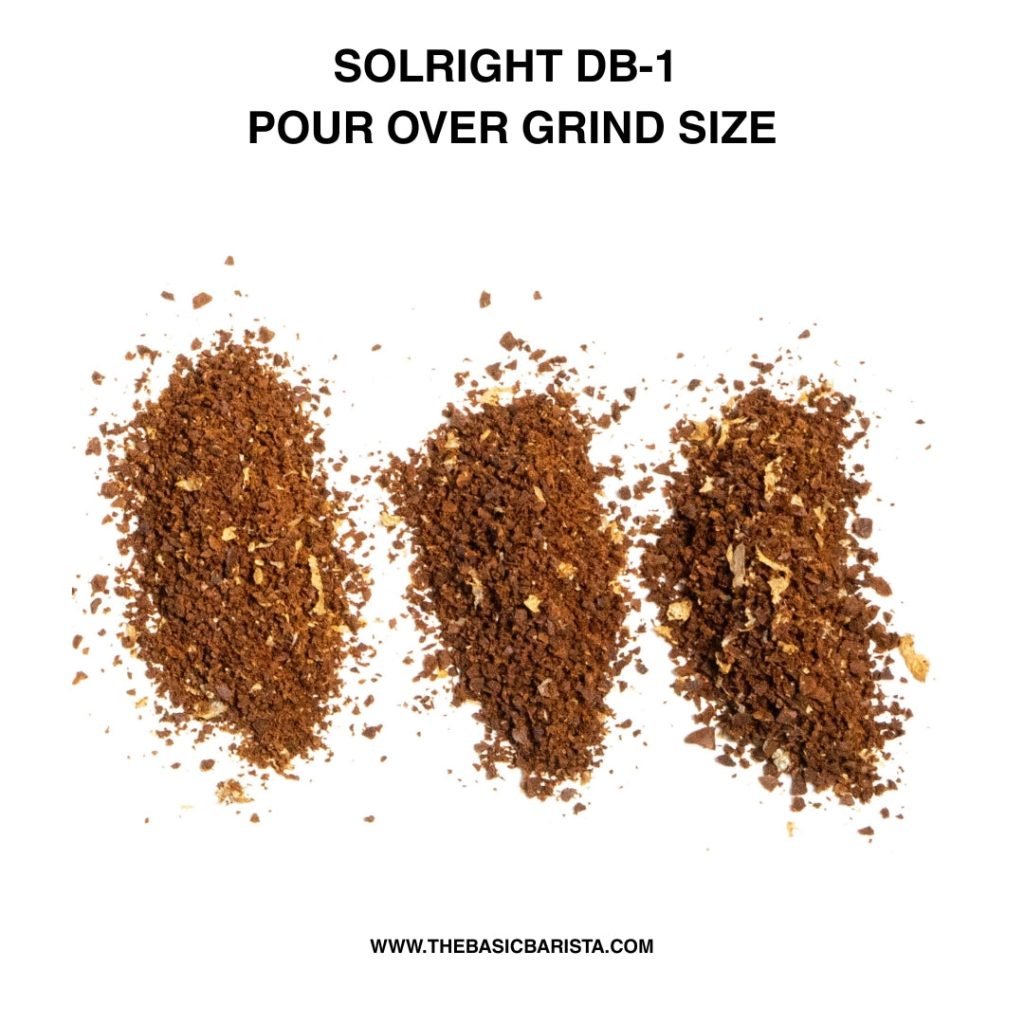
The ideal grind for pour over is medium-fine. This means the coffee particles are smaller than sand but not as fine as espresso grind. This size allows water to flow at the right speed, extracting good flavor without bitterness.
Consistency is key. Uniform particle size ensures even extraction. Uneven grind can cause over-extraction or under-extraction, making the coffee taste sour or bitter.
| Grind Size | Description | Effect on Brew |
|---|---|---|
| Coarse | Large, chunky particles | Water flows too fast, weak taste |
| Medium-Fine | Small, sand-like particles | Balanced flow, rich flavor |
| Fine | Powdery particles | Water flows slowly, bitter taste |
Effects Of Grind Size On Flavor
Grind sizegreatly affects the taste of pour over coffee. Too fine a grind can cause over-extraction. This means the water pulls out too many bitter flavors. The coffee may taste harsh or burnt. The brewing time also gets longer because water moves slowly through fine grounds.
On the other hand, a grind that is too coarse leads to under-extraction. This happens when water passes quickly without pulling enough flavor. The coffee may taste weak, sour, or watery. Important oils and sugars are left behind in the grounds.
Balance is key. Adjust grind size to control how fast water flows through coffee. A medium-fine grind is usually best for pour over. It allows even extraction and balanced flavors.
Adjusting Grind For Different Beans
Different coffee beans need different grind sizes to bring out their best flavors. Adjust the grind finer for lighter beans and coarser for darker ones. This balance helps the water extract the right taste during pour over brewing.
Light Roast Considerations
Light roast coffeeis denser and harder than dark roast. Use a slightly finer grindto help extract more flavor. This allows water to flow slower and pick up the delicate notes. Avoid grinding too fine; this may cause bitterness. Aim for a texture like table salt. Adjust grind size if brew tastes sour or weak.
Dark Roast Adjustments
Dark roast coffeeis softer and more brittle. Use a coarser grindto prevent over-extraction and bitterness. A texture similar to coarse sandworks well. Coarser grounds let water flow faster and reduce harsh flavors. If brew tastes bitter or burnt, try a coarser grind.
Grinder Types And Their Impact
Burr grinderscrush beans between two abrasive surfaces. This gives a consistent grind size. Consistency is key for a good pour over. Burr grinders come in manualand electricforms. Manual burr grinders need more effort but cost less. Electric burr grinders are faster and easier to use.
Blade grinderschop beans unevenly. This makes grind size vary a lot. Uneven grounds can cause over-extraction or under-extraction, affecting taste. Blade grinders are usually electric and cheaper but less precise.
| Grinder Type | Manual | Electric |
|---|---|---|
| Burr Grinder | More control, slower, needs effort | Fast, consistent, easy to use |
| Blade Grinder | Rare, uneven grind, slow | Cheap, fast, uneven grind |

Credit: www.reddit.com
Tips For Achieving Perfect Grind
Testing and tastinghelp find the right grind size for pour over coffee. Start with a medium grind and brew a cup. Taste it to check if it is too bitter or weak. Adjust the grind finer if the coffee tastes sour or weak. Make it coarser if the coffee tastes bitter or harsh. Repeat this until the flavor is balanced and smooth.
Calibrating your grinderkeeps grind size consistent. Clean the grinder regularly to avoid old coffee oils mixing with fresh grounds. Use a small amount of beans to test the grind size before brewing. Note the settings that work best for pour over. Mark these settings on your grinder for quick use next time.

Credit: thebasicbarista.com
Frequently Asked Questions
What Grind Size Is Best For Pour Over?
For pour over coffee, a medium-coarse grind is ideal. This grind size resembles coarse sand. It allows water to flow through at the right pace, ensuring balanced extraction. Too fine a grind may cause over-extraction, while too coarse may lead to under-extraction.
Adjust based on taste preference.
How Does Grind Size Affect Pour Over Taste?
Grind size significantly impacts the flavor of pour over coffee. A finer grind can result in a bitter taste due to over-extraction. Conversely, a coarser grind might cause a weak, under-extracted brew. The right grind size balances sweetness, acidity, and body.
Experiment to find your preferred flavor profile.
Can I Use Pre-ground Coffee For Pour Over?
Yes, you can use pre-ground coffee for pour over. However, freshly ground coffee delivers better flavor and aroma. Pre-ground coffee might not be the ideal grind size for your method. If you choose pre-ground, ensure it’s a medium-coarse grind for optimal extraction and taste.
Why Is A Burr Grinder Recommended For Pour Over?
A burr grinder is recommended for its consistency and precision. It provides uniform grind sizes, crucial for even extraction. Blade grinders produce uneven particles, affecting the brew’s quality. With a burr grinder, you can easily adjust the grind size to suit your pour over method and taste preference.
Conclusion
Choosing the right grind size matters for a good pour over coffee. A medium to medium-fine grind helps water flow evenly. This controls extraction and improves taste. Too fine makes coffee bitter and slow. Too coarse makes it weak and fast.
Experiment with grind size to find what you like best. Small changes can make a big difference. Enjoy brewing and tasting your perfect cup every time.