
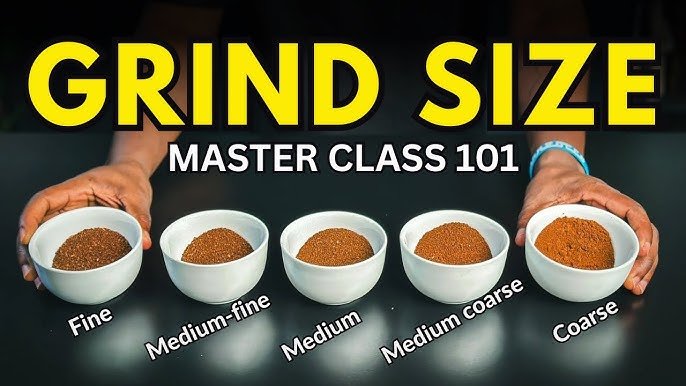
If you want to pull the perfect shot of espresso, getting the grind size just right is key. Too coarse, and your espresso will taste weak and watery.
Too fine, and it could turn bitter or clog your machine. You might wonder: how fine should you grind your coffee for espresso? This simple adjustment can transform your daily cup from ordinary to extraordinary. Keep reading, and you’ll discover exactly how to find that sweet spot for a rich, balanced espresso every time.

Credit: pesado585.com
Grind Size And Espresso Quality
Grind sizeaffects how water flows through coffee grounds. A fine grindmeans water passes slowly, extracting more flavor. A coarse grindlets water flow quickly, giving less flavor.
Fine grindshelp get a rich, strong espresso taste. But if too fine, coffee can taste bitteror over-extracted. Too coarse, and espresso can be weak or sour.
Finding the right grind size means balancing extraction and bitterness. This balance makes espresso smooth and full of flavor.
- Too fine:Slow water flow, bitter taste
- Too coarse:Fast water flow, weak flavor
- Just right:Balanced taste, smooth espresso

Credit: medium.com
Choosing The Right Grind Setting
Fine grindmeans coffee is ground to a texture like table salt. This grind is best for most espresso machines. Extra fine grindlooks like powdered sugar and is used for special espresso styles like Turkish coffee.
Different espresso machines work best with different grind sizes. Some machines need a finer grind for strong flavor. Others work well with a slightly coarser grind to avoid clogging.
| Grind Size | Texture | Best For |
|---|---|---|
| Fine | Like table salt | Most espresso machines |
| Extra Fine | Like powdered sugar | Turkish coffee, special espresso |
- Test your machine with small adjustments in grind size.
- A finer grind extracts more flavor but can slow down brewing.
- A coarser grind lets water flow faster but may taste weak.
Tools For Grinding Coffee
Burr grindersuse two rough surfaces to crush coffee beans evenly. This creates a consistent grindsize, which is very important for espresso. They also allow adjustable grind settings, so you can make the grind finer or coarser. Burr grinders keep the coffee cool, preserving flavor.
Blade grinderschop beans with a spinning blade. They are usually cheaper but grind coffee unevenly. This can cause over-extractionor under-extraction, leading to bitter or weak espresso. Blade grinders heat the beans, which can affect the taste.
| Grinder Type | Pros | Cons |
|---|---|---|
| Burr Grinder | Even grind size, adjustable, keeps beans cool | Usually more expensive |
| Blade Grinder | Affordable, simple design | Uneven grind, heats beans, less control |
- Recommended burr grinders:Baratza Encore, Rancilio Rocky, Breville Smart Grinder
- These models offer fine grind settingssuitable for espresso
- They provide consistent resultsand good build quality

Credit: thebasicbarista.com
Techniques To Achieve Consistency
Measuring grind size is key for a great espresso shot. Use a grind size chart or guide. Check if the grind is fine but not too powdery. Consistency means every particle should be nearly the same size. Use a scale to weigh coffee grounds for accuracy. Small changes in grind size affect taste and extraction time.
Testing and adjusting grind helps find the perfect balance. Brew a shot and watch the flow time. If the espresso runs too fast, the grind may be too coarse. If it drips slowly or not at all, the grind is too fine. Adjust the grinder slightly and test again. Keep notes to track changes.
Common Grinding Mistakes
Overgrindingcoffee makes the coffee powder too fine. This causes water to flow slowly or stop. The shot takes longer, often too bitter or burnt.
Undergrindingmeans coffee grains are too big. Water passes too fast, making the shot weak or sour.
Both mistakes change shot timingand ruin the taste. The perfect grind keeps water flowing just right. It balances the flavors and creates a smooth espresso.
Maintenance Tips For Grinders
Grinding coffee too coarse can make espresso weak, while too fine causes bitterness. Clean grinders regularly to keep the grind size consistent. Adjust the grind slowly for the best espresso flavor.
Cleaning For Optimal Performance
Regular cleaningkeeps your grinder working well. Remove old coffee grounds to avoid bitter flavors. Use a brush or cloth to clean burrs and chambers. Clean parts with mild soap and water, but dry them fully before use. Avoid water on electric parts. Clean weekly for best results.
Calibrating Grind Settings
Check grind size often to keep espresso taste consistent. Adjust grind settings in small steps. Use test shots to find the right grind size. Note changes in grind for different beans. Keep a record to save time. Calibration helps make espresso smooth and strong.
Frequently Asked Questions
What Grind Size Is Best For Espresso Coffee?
The best grind size for espresso is very fine, almost powder-like. It allows optimal extraction under high pressure, producing rich flavor and crema.
How Does Grind Size Affect Espresso Taste?
Grind size controls extraction speed. Too coarse causes weak, sour espresso. Too fine leads to over-extraction and bitterness. Fine grind balances flavor.
Can I Use Pre-ground Coffee For Espresso?
Pre-ground coffee is usually too coarse for espresso. Freshly grinding coffee beans to fine consistency ensures better flavor and crema quality.
Why Is Consistent Grind Size Important For Espresso?
Consistent grind size ensures even extraction, preventing under or over-extraction. This consistency delivers balanced taste and a smooth, rich espresso shot.
Conclusion
Grinding coffee fine for espresso matters a lot. It helps you get the best flavor and rich crema. Too coarse or too fine can spoil the taste. Try different grind sizes to find what you like. Remember, fresh grinding is always better than pre-ground coffee.
Enjoy your espresso with confidence and a perfect grind every time. Keep practicing, and your coffee will taste just right. Simple steps lead to great coffee moments.