
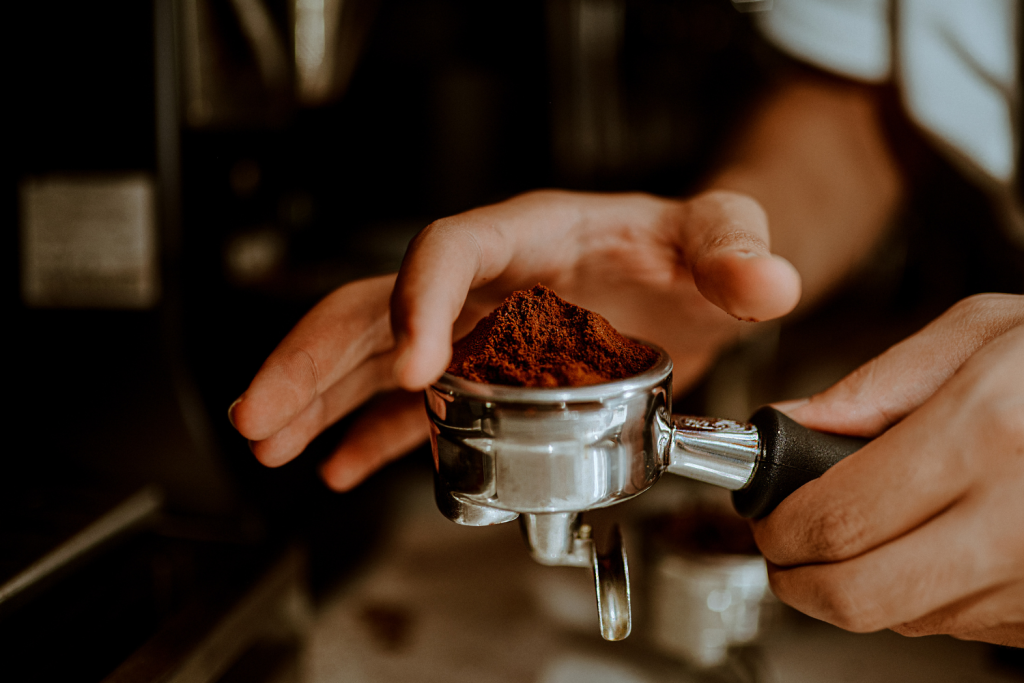
If you want the perfect shot of espresso, the grind of your coffee beans is everything. Too coarse, and your espresso will taste weak and watery.
Too fine, and it can become bitter or clog your machine. Getting the grind just right is the secret to unlocking rich flavor and smooth crema every time. You’ll discover exactly how fine to grind your coffee for your espresso machine.
By the end, you’ll know how to adjust your grind to make every cup a delicious success. Keep reading to master the art of espresso grinding and transform your coffee routine.

Credit: batwcoffee.com
Grind Size And Espresso Quality
Grind sizegreatly affects the taste of espresso. A fine grindlets water extract more flavor quickly. Too fine, and espresso may taste bitteror over-extracted. Too coarse, and the shot might be weakor sour. The right grind size balances flavorand strength.
Extraction timedepends on grind size. Finer grounds slow water flow, making extraction longer. Coarser grounds speed water flow, shortening extraction. Ideal espresso takes about 25-30 secondsto extract. Adjust grind size to control this time.
| Grind Size | Extraction Time | Flavor Notes |
|---|---|---|
| Too Fine | Longer than 30 sec | Bitter, Over-extracted |
| Fine (Ideal) | 25-30 sec | Balanced, Rich, Smooth |
| Coarse | Less than 25 sec | Sour, Weak, Under-extracted |
Credit: allthingsdrinks.co.uk
Ideal Grind Size For Espresso
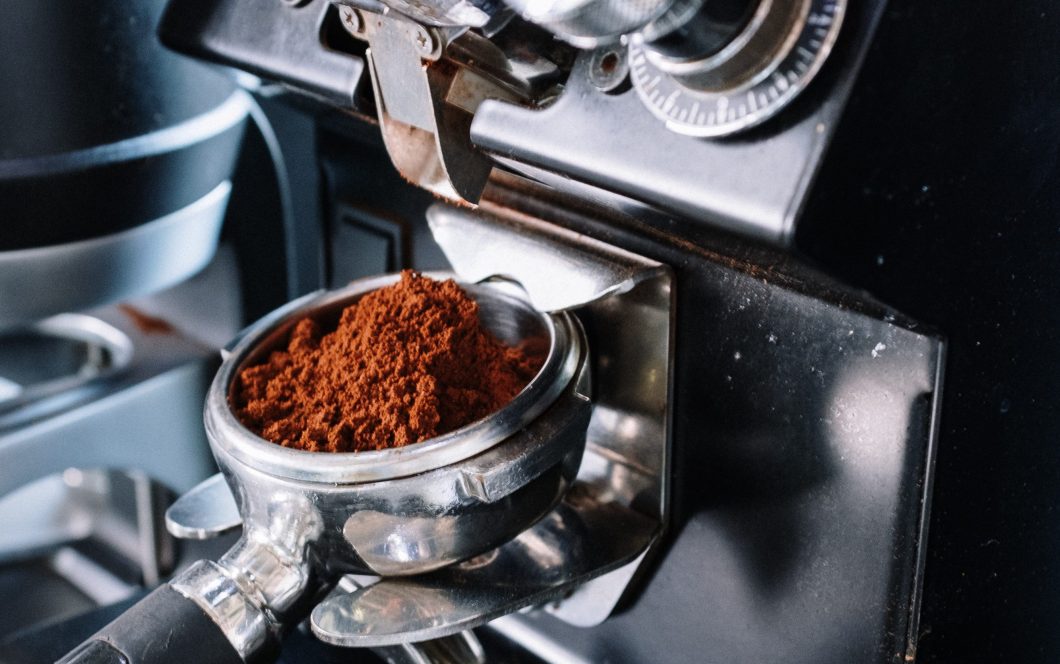
The ideal grind size for espressois very fine, almost like powdered sugar. This fine grind helps water pass through the coffee evenly, making a rich and strong espresso.
Characteristics of fine grindinclude a smooth texture and tiny particles. It allows the espresso machine to extract flavors quickly but not too fast. This balance is key for a good taste.
| Fine Grind | Extra Fine Grind |
|---|---|
| Looks like fine sand | Almost like flour or powder |
| Allows water to flow at the right speed | Water flows slower, can cause over-extraction |
| Produces balanced and rich espresso | May taste bitter due to long extraction |
| Best for most espresso machines | Used for special espresso styles or machines |
Adjusting Grind For Different Machines
Manual espresso machines need a fine, consistent grind. The grind should be slightly coarser than powder. This helps water flow at the right speed. Too fine makes the shot bitter and slow. Too coarse makes it watery and weak.
Automatic espresso machines often have preset grind settings. Use a grind size that matches your machine’s recommendations. Usually, these machines work best with a medium-fine grind. This prevents clogging and keeps extraction balanced.
| Machine Type | Grind Size | Effect of Incorrect Grind |
|---|---|---|
| Manual Espresso | Very Fine (slightly coarser than powder) | Too fine: bitter, slow; Too coarse: weak, watery |
| Automatic Espresso | Medium-Fine (preset or recommended) | Too fine: clogging; Too coarse: under-extraction |
Tools To Achieve Perfect Grind
Choosing the right grinder affects your espresso’s taste and texture. Burr grinderscrush beans evenly. This gives a consistent fine grindneeded for espresso machines. Burr grinders keep the coffee’s aroma and flavor better.
Blade grinderscut beans unevenly. This makes mixed coarse and fine particles. It can lead to bitter or weak espresso. Blade grinders are less precise and not ideal for espresso.
| Grinder Type | How It Works | Best For | Drawbacks |
|---|---|---|---|
| Burr Grinder | Crushes beans between two burrs | Fine, even grind for espresso | Usually more expensive |
| Blade Grinder | Chops beans with a spinning blade | Coarser grind, not ideal for espresso | Uneven grind size |
Troubleshooting Grind Issues
Too coarsegrind makes espresso taste watery and weak. It causes fast water flow and under-extraction. The shot pulls in less than 20 seconds and looks pale. On the other hand, too finegrind blocks water flow, causing slow extraction and bitter taste. The shot takes over 30 seconds and looks dark and thick.
Adjust grind size based on how the espresso extracts. If the shot is too fast and weak, make the grind finer. If the shot is too slow and bitter, make the grind coarser. Small changes matter. Adjust a little, pull a shot, and taste again. Repeat until the shot pulls in about 25 seconds with balanced flavor.
Credit: www.breville.com
Maintaining Consistent Grind
Regular cleaningof your grinder helps keep the grind size steady. Coffee oils and grounds can build up inside. This buildup can make the grinder less effective. Clean the burrs and the chute often to stop clogging. Use a brush or grinder cleaner for best results.
Calibrating grind settingsmeans adjusting the grinder to get the right coffee texture. Different beans and machines need different grind sizes. Test small changes and watch how the espresso pours. Fine adjustments can change taste and crema. Keep notes to find your best setting. This helps keep the grind consistent and your espresso tasty.
Frequently Asked Questions
What Grind Size Is Best For Espresso Machines?
A fine grind size, similar to table salt, is ideal for espresso. It allows optimal extraction and rich flavor in a short brew time.
How Does Grind Size Affect Espresso Taste?
Grind size controls extraction rate. Too coarse causes sourness, too fine leads to bitterness. Proper grind ensures balanced espresso flavor.
Can I Use Pre-ground Coffee For Espresso?
Pre-ground coffee can work but may lose freshness and flavor quickly. Freshly ground coffee ensures better taste and crema.
How To Adjust Grind Size For Different Espresso Machines?
Adjust grind size based on your machine’s pressure and basket type. Experiment slightly finer or coarser to perfect the shot.
Conclusion
Grinding coffee just right matters for great espresso taste. Too fine or too coarse changes the flavor and strength. Experiment with grind size until you find your best cup. Freshly ground coffee always makes a big difference. Use a good grinder and keep it clean.
Enjoy your espresso with the perfect grind every time. Simple steps lead to better coffee moments.