
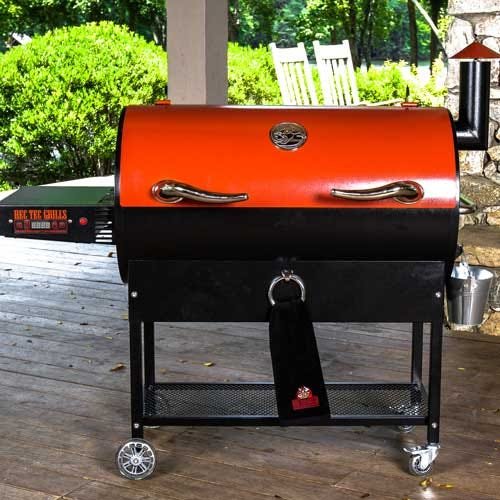
Are you curious about how efficient a pellet grill really is? Whether you’re thinking about upgrading your backyard setup or just want to get the most out of your cooking, understanding efficiency is key.
You want a grill that saves fuel, cooks evenly, and makes your food taste amazing—without wasting time or money. You’ll discover exactly how pellet grills perform when it comes to efficiency, so you can decide if it’s the right choice for your next cookout.
Keep reading to unlock the truth behind pellet grill efficiency and make smarter grilling decisions.
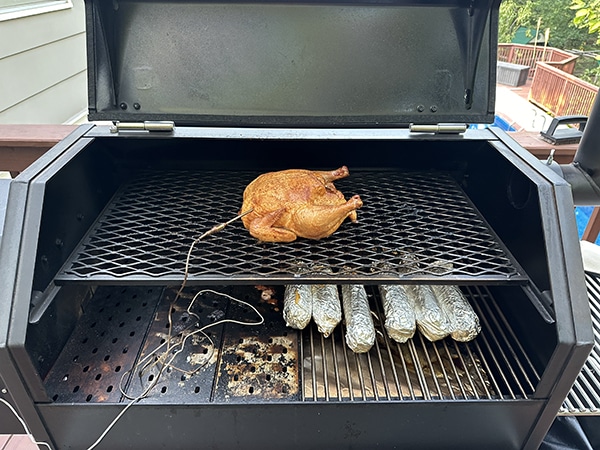
Credit: www.artofmanliness.com
Pellet Grill Basics
Pellet grills use wood pellets as fuel. They cook food by combining heat and smoke.
Understanding how they work helps you use them efficiently and get great results.
How Pellet Grills Work
Pellet grills burn wood pellets in a firepot. A fan blows air to keep the fire burning. A digital controller adjusts the temperature.
- Pellets drop from the hopper into the firepot.
- The igniter lights the pellets.
- The fan pushes air to spread heat and smoke.
- The controller keeps the temperature steady.
Key Components
| Component | Function |
| Hopper | Stores wood pellets |
| Auger | Moves pellets to firepot |
| Firepot | Burns pellets to create heat |
| Fan | Circulates air and smoke |
| Controller | Regulates temperature |
Fuel Efficiency Factors
Pellet grills use wood pellets as fuel to cook food. Their efficiency depends on several key factors. Understanding these helps you get the best use of your grill.
Two main factors that affect fuel efficiency are how much pellets are consumed and how well heat is kept and spread inside the grill.
Pellet Consumption Rates
Pellet consumption varies by temperature and cooking time. Higher heat means more pellets burn faster. Lower heat uses fewer pellets over longer cooking periods.
- Low heat (180°F to 225°F) uses about 1 pound of pellets per hour.
- Medium heat (225°F to 350°F) uses about 1.5 pounds per hour.
- High heat (350°F to 450°F) uses about 2 to 3 pounds per hour.
- Grill size and pellet quality also affect consumption.
Heat Retention And Distribution
Good heat retention lowers pellet use by keeping stable temperatures. Even heat distribution cooks food faster and more evenly. This reduces wasted fuel.
| Factor | Effect on Efficiency |
| Insulation | Keeps heat inside grill longer |
| Grill Design | Spreads heat evenly across cooking area |
| Airflow Control | Maintains steady temperature with less fuel |
| Material Quality | Improves heat holding and reduces loss |
Comparing Pellet Grills To Other Bbqs
Pellet grills have grown in popularity for outdoor cooking. They use wood pellets as fuel and offer a unique cooking experience. It is helpful to compare pellet grills with other common BBQ types to understand their efficiency.
This comparison looks at charcoal grills, gas grills, and electric grills. We focus on how pellet grills perform in fuel use, temperature control, and cooking quality.
Charcoal Grills
Charcoal grills use charcoal briquettes or lump charcoal for heat. They give a smoky flavor that many BBQ lovers enjoy. Charcoal grills need manual adjustment of air vents to control temperature.
- Fuel is less predictable and can burn unevenly.
- Temperature control takes skill and attention.
- Charcoal produces more ash and requires cleaning.
- Pellet grills use automated feeding systems for steady heat.
Gas Grills
Gas grills use propane or natural gas. They heat up quickly and offer easy temperature control with knobs. Gas grills lack the smoky flavor of wood or charcoal.
| Feature | Pellet Grill | Gas Grill |
| Fuel Type | Wood Pellets | Propane or Natural Gas |
| Temperature Control | Automatic with Digital Controller | Manual with Knobs |
| Flavor | Smoky Wood Flavor | Clean, No Smoke |
| Heat Up Time | Moderate | Fast |
| Fuel Efficiency | Good, Controlled Feed | High |
Electric Grills
Electric grills use electricity to heat the cooking surface. They are easy to use indoors or where open flames are not allowed. They do not add any smoke flavor to the food.
- Pellet grills add wood smoke flavor.
- Pellet grills offer better temperature control with digital systems.
- Electric grills heat quickly but lack the taste of wood smoke.
- Pellet grills require fuel storage but provide consistent heat.
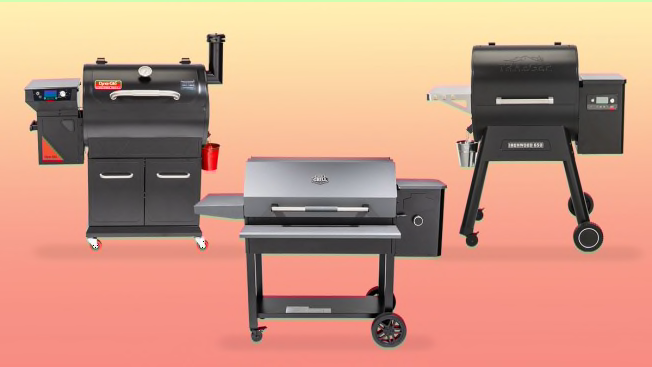
Credit: www.consumerreports.org
Benefits Of Using Pellet Grills
Pellet grills use wood pellets as fuel to cook food evenly. They offer a modern way to grill with less effort.
These grills bring several advantages that help improve your outdoor cooking experience.
Consistent Temperature Control
Pellet grills maintain a steady temperature during cooking. This helps food cook evenly without burning or undercooking.
Here is how pellet grills keep consistent heat:
- Automatic pellet feeding system adjusts fuel flow
- Built-in digital controllers monitor temperature
- Fans circulate heat and smoke inside the grill
Flavor Enhancement
Wood pellets add natural smoky flavor to food. Different types of wood create unique taste profiles.
| Wood Pellet Type | Flavor Profile |
| Hickory | Strong, smoky, bacon-like |
| Apple | Sweet and mild fruit flavor |
| Mesquite | Bold and earthy taste |
| Cherry | Sweet, fruity, and light smoke |
Ease Of Use
Pellet grills are simple to operate. Many models have digital controls and automatic ignition.
- Just fill the hopper with pellets
- Set the temperature using a digital panel
- The grill heats up and maintains heat on its own
- Less need to watch or adjust during cooking
Energy Savings Tips
Pellet grills use wood pellets to cook food with less energy. Saving energy helps the environment and cuts costs.
Simple actions can make your pellet grill work better and use less fuel. Focus on good pellets, care, and cooking tricks.
Choosing Quality Pellets
Good pellets burn cleaner and last longer. Choose pellets made from pure hardwood without fillers or bark.
- Look for 100% hardwood pellets
- Avoid pellets with softwood or fillers
- Store pellets in a dry place to keep them dry
- Use pellets that fit your grill’s brand or type
Proper Maintenance
Keeping your grill clean helps it burn fuel well. Dirt and ash can block air and waste energy.
| Maintenance Task | How Often | Reason |
| Empty ash from firepot | After every 5 uses | Improves airflow |
| Clean grease tray | Weekly | Prevents flare-ups |
| Inspect pellet hopper | Monthly | Avoids pellet jams |
| Check grill seals | Every 3 months | Keeps heat inside |
Optimizing Cooking Techniques
Using smart cooking methods saves pellets and energy. Control heat and avoid opening the lid too much.
- Preheat grill fully before cooking
- Cook at steady temperatures to save fuel
- Use indirect heat for longer cooks
- Keep the lid closed during cooking
- Use a meat thermometer to avoid overcooking
Common Efficiency Challenges
Pellet grills offer a unique way to cook food with wood pellets. They are known for consistent heat and flavor. Still, some issues can affect their efficiency.
Understanding these common challenges helps users get better results. The main issues include pellet feed problems, weather effects, and grill design.
Pellet Feed Issues
The pellet feed system moves wood pellets into the fire pot. If pellets jam or feed unevenly, the grill cannot keep steady heat.
Pellets that are damp or broken cause blockages. Low-quality pellets may crumble and stop the auger. This lowers cooking efficiency and wastes fuel.
- Use dry, high-quality pellets to avoid jams
- Clean the pellet hopper regularly
- Check the auger for damage or wear
Weather Impact
Weather affects how well a pellet grill works. Wind can cool the grill and cause heat loss. Cold temperatures make the grill burn more pellets to stay hot.
Rain or humidity can dampen pellets in the hopper. This causes feeding problems and reduces heat. Users need to protect their grill and pellets from bad weather.
- Place the grill in a sheltered spot
- Use a cover to protect the grill and pellets
- Keep pellets dry by storing them indoors
Grill Size And Design
Grill size affects how much fuel it uses. Larger grills need more pellets to reach the same temperature. Design also matters for heat circulation and efficiency.
Some grills have poor insulation or uneven heat zones. This causes temperature swings and longer cooking times. A well-designed grill saves pellets and cooks food evenly.
- Choose the right grill size for your cooking needs
- Look for good insulation to keep heat inside
- Check for even heat distribution in the cooking area
Real User Experiences
Many people who use pellet grills share their honest views. They talk about how well the grills save fuel and cook food.
These users help us understand if pellet grills are truly efficient in daily use.
Energy Consumption Reports
Users report that pellet grills use pellets steadily and do not waste fuel. The grills keep a constant temperature with less wood.
Some shared numbers show that pellet grills use about 1 to 2 pounds of pellets per hour while cooking at 225°F to 350°F.
- Low heat settings use less than 1 pound per hour
- Medium heat settings use about 1 to 1.5 pounds per hour
- High heat settings may use close to 2 pounds per hour
Flavor And Texture Outcomes
Many users enjoy the rich smoky flavor pellet grills add to their food. The smoke comes from burning wood pellets, not gas or charcoal.
Users say the texture is moist and tender, especially for slow-cooked meats like ribs and brisket.
- Smoke adds a mild, pleasant wood flavor
- Meat stays juicy due to even heat
- Pellet grills can create crispy crusts on food
Future Trends In Pellet Grilling
Pellet grills are becoming more popular for outdoor cooking. They use wood pellets to cook food evenly and add flavor.
The future of pellet grilling looks bright with new technology and eco-friendly ideas. These changes will make grilling easier and better for the planet.
Technological Innovations
New pellet grills come with smarter controls and better heating systems. These features help keep the temperature steady for perfect cooking.
Some grills now connect to smartphones. You can check and change the heat from anywhere. This makes grilling more convenient and fun.
- Wi-Fi and Bluetooth control options
- Improved temperature sensors
- Faster pellet feeding systems
- Digital displays for easy settings
Sustainability Improvements
Pellet grills use wood pellets made from compressed sawdust. Many companies now use recycled wood to make these pellets.
New grills are designed to use fuel more efficiently. This means less waste and lower emissions. This helps protect the environment.
- Pellets made from recycled wood
- Lower fuel consumption designs
- Reduced smoke and emissions
- Eco-friendly packaging and materials
Credit: medium.com
Frequently Asked Questions
What Makes A Pellet Grill Efficient?
Pellet grills are efficient due to their precise temperature control and even heat distribution. They use wood pellets that burn cleanly, enhancing flavor while minimizing waste. The automated feeder system ensures consistent cooking without manual intervention, making it energy-efficient and convenient for long cooking sessions.
How Do Pellet Grills Save Energy?
Pellet grills save energy by using wood pellets that burn efficiently and produce minimal ash. The automated temperature control system adjusts pellet feeding, optimizing fuel use. This efficient fuel consumption reduces energy waste, making pellet grills a sustainable choice for outdoor cooking.
Are Pellet Grills Better For Flavor?
Yes, pellet grills enhance flavor by using various wood pellets like hickory, mesquite, or apple. These pellets infuse food with rich, smoky flavors. The consistent temperature control ensures even cooking, which further enhances taste. This flavor versatility is a key reason many prefer pellet grills.
Can Pellet Grills Maintain Consistent Temperatures?
Pellet grills maintain consistent temperatures through their digital control systems. These systems automatically feed pellets to regulate heat, ensuring steady cooking temperatures. This precise temperature control is ideal for smoking and slow cooking, providing consistent results every time.
Conclusion
A pellet grill cooks food evenly and saves fuel well. It keeps temperature steady for better results every time. Cleaning and using it is simple and fast. Pellet grills offer great taste with less hassle. They suit both beginners and experienced cooks.
Choosing one depends on your cooking style and needs. Overall, pellet grills provide good efficiency and ease. A smart choice for anyone who loves outdoor cooking.