
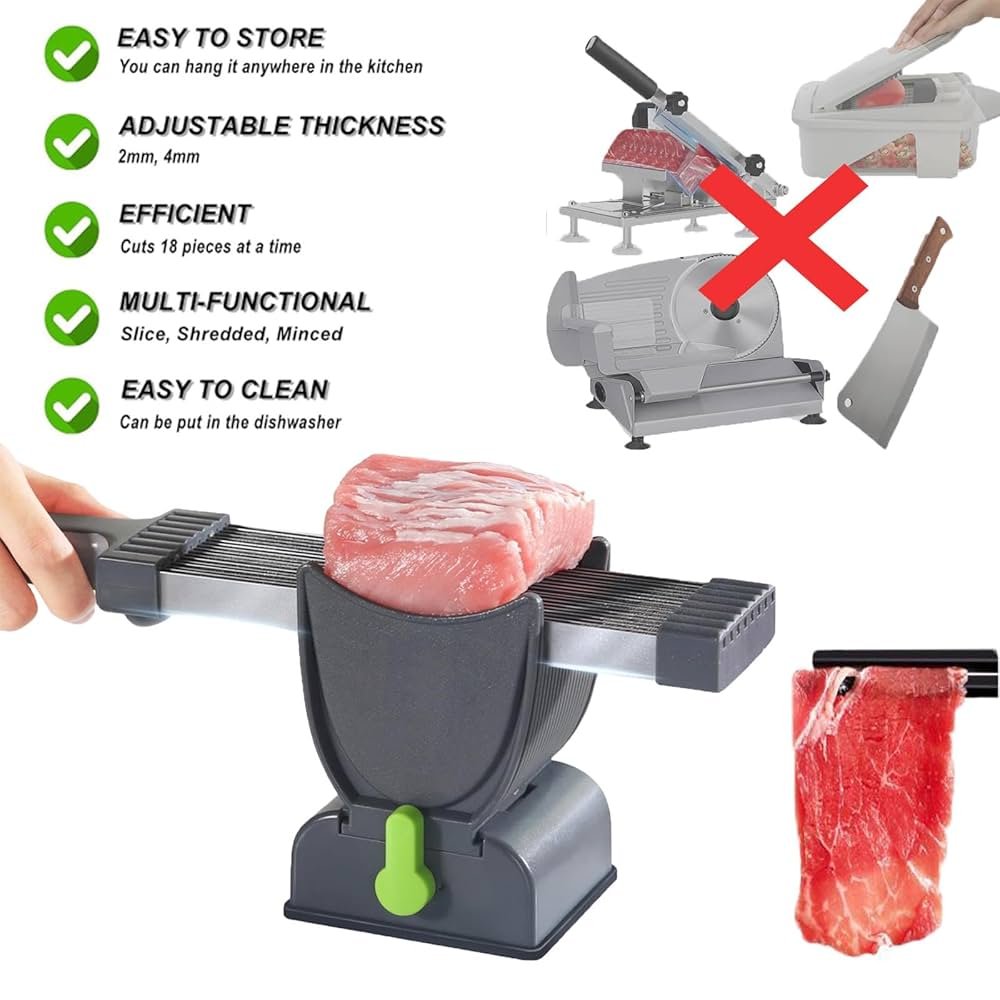
Are you tired of uneven slices that ruin your meals? Choosing between a home slicer and manual slicing can change the way you prepare food every day.
Your kitchen tools affect not just how your food looks, but also how it tastes and how much time you spend cooking. This article will help you discover which method fits your needs best, saving you effort and boosting your kitchen confidence.
Keep reading to find out how to make slicing easier, faster, and more precise—just the way you like it.
Home Slicer Benefits
A home slicer offers precision and consistencythat manual slicing often lacks. It cuts food into even pieces, making meals look neat and well-prepared.
Using a home slicer saves timeas it slices quickly without much effort. This is great for busy days or when preparing large meals.
Safety is important. Home slicers come with features to protectfingers from cuts. This helps avoid accidents that happen during manual slicing.

Credit: www.amazon.ca
Manual Slicing Advantages
Manual slicing gives better control over slice thickness and shape. It’s simple, needs no electricity, and lets you work quietly in the kitchen. Perfect for small tasks or when you want a personal touch on your food.
Control Over Thickness
You can choose how thick or thin to slice. Each piece is just how you like it. No preset options limit your choices. Perfect control is in your hands.Versatility In Cutting
Manual slicing works for many foods. Bread, cheese, and veggies are easy to slice. Different shapes and sizes are possible. Imagination is your only limit.No Electricity Needed
Manual slicing works anywhere. No power? No problem! Use it during camping or power cuts. Always ready, anytime you need it. `Types Of Home Slicers
Electric slicersuse a motor to cut food quickly and evenly. They save time and effort, especially for large amounts of meat or bread. Electric slicers are easy to use but need a power source and cleaning after use. They often come with safety features to protect fingers.
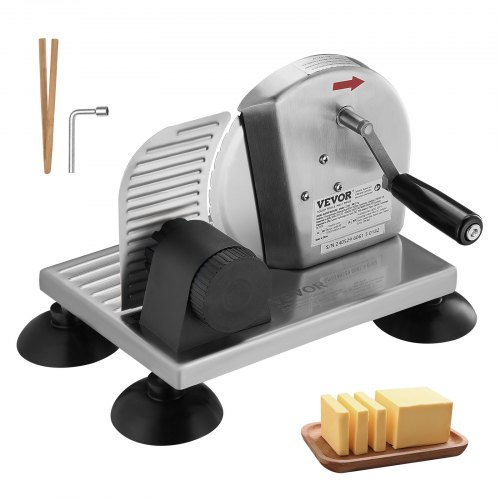
Manual slicersrequire you to slide the food across a blade by hand. They are simpler, cheaper, and do not need electricity. Manual slicers are good for small tasks and give more control over slicing. They need more effort and skill to keep slices even.
Adjustable thickness optionslet you choose how thick or thin each slice will be. Both electric and manual slicers usually have this feature. It helps slice different foods just right, like thin slices for sandwiches or thick slices for cheese.
Credit: www.vevor.ca
Best Foods For Home Slicing
Meats and cheesesslice well with home slicers. Deli meats like ham, turkey, and salami get even, thin cuts. Cheeses such as cheddar, Swiss, and mozzarella stay firm and slice smoothly. Manual slicing can work but may give uneven pieces.
Bread and vegetables need care. Bread slices should be firm but not too hard. Vegetables like cucumbers, carrots, and bell peppers can be sliced thinly and quickly with a slicer. Manual slicing works best for softer or irregular shapes.
Fruits and delicatessen itemslike apples, tomatoes, and smoked fish cut well with a slicer. Thin, uniform slices keep food looking nice. Manual slicing takes more effort and skill to keep slices even.
Techniques For Manual Slicing
Choosing the right knife is key to easy slicing. A sharp, thin blade works best. It cuts smoothly without squashing the food.
Proper hand placement keeps fingers safe and steady. Hold the item with fingertips curled inward. This prevents cuts and gives control.
Maintaining even slices means cutting with steady, slow motions. Use the same pressure each time. This helps slices look neat and cook evenly.
Maintenance Tips
Cleaning home slicersis key to keep them safe and working well. Wipe all parts with a damp cloth after use. Use mild soap and warm water for stubborn food bits. Avoid soaking electrical parts. Dry thoroughly to stop rust or damage.
Sharpening bladeshelps slicers cut smoothly and safely. Use a sharpening tool made for your slicer type. Always follow the blade angle when sharpening. Never force the blade; gentle strokes work best. Sharpen regularly to keep blades sharp and safe.
Safe storage practicesprotect both the slicer and your hands. Store slicers in a dry place. Cover blades with a guard or cloth to avoid accidents. Keep the slicer out of reach of children. Regularly check for damage or wear before use.
Cost Comparison
The initial investmentfor a home slicer is usually higher than manual slicing tools. A good slicer can cost between $50 and $200. Manual knives or slicers cost less, often under $20.
Long-term expensesinclude maintenance and replacements. Electric slicers may need blade sharpening or parts replaced. Manual slicers are cheaper to maintain but can wear out faster.
| Cost Aspect | Home Slicer | Manual Slicing |
|---|---|---|
| Initial Investment | $50 – $200 | Under $20 |
| Long-Term Expenses | Blade maintenance, parts replacement | Occasional knife replacement |
| Value for Money | Better for frequent use | Good for occasional use |
Choosing The Right Option
Personal needsplay a big role in choosing between a home slicer and manual slicing. A slicer saves time and effort, perfect for frequent use. Manual slicing offers control and is better for small tasks or occasional use.
Space and storagematter too. A home slicer takes up more room and needs a safe storage spot. Manual slicing tools are small and easy to store, fitting well in tight kitchens.
Budget and usage frequency guide the choice. Home slicers cost more but work faster for daily use. Manual slicing is cheaper and good for less frequent slicing.

Credit: www.amazon.ca
Frequently Asked Questions
What Are The Main Differences Between Home Slicer And Manual Slicing?
Home slicers offer consistent thickness and faster slicing. Manual slicing requires skill and is slower. Home slicers reduce effort and improve precision compared to manual slicing. Each method suits different needs and preferences.
Is Home Slicer Safer Than Manual Slicing?
Home slicers often have safety features like blade guards. Manual slicing carries higher risk of cuts without proper technique. Using a home slicer reduces hand fatigue and improves control. Safety depends on user experience and equipment quality.
Which Method Is More Cost-effective: Home Slicer Or Manual?
Manual slicing is cheaper initially as it requires only a knife. Home slicers have upfront costs but save time and effort. Over time, home slicers may be more cost-effective for frequent use. Consider budget and usage frequency.
How Does Slicing Quality Compare Between Home Slicer And Manual?
Home slicers provide uniform, thin slices ideal for presentation. Manual slicing may result in uneven cuts depending on skill. Home slicers enhance food texture and appearance. Quality depends on device precision and user’s slicing ability.
Conclusion
Choosing between a home slicer and manual slicing depends on your needs. A home slicer offers speed and uniform cuts. Manual slicing gives you more control and flexibility. Both methods have pros and cons. Think about how often you slice and what you slice.
This will guide your choice. Either way, you can enjoy fresh, nicely cut food at home. Simple tools or machines—both help in the kitchen. Try both to see which suits you best.