

If you use a heavy duty slicer regularly, you know how important it is to keep it running smoothly. Neglecting maintenance can lead to dull blades, uneven cuts, and costly repairs.
But don’t worry—taking care of your slicer doesn’t have to be complicated. You’ll discover simple, effective tips to keep your slicer sharp, safe, and reliable. Follow these steps, and you’ll save time, avoid frustration, and get the best performance every time you slice.
Ready to make your slicer last longer and work better? Let’s dive in!

Credit: www.vevor.ca
Choosing The Right Slicer
Choosing a slicer with strong materialsensures it lasts long. Stainless steel and aluminum are good choices. These materials resist rust and damage. The build qualityaffects safety and ease of cleaning. A sturdy slicer stays stable during use, reducing accidents.
Blades come in different types and sizes. A sharp, smooth blade cuts thin slices easily. Serrated blades work well for bread or tough foods. Large blades handle big cuts quickly. Small blades offer more control for delicate slicing.
| Blade Type | Best For |
|---|---|
| Sharp, Smooth | Meats, cheeses, vegetables |
| Serrated | Bread, tough-skinned fruits |
| Large | Big cuts, fast slicing |
| Small | Delicate, thin slices |
Daily Cleaning Routine
Disassembling the slicer is key for thorough cleaning. Remove all parts carefully, including the blade, guard, and food carriage. Keep track of small screws and parts to avoid loss.
Use a soft cloth or brush to clean hard-to-reach areas. Avoid harsh tools that could damage the slicer.
For safe cleaning, unplug the slicer before starting. Use warm water and mild soap to wash each part. Do not soak electrical parts to prevent damage.
Rinse parts well and dry them completely to stop rust and bacteria growth.
Sanitize slicer components using a food-safe sanitizer spray or solution. Let the parts air dry before reassembling. This step helps keep the slicer safe and hygienicfor food preparation.
Blade Care And Sharpening
Sharpen your blade when you notice it is not cutting well. Dull blades make slicing slow and hard. Listen for a change in sound. A dull blade can be noisy. Check the edge for nicks or rough spots. These are signs it needs sharpening. Regular checks help keep blades sharp.
Use a whetstone or a sharpening stone. They are easy to find. An electric sharpener works well too. Follow the tool’s instructions. Keep the angle right when sharpening. Consistency is key. Clean the blade after sharpening. It prevents rust and keeps it ready for use.
- Do not cut hard items like bones or frozen food.
- Always keep the blade clean and dry.
- Use the slicer only for its intended purpose.
- Store the slicer in a safe place.
- Handle the blade with care.

Credit: www.vevor.ca
Lubrication And Moving Parts
Use food-grade lubricantsto keep slicer parts moving smoothly. Avoid regular oils that can harm food safety. Choose lubricants made for kitchen machines.
| Area | Why Lubricate? |
|---|---|
| Blade Shaft | Reduces friction and wear |
| Carriage Slide | Keeps sliding smooth |
| Gears and Bearings | Prevents rust and damage |
| Motor Parts | Ensures quiet, efficient running |
Lubricate these areas after cleaning or at least once a week. If slicer is used heavily, increase lubrication to every 2-3 days. Regular care keeps slicer working longer and safer.
Inspecting And Replacing Parts
Heavy duty slicers face common wear and tearin daily use. Blades get dull and belts can stretch or crack. These parts must be checked often to keep the slicer working well.
Replacing blades helps maintain sharp cuts. Always use the right blade type for your slicer. Belts should be tight and free of damage. Loose belts reduce slicer power and cause slipping.
Electrical components need careful inspection. Look for frayed wires, loose connections, or burnt smells. Faulty parts can cause the slicer to stop or create safety risks.
| Parts | Signs of Wear | Action Needed |
|---|---|---|
| Blades | Dull, chipped, or bent | Replace with new blades |
| Belts | Cracks, stretching, slipping | Tighten or replace belts |
| Electrical Components | Frayed wires, loose parts, burnt smell | Inspect and repair or replace |
Storage And Handling Tips
Store the heavy duty slicer in a clean, dry place. Avoid areas with moisture to stop rust. Keep it covered with a cloth or plastic cover to protect from dust. Temperature should be stable, not too hot or cold. Store the slicer on a flat surface to avoid damage to blades and parts.
Handle the slicer carefully to keep it safe and working well. Always use both hands when moving it. Do not drop or hit the slicer. Clean and dry hands before touching to avoid slipping. Use gloves for extra grip and safety. Avoid touching the sharp blades directly.
Troubleshooting Common Issues
Uneven slicingoften happens because the blade is dull or dirty. Clean the blade regularly and sharpen it to keep slices even. Check the food carriage for smooth movement. If it sticks, clean and lubricate it with food-safe oil. Also, ensure the thickness knob is not loose or damaged.
Motor and power issuescan cause the slicer to stop working or run slowly. Check the power cord for damage and make sure it is plugged in securely. Overheating can cause the motor to shut off; let it cool down before restarting. If the motor hums but does not run, the capacitor might need replacing.
Noise and vibrationoften mean the slicer needs cleaning or parts are loose. Tighten all screws and bolts. Clean food debris from the blade guard and motor area. Balance the blade by checking for chips or dents and replace it if needed. Vibrations reduce slicer life and affect slicing quality.
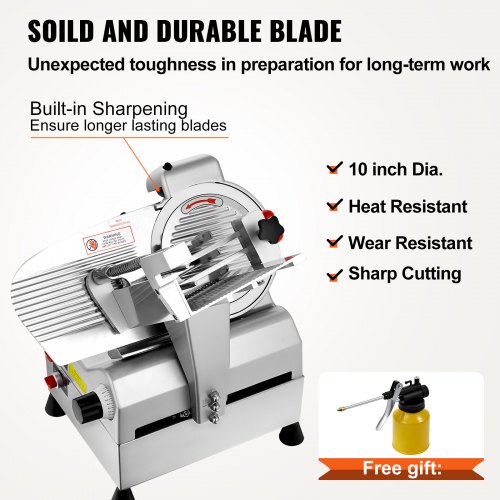
Credit: www.vevor.ca
Professional Servicing Guidelines
Heavy duty slicers need professional servicingto stay safe and work well. Look for signs like strange noises, uneven slicing, or difficulty moving parts. These signs mean it’s time to call a technician.
Choose a service provider with experiencein heavy duty slicers. Check if they have good reviews and use original parts. Ask if they offer quick repairs to reduce downtime. Also, see if they provide routine maintenance plans for long-lasting machines.
| What to Check | Why It Matters |
|---|---|
| Experience with slicers | Ensures proper handling and repair |
| Use of original parts | Keeps the slicer working safely |
| Quick service | Minimizes machine downtime |
| Maintenance plans | Prevents future breakdowns |
Frequently Asked Questions
How Often Should I Clean A Heavy Duty Slicer?
Clean your heavy duty slicer daily to prevent residue buildup. Regular cleaning ensures safety, maintains sharpness, and extends slicer lifespan. Use manufacturer-recommended cleaning solutions and follow proper disassembly steps for thorough cleaning.
What Is The Best Lubricant For Slicer Maintenance?
Use food-grade lubricants specifically designed for slicers. These lubricants prevent rust and ensure smooth blade movement. Avoid using oil that can contaminate food or damage slicer parts. Always apply lubricant sparingly on moving components.
How Do I Sharpen The Slicer Blade Safely?
Use the built-in sharpening stone or an appropriate external sharpener. Follow the slicer manual’s instructions carefully. Always disconnect the slicer from power before sharpening to avoid accidents. Regular blade sharpening improves cutting efficiency and product quality.
When Should I Replace Slicer Parts?
Replace blades, belts, and other parts when they show wear or damage. Regular inspection helps identify worn components early. Using damaged parts can reduce performance and cause safety hazards. Follow manufacturer guidelines for replacement intervals.
Conclusion
Regular care keeps your heavy duty slicer working well. Clean the blade and parts after every use. Check for sharpness and tighten loose screws often. Proper maintenance saves money and time on repairs. A well-maintained slicer cuts smoothly and safely.
Small efforts prevent big problems later on. Follow these tips to extend your slicer’s life. Keep your kitchen running with a reliable slicer. Simple steps make a big difference every day.