
If you own a Hamilton Beach slicer, you know how handy it is for slicing meats, cheeses, and veggies quickly and evenly. But to keep your slicer working smoothly and safely, regular maintenance is key.
Without proper care, your slicer can become dull, jam, or even unsafe to use. In this guide, you’ll discover simple, effective tips to clean, sharpen, and maintain your Hamilton Beach slicer so it stays in top shape for years to come.
Keep reading to unlock the secrets that will save you time, money, and frustration every time you use your slicer.

Credit: www.amazon.com
Cleaning Your Hamilton Beach Slicer
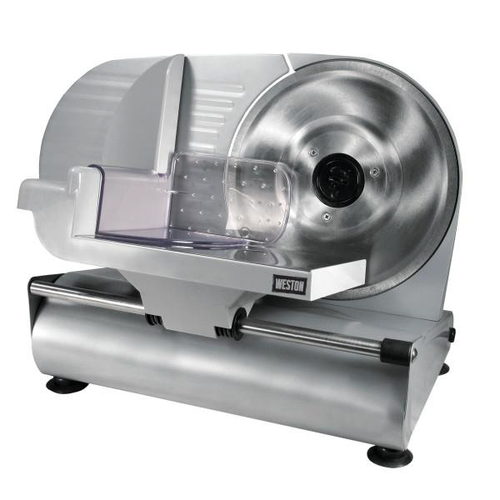
Before cleaning, always unplug the slicer. Carefully remove the blade and other parts. Use caution to avoid cuts while handling sharp blades.
Wash the blades with warm, soapy water. Use a soft brush or cloth to remove food bits. Rinse thoroughly and dry completely to avoid rust.
Wipe the motor base with a damp cloth. Never immerse the motor base in water. Dry it well before storing or using again.
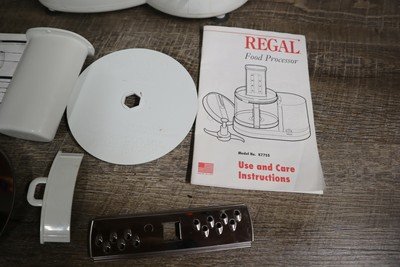
Credit: www.culinarydepotinc.com
Lubricating Moving Parts
Pick a food-safe lubricant for your slicer. This ensures safety for all. Check the slicer’s manual for recommendations. Use only approved lubricants to avoid damage. Avoid using water-based lubricants as they can rust the parts. Silicone-based lubricants are often the best choice. They are safe and effective.
Turn off and unplug the slicer first. Clean the slicer to remove old grease. Use a clean cloth for this task. Apply a small amount of lubricant on moving parts. Focus on the blade and gears. Spread it evenly for smooth operation. Wipe off any excess with a cloth. This prevents build-up and keeps it clean.
Sharpening The Blades
Blades should be sharpened when slicing becomes uneven or slow. Dull blades can tear food instead of slicing cleanly. Check blades every few months if used often.
Use a sharpening stone or a blade sharpener made for kitchen tools. Hold the blade at a 20-degree angle against the sharpener. Move the blade smoothly back and forth. Repeat until the edge feels sharp.
Some Hamilton Beach slicer blades can be removed for sharpening. Always unplug the slicer before removing blades. Clean blades before and after sharpening to avoid rust.
- Hold blade steady and sharpener at correct angle.
- Use gentle, even strokes for best results.
- Check sharpness by slicing a soft food item.
- Do not over-sharpen; this can wear the blade.
- Reassemble blades securely before use.

Credit: www.ebay.com
Storage Tips
Protecting the bladeshelps keep the slicer sharp and safe. Always clean the blades after use to stop rust. Dry the blades completely before storing. Use blade covers or wrap blades with a cloth to avoid damage. Never touch the blades with bare hands to prevent cuts.
Safe storage locationsshould be dry and cool. Avoid places with high humidity to stop rust. Store the slicer in a cabinet or drawer away from children. Keep the slicer upright or flat on a stable surface to prevent accidents. Make sure the slicer is unplugged before storing.
Troubleshooting Common Issues
Blade not spinningoften means the slicer is jammed or dirty. Check for food stuck around the blade or motor. Clean the blade carefully and remove any debris. Make sure the slicer is properly plugged in and the switch is on. If the blade still won’t spin, the motor might need repair.
Uneven slicinghappens when the blade is dull or misaligned. Sharpen the blade regularly with the right tool. Also, check if the blade is properly fixed and tightened. Adjust the thickness dial to ensure it works well. Uneven pressure on the food can also cause bad slices.
Unusual noisescan signal a loose part or lack of lubrication. Tighten all screws and parts. Clean the slicer thoroughly to remove stuck food. Add a few drops of food-safe oil on moving parts if recommended by the manual. Strange sounds might also mean the motor is wearing out and needs checking.
Replacing Parts
Genuine parts keep your Hamilton Beach slicerworking well. Always order parts from official sourcesor authorized dealers. Check the model numberbefore buying to get the correct parts. Using the wrong parts may cause damage or poor performance.
Start by unplugging the slicer for safety. Remove the old part carefully. Use a soft cloth to clean the area before fitting the new piece. Align the new part correctly to avoid issues.
Test the slicer after replacing parts. Make sure it runs smoothly and safely. If unsure, ask a professional for help.
Safety Precautions
Always handle the blades with care. They are very sharp and can cut skin easily. Use a cloth or brush to clean blades, never your bare hands. Store blades safely away from children and pets.
Unplug the slicer before touching the blades. This stops accidents and electric shocks. Never clean the slicer while it is plugged in. Keep the power cord away from water and hot surfaces.
- Use a dry cloth to clean the plug and cord.
- Do not use damaged cords or plugs.
- Keep the slicer on a dry, stable surface during use.
- Never immerse the motor base in water.
Frequently Asked Questions
How Often Should I Clean My Hamilton Beach Slicer?
Clean your Hamilton Beach slicer after every use. This prevents food buildup and maintains blade sharpness. Regular cleaning ensures safe and efficient slicing.
What Is The Best Way To Sharpen The Slicer Blade?
Use the manufacturer-recommended sharpening tool. Always unplug the slicer before sharpening. Regular sharpening keeps slices even and prevents blade damage.
Can I Put Hamilton Beach Slicer Parts In The Dishwasher?
Yes, most removable parts are dishwasher safe. Always check the user manual for specific instructions. Hand wash the motor base to avoid damage.
How Do I Safely Store My Hamilton Beach Slicer?
Disassemble removable parts and dry them thoroughly. Store the slicer in a dry, cool place. Cover the blade to prevent accidents and rust.
Conclusion
Keeping your Hamilton Beach slicer clean and sharp ensures it works well. Regular maintenance stops problems and makes slicing safer. Always unplug before cleaning or adjusting parts. Use gentle tools to avoid damage. Check blades often for wear or rust.
Proper care saves money and extends the slicer’s life. Enjoy fresh, even slices every time. Simple steps keep your kitchen tool ready and reliable. Take small actions now for long-term benefits. Your slicer will thank you with great performance.