
Are you tired of guessing the right heat for your gas grill and ending up with undercooked or burnt food? Knowing the perfect temperature can transform your grilling experience.
With the right gas grill temperature chart, you’ll learn exactly how to set your grill for juicy steaks, tender chicken, and perfectly cooked veggies every time. This guide will help you take control of your grill, impress your guests, and enjoy mouthwatering meals without the guesswork.
Keep reading to unlock the secrets behind ideal grilling temperatures and become the master of your backyard cookout.
Credit: www.rjmachine.com
Grill Temperature Zones
Understanding grill temperature zones helps you cook food perfectly. Different foods need different heat levels.
Gas grills have low, medium, and high heat zones. Each zone works best for certain cooking tasks.
Low Heat Range
Low heat ranges from 200°F to 300°F. This zone is good for slow cooking and warming food.
Use low heat for smoking, roasting, or cooking delicate foods. It helps avoid burning or drying out.
- Ideal for slow-cooked ribs and brisket
- Perfect for warming buns or vegetables
- Good for melting cheese without burning
Medium Heat Range
Medium heat ranges from 300°F to 400°F. This zone is great for grilling most foods evenly.
Use medium heat for cooking chicken, pork, and fish. It cooks food through without burning outside.
- Grill chicken breasts and thighs
- Cook pork chops and sausages
- Grill fish fillets gently
High Heat Range
High heat ranges from 400°F to 550°F or more. Use it to sear meat and create grill marks.
High heat cooks food quickly. It locks in juices and flavors but can burn if left too long.
- Sear steaks and burgers
- Grill vegetables for a short time
- Cook thin cuts fast
Credit: www.walmart.com
Temperature Guide For Common Foods
Grilling food on a gas grill is easy once you know the right temperatures. Different foods need different heat levels. This guide helps you cook steaks, poultry, fish, and vegetables perfectly.
Use this chart to check ideal grill temperatures. It keeps your food safe and tasty. Enjoy cooking with confidence every time.
Steaks And Burgers
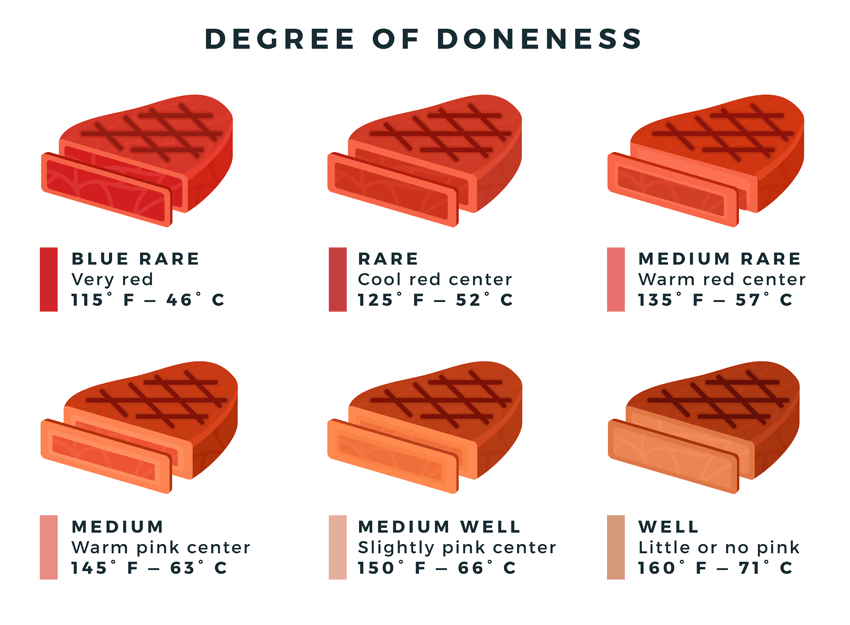
Steaks and burgers need high heat to get a good sear. This locks in juices and adds flavor. Cook steaks to your preferred doneness for the best taste.
Burgers cook faster but still need a hot grill. Check the inside temperature to avoid undercooking or drying them out.
| Food | Grill Temperature | Internal Temperature |
|---|---|---|
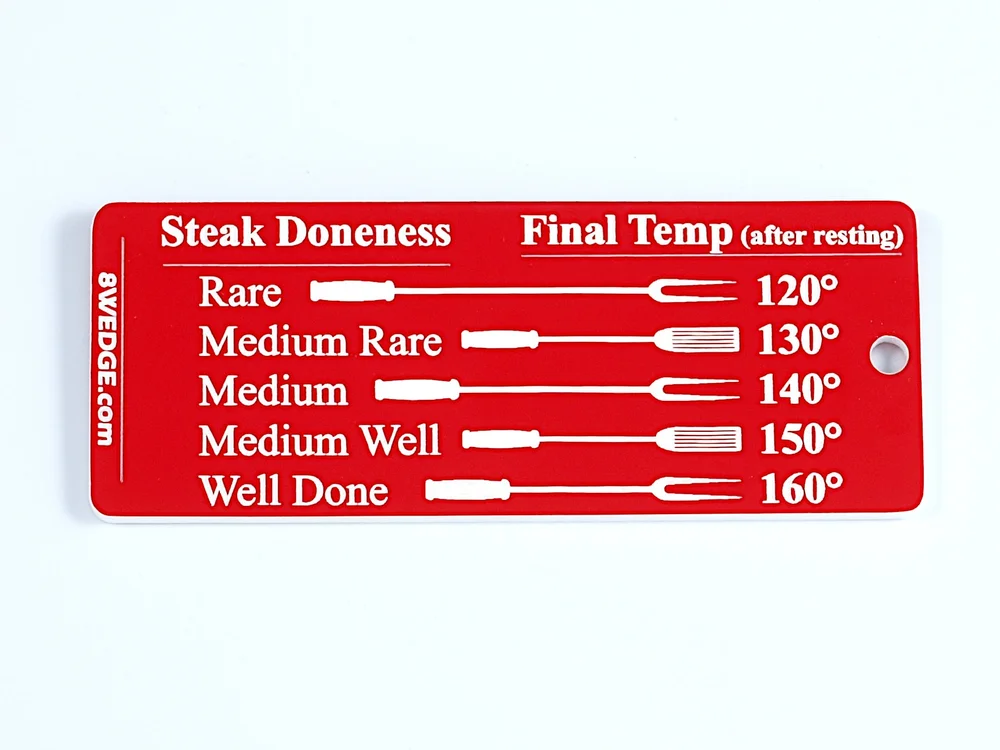
| Steak (Medium Rare) | 450°F – 500°F (High Heat) | 130°F – 135°F |
| Steak (Medium) | 450°F – 500°F (High Heat) | 135°F – 145°F |
| Burgers | 400°F – 450°F (Medium-High Heat) | 160°F |
Chicken And Poultry
Chicken needs to be cooked fully to avoid illness. Use medium heat to cook chicken evenly without burning the outside. Check the inside temperature to be sure.
Whole poultry requires slower cooking at medium heat. This lets the heat reach the center and keeps meat juicy.
| Food | Grill Temperature | Internal Temperature |
|---|---|---|
| Chicken Breast | 350°F – 400°F (Medium Heat) | 165°F |
| Chicken Thighs | 350°F – 400°F (Medium Heat) | 165°F |
| Whole Chicken | 325°F – 375°F (Medium Heat) | 165°F |
Fish And Seafood
Fish and seafood cook quickly. Use medium to medium-high heat to avoid drying out the flesh. Thicker cuts need more time at lower heat.
Check the texture and color to know when fish is done. It should flake easily with a fork.
| Food | Grill Temperature | Internal Temperature |
|---|---|---|
| Salmon | 375°F – 400°F (Medium Heat) | 145°F |
| Shrimp | 400°F – 450°F (Medium-High Heat) | Opaque and firm |
| Scallops | 400°F – 450°F (Medium-High Heat) | Opaque and firm |
Vegetables And Fruits
Vegetables and fruits grill best on medium heat. This cooks them through without burning. Some vegetables need more time than others.
Use direct heat for quick grilling and indirect heat for slow cooking. Brush with oil to prevent sticking and add flavor.
- Bell peppers: 350°F – 400°F, 6-8 minutes
- Asparagus: 375°F – 400°F, 4-6 minutes
- Pineapple slices: 350°F – 400°F, 3-5 minutes
- Zucchini: 350°F – 400°F, 5-7 minutes
Tools To Measure Grill Heat
Measuring the temperature of your gas grill helps you cook food perfectly. Different tools can show you how hot the grill is.
Using the right tool makes grilling easier and safer. Here are some common ways to check grill heat.
Built-in Thermometers
Most gas grills come with built-in thermometers on the lid. They show the air temperature inside the grill.
These thermometers help you keep track of heat without opening the lid. But they may not show the exact cooking surface temperature.
Infrared Thermometers
Infrared thermometers measure surface heat quickly and without contact. You point the device at the grill grates to get a reading.
- Provide instant temperature readings
- Easy to use and safe
- Show exact heat of grill surface
- Battery powered and portable
Hand Test Method
The hand test is a simple way to estimate grill heat without tools. You hold your hand above the grill and see how long you can keep it there.
| Time Hand Held Over Grill | Heat Level |
| 2 seconds or less | High Heat (450°F+) |
| 3 to 4 seconds | Medium Heat (350°F – 450°F) |
| 5 to 6 seconds | Low Heat (250°F – 350°F) |
| More than 6 seconds | Very Low Heat (Below 250°F) |
Tips For Maintaining Consistent Heat
Keeping a steady temperature on your gas grill helps cook food evenly. It prevents burning and undercooking. Follow simple tips to control heat better.
These tips will make grilling easier and improve your cooking results.
Preheating The Grill
Always preheat your gas grill before cooking. Turn all burners on high and close the lid. Let it heat for 10 to 15 minutes.
This warms the grill grates and helps keep the heat steady while cooking.
- Preheat for 10-15 minutes
- Close the lid during preheating
- Check the temperature before adding food
Adjusting Burners
Control the heat by adjusting each burner. Use high heat for searing and low heat for slow cooking. Turn off burners not needed.
Adjusting burners helps keep the grill temperature even. It also saves gas and avoids hot spots.
- Turn burners to high for direct heat
- Set burners low for indirect heat
- Turn off unused burners
Managing Flare-ups
Flare-ups happen when fat drips on the flames. They cause uneven heat and can burn food. Move food away from flare-ups quickly.
Keep a spray bottle of water nearby to control small flames. Clean the grill regularly to reduce fat buildup.
- Move food away from flare-ups
- Use a water spray bottle for small flames
- Clean grill grates and drip trays often
Common Temperature Mistakes
Grilling with a gas grill needs good temperature control. Many people make simple mistakes that change how their food cooks.
Knowing these common errors can help you cook better and avoid burnt or raw meals.
Overcooking And Undercooking
Cooking at the wrong temperature can burn or leave food underdone. Overcooking dries out meat. Undercooking can cause health risks.
- Use a reliable meat thermometer to check doneness.
- Set grill temperature according to the recipe.
- Watch cooking time carefully for each meat type.
- Adjust heat if food cooks too fast or slow.
Ignoring Hot Spots
Gas grills often have hot spots where heat is stronger. Ignoring them causes uneven cooking. Some parts burn while others stay raw.
| Tip | What to Do |
| Find hot spots | Place slices of bread on grill and watch which burn first |
| Move food | Shift meat around the grill to cook evenly |
| Use zones | Set one side of grill hotter for searing, cooler side for slow cooking |
| Clean grill grates | Remove buildup to avoid uneven heat distribution |
Not Letting Meat Rest
Cutting meat right after grilling loses juices and flavor. Resting lets juices spread inside the meat.
- Rest meat for 5 to 10 minutes after cooking.
- Cover loosely with foil to keep warm.
- Do not skip resting, even for small cuts.
- Resting improves tenderness and taste.
Advanced Grilling Techniques
Grilling is more than just cooking over flames. It is about controlling heat and smoke.
Advanced techniques help you cook food evenly and add rich flavors. Learn how to use your gas grill smarter.
Indirect Cooking
Indirect cooking means placing food away from direct heat. This lets food cook slowly and stay juicy.
Use indirect heat for large or tough cuts like whole chickens or ribs. It prevents burning outside while inside cooks fully.
Two-zone Fire Setup
Create two heat zones on your grill: one hot and one cooler. This method gives you control over cooking speed.
- Turn on burners on one side only for direct heat.
- Leave the other side off for indirect heat.
- Start cooking on the hot side to sear food.
- Move food to the cooler side to finish cooking slowly.
Using A Smoker Box
A smoker box adds smoky flavor by holding wood chips over the heat source. It works well with gas grills.
| Wood Type | Flavor | Best For |
| Hickory | Strong, bacon-like | Pork, ribs |
| Apple | Mild, sweet | Chicken, fish |
| Mesquite | Bold, earthy | Beef, game |

Credit: www.jamtkrogen.com
Frequently Asked Questions
What Is The Ideal Temperature For Gas Grilling?
The ideal gas grill temperature varies by food type. Generally, 350-450°F suits most grilling needs. High heat (450-550°F) sears steaks, while low heat (250-300°F) is perfect for slow cooking.
How Do I Control Temperature On A Gas Grill?
Control gas grill temperature by adjusting burner knobs. Turn burners higher for more heat, lower for less. Use the grill lid to retain or release heat effectively.
Why Is A Gas Grill Temperature Chart Useful?
A temperature chart helps cook food perfectly by guiding heat levels. It ensures proper cooking times and prevents undercooking or burning. It’s essential for consistent grilling results.
What Temperature Cooks Chicken Safely On A Gas Grill?
Chicken should be cooked at 165°F internally for safety. Use medium heat (350-375°F) to cook chicken evenly without drying it out. Always check with a meat thermometer.
Conclusion
A gas grill temperature chart helps you cook food just right. It shows the best heat for grilling different items. Knowing these temperatures saves time and keeps food tasty. You can avoid burning or undercooking your meals. Keep the chart nearby when you grill outside.
Practice makes grilling easier and more fun. Use the chart as a quick guide every time. Enjoy your cooking with confidence and great results.