
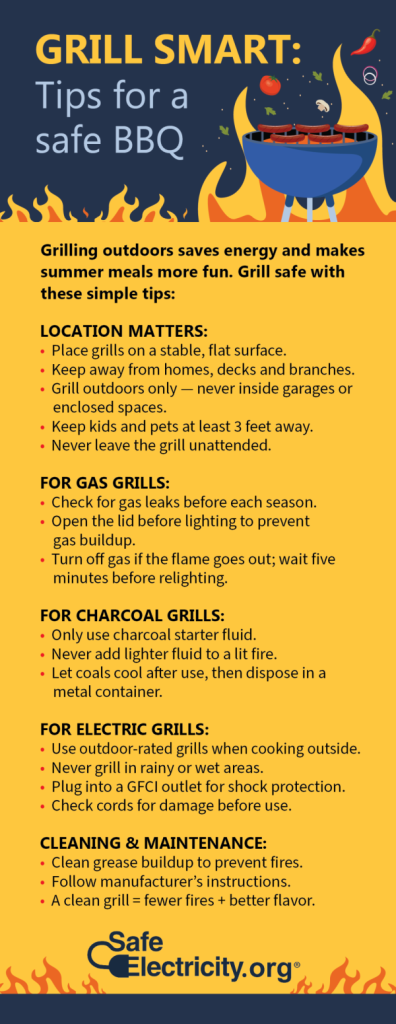
Are you ready to fire up your gas grill but worried about safety? You’re not alone.
Using a gas grill can be simple and fun, but without the right precautions, it can also be risky. Imagine enjoying a perfect barbecue without any accidents or worries. That’s exactly what this guide will help you achieve. Keep reading to discover easy, practical gas grill safety tips that protect you, your family, and your home—so every cookout is a safe and tasty success.
Choosing The Right Grill
Picking a safe gas grill helps keep your cooking area secure. It also ensures you enjoy grilling without worries.
Knowing what to look for can make finding the right grill easier and safer for your home.
Selecting Quality Materials
Look for grills made with strong and weather-resistant materials. Stainless steel is a good choice because it lasts longer and resists rust.
- Check if the grill body is stainless steel or cast aluminum
- Avoid grills with thin metal that can warp or crack
- Choose grills with sturdy legs or stands for stability
- Look for heat-resistant knobs and handles
Checking Safety Certifications
Safety certifications show the grill meets important safety rules. Always check for these marks before buying.
| Certification | What It Means |
| CSA | Tested for safety and performance in North America |
| UL | Meets strict safety standards for electrical and gas products |
| ETL | Verified compliance with safety requirements |
Proper Installation
Installing your gas grill correctly is very important for safety. Proper setup helps prevent accidents and ensures the grill works well.
Follow basic rules and tips to place and ventilate your grill safely before using it.
Positioning The Grill Safely
Place the grill on a flat, stable surface outdoors. Keep it away from anything that can catch fire easily.
- Keep the grill at least 10 feet from your house or any building.
- Do not place the grill under low roofs or overhangs.
- Keep it away from trees, bushes, or dry leaves.
- Make sure children and pets stay clear of the grill area.
- Use a fire-resistant mat if placing on a wooden deck.
Ensuring Adequate Ventilation
Good airflow is essential to avoid gas buildup and fire hazards. Always use the grill in open or well-ventilated spaces.
| Ventilation Tip | Why It Matters |
| Use outdoors only | Prevents gas buildup inside |
| Open area free from obstructions | Allows fresh air to flow |
| Check for wind direction | Keeps smoke away from you |
| Do not block vents on grill | Ensures proper gas flow |
Routine Maintenance
Keeping your gas grill safe starts with regular care. Routine maintenance helps prevent problems. It also improves grilling performance and extends the grill’s life.
Two key areas to focus on are cleaning burners and grates, and inspecting gas lines and connections. These tasks reduce fire risks and gas leaks.
Cleaning Burners And Grates
Cleaning burners and grates removes grease and food bits. This stops flare-ups and keeps heat even. Clean parts also last longer.
- Turn off the gas and cool the grill.
- Remove the grates and burners carefully.
- Scrub grates with a grill brush or soapy water.
- Use a soft brush to clean burner holes gently.
- Check for rust or damage and replace parts if needed.
- Reassemble the grill and test it before use.
Inspecting Gas Lines And Connections
Gas lines and connections must be tight and leak-free. Check them often to avoid gas leaks. Leak tests are simple and safe to do.
| Inspection Task | What to Look For | Action Needed |
|---|---|---|
| Check hoses for cracks or holes | Visible damage or wear | Replace damaged hoses |
| Tighten all gas connections | Loose fittings or connections | Use a wrench to secure |
| Perform a soap bubble test | Bubbles forming around connections | Fix leaks immediately |
| Inspect regulator and valves | Signs of rust or damage | Replace faulty parts |

Credit: www.usafireprotectioninc.com
Safe Operation Practices
Using a gas grill safely helps prevent accidents and injuries. Follow simple rules to keep your grilling safe and enjoyable.
Check your grill often and use it in a clear, open space. Keep children and pets away while cooking.
Lighting The Grill Correctly
Always open the lid before lighting the grill. This stops gas from building up inside and causing a flare-up.
Use the grill’s ignition button or a long match to light the burners safely. Avoid using short matches or lighters.
- Open the lid before lighting
- Turn on gas and ignite burners
- If the grill does not light, turn off gas and wait five minutes before trying again
Avoiding Flare-ups
Flare-ups happen when fat drips on the flames. They can cause burns or fires if not controlled.
Keep your grill clean and trim extra fat from meat. Control flare-ups by moving food to cooler parts of the grill.
- Clean grill grates regularly
- Trim fat from meats before cooking
- Use a spray bottle with water to calm small flare-ups
- Move food away from flames if flare-ups occur
Using Tools Safely
Use long-handled tools to keep your hands away from the heat. This helps avoid burns and accidents.
Wear heat-resistant gloves and avoid loose clothing that might catch fire. Keep tools clean and in good condition.
- Use long-handled tongs and spatulas
- Wear heat-proof gloves
- Keep tools clean and dry
- Do not leave tools on hot grill surfaces
Storage And Handling Of Gas
Gas grills use propane tanks that need careful handling. Safe storage and transport prevent accidents.
Follow simple rules to keep propane tanks secure. Learn how to move cylinders without risk.
Storing Propane Tanks Securely
Store propane tanks in a cool, dry place outside your home. Keep them away from heat sources.
- Place tanks upright on a flat surface.
- Keep tanks at least 10 feet from buildings.
- Do not store tanks in basements or garages.
- Check tanks regularly for leaks or damage.
- Use a cage or locked area to prevent tampering.
Transporting Gas Cylinders Safely
Carry gas cylinders upright and secure them in your vehicle. Avoid rolling or dropping tanks.
| Action | Tip |
| Position | Keep tank upright during transport |
| Secure | Use straps or blocks to stop movement |
| Ventilation | Open windows for fresh air |
| Check Valve | Close valve tightly before moving |

Credit: phvfd227.com
Emergency Preparedness
Using a gas grill can be safe if you prepare for emergencies. Knowing what to do can stop accidents.
This guide covers key steps to handle gas grill emergencies quickly and safely.
Recognizing Gas Leaks
A gas leak can cause fires or explosions. You must spot leaks early to stay safe.
Look for these signs of a gas leak near your grill:
- A strong smell like rotten eggs or sulfur
- Hissing sound near gas lines or connections
- Dead or brown grass around the gas tank
- Difficulty lighting the grill or flame that goes out
Using Fire Extinguishers
Always keep a fire extinguisher near your grill. It helps stop small fires fast.
Use a class B or multipurpose extinguisher for gas fires. Follow these rules:
- Pull the pin to unlock the extinguisher
- Aim the nozzle at the fire base, not the flames
- Squeeze the handle to release the agent
- Sweep the nozzle side to side until fire stops
Emergency Shut-off Procedures
Knowing how to shut off your gas supply can prevent big accidents. Act fast if you smell gas.
Follow these steps to shut off your gas grill safely:
- Turn off the grill knobs to stop the gas flow
- Close the valve on the propane tank or gas line
- Move away from the grill area quickly
- Do not use electrical switches or phones near a leak
Protective Gear And Environment
Safety is very important when using a gas grill. Wearing the right clothes and watching the area around the grill can stop accidents.
This guide helps you stay safe by focusing on protective gear and keeping the environment safe.
Wearing Appropriate Clothing
Wear clothes that protect you from heat and fire. Avoid loose sleeves that can catch fire. Use gloves made for grilling to protect your hands.
- Wear long sleeves made of cotton or fire-resistant fabric
- Avoid synthetic materials that melt easily
- Use heat-resistant gloves when handling hot parts
- Wear closed-toe shoes to protect your feet
- Tie back long hair to keep it away from flames
Keeping Children And Pets Safe
Keep children and pets away from the grill area to avoid burns or accidents. Make a safe zone around the grill and teach kids about grill dangers.
| Safety Tip | Why It Matters |
| Set a 3-foot safe zone around the grill | Prevents burns and accidental contact with hot surfaces |
| Keep pets outside the safe zone | Stops pets from tripping or getting burned |
| Never leave the grill unattended with children nearby | Reduces risk of accidents and injuries |
| Store grilling tools out of children’s reach | Prevents cuts or burns |
Credit: propanect.com
Frequently Asked Questions
How Do I Check For Gas Leaks On My Grill?
To check for leaks, mix soap and water, then apply it to connections. Look for bubbles indicating leaks. Always check before lighting the grill.
What Is The Safest Way To Light A Gas Grill?
Open the lid before lighting to prevent gas buildup. Turn on the gas, then ignite with the grill’s starter or a long lighter.
How Often Should I Clean My Gas Grill?
Clean your grill after every use to prevent grease buildup. Deep clean at least twice a year for safety and performance.
Can I Use A Gas Grill Indoors Safely?
No, gas grills produce carbon monoxide and must be used outdoors only. Using indoors risks serious health hazards and fire.
Conclusion
Gas grills bring great flavor and fun to outdoor cooking. Keep safety in mind with regular checks and careful use. Always watch for gas leaks and keep the grill clean. Use the grill in open spaces to avoid dangers. Stay alert and follow simple steps to protect yourself and others.
Safe grilling means more time enjoying tasty meals with family and friends. Remember, safety first makes every cookout better and worry-free.