

You love the convenience and flavor that a gas grill brings to your meals. But did you know that without regular care, your grill can lose its spark fast?
Taking simple steps to maintain your gas grill can save you money, extend its life, and keep every cookout tasting perfect. You’ll discover easy, practical tips to keep your grill in top shape. Stick with me, and you’ll never have to worry about flare-ups, uneven heating, or stubborn grease again.
Ready to become a grill master in maintenance? Let’s dive in!
Choosing The Right Grill
Picking the right gas grill makes cooking easier and fun. It saves time and keeps your food tasty.
There are many grills to choose from. Knowing the types and features helps you decide well.
Types Of Gas Grills
Gas grills come in different styles to fit your space and cooking needs. Each type has good points.
- Portable grills are small and light. They work well for camping or small patios.
- Cart grills have wheels and storage. They fit medium spaces and offer good cooking area.
- Built-in grills are fixed in outdoor kitchens. They look neat and last long.
- Infrared grills use special heat for fast cooking. They save fuel and keep food juicy.
Key Features To Consider
Look for features that match your cooking style. Good features improve safety and ease of use.
- Burner count affects how much you can cook at once.
- Material quality, like stainless steel, means longer life.
- Heat control helps cook food evenly and avoid burning.
- Easy cleaning parts save time and keep the grill safe.
- Fuel type and size affect how long you can grill without refilling.
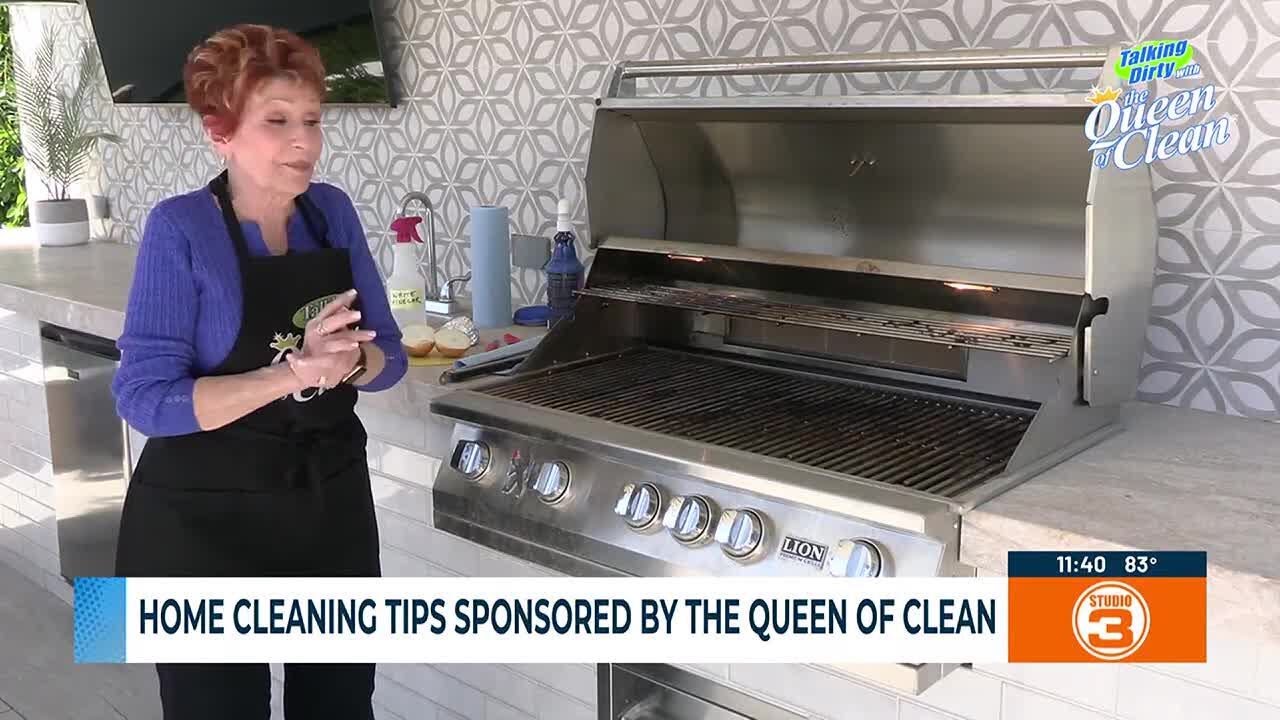
Credit: www.youtube.com
Daily Cleaning Habits
Cleaning your gas grill every day keeps it working well. Daily care stops grease and dirt from building up.
Simple cleaning tasks can help your grill last longer and cook better food.
Wiping Down Surfaces
After each use, wipe the grill’s surfaces with a damp cloth. This removes food bits and grease.
Use warm water and mild soap for tougher spots. Avoid harsh chemicals that can damage the finish.
- Clean the grill lid, side shelves, and control knobs
- Wipe the cooking grates after they cool down
- Dry all surfaces to prevent rust
Emptying Grease Traps
Grease traps collect fat and juices from cooking. Empty them daily to avoid clogs and fires.
Remove the trap carefully. Pour out the grease and clean it with hot soapy water.
- Check the grease trap after each grilling session
- Use gloves to avoid contact with hot grease
- Make sure the trap is fully dry before placing it back
Deep Cleaning Steps
Cleaning your gas grill regularly keeps it working well and safe to use.
Deep cleaning removes grease, food bits, and rust that build up over time.
Burner Cleaning Techniques
Turn off the gas and remove the grill grates to access the burners.
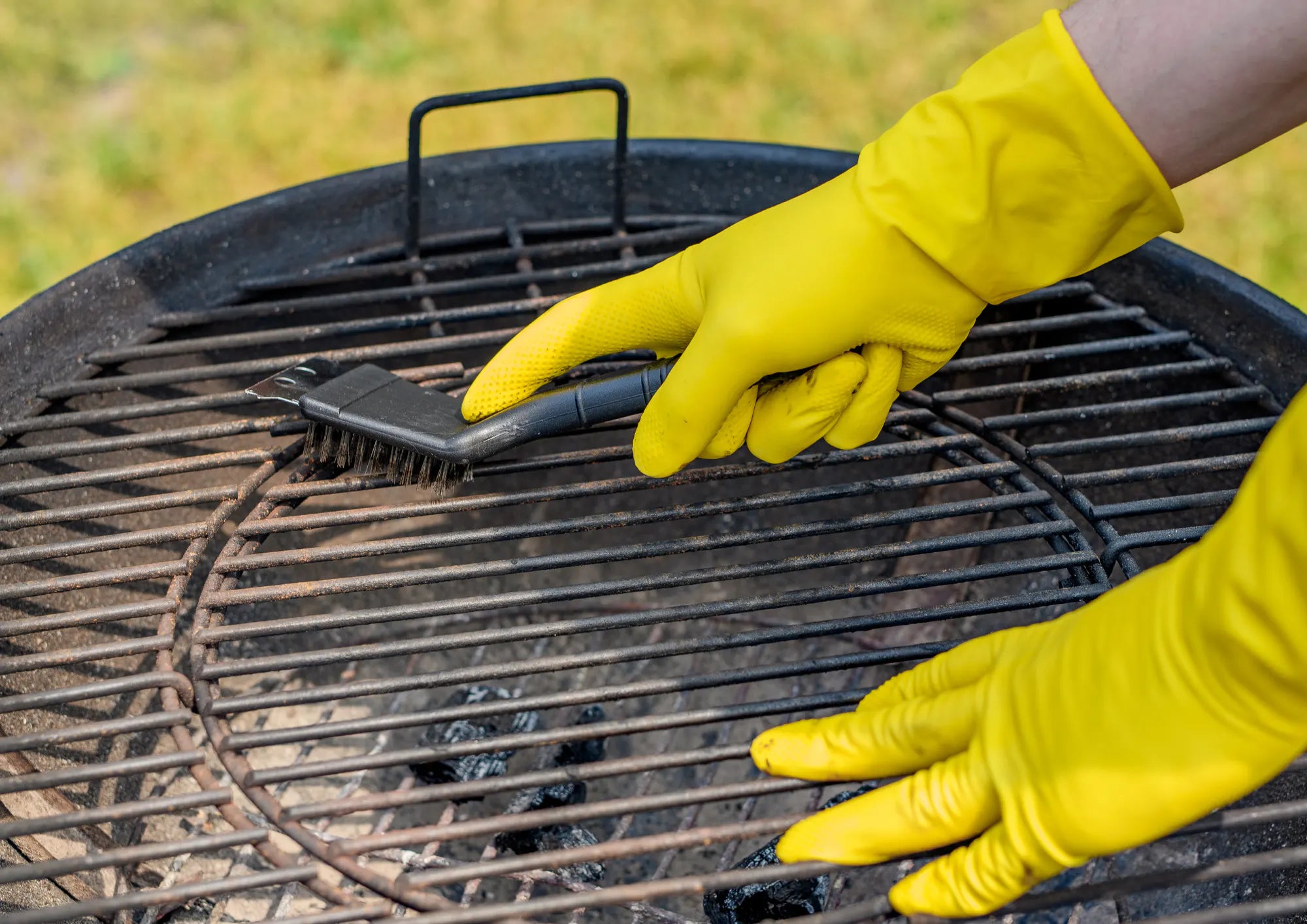
Use a wire brush to clear clogged burner holes and remove rust or dirt.
- Check the burner tubes for holes or cracks.
- Use a thin wire or pipe cleaner to clear each burner hole.
- Wipe the burners with a damp cloth after brushing.
- Reinstall the burners carefully after cleaning.
Grate Maintenance
Grates hold the food, so keep them clean to prevent sticking and flare-ups.
| Cleaning Method | How to Do It |
| Burn Off | Turn grill on high for 15 minutes to burn residue. |
| Wire Brush | Scrub grates with a stiff wire brush after cooling down. |
| Soaking | Soak grates in warm soapy water for 30 minutes, then scrub. |
| Rinse and Dry | Rinse grates well and dry before placing back on grill. |
Cleaning The Flavorizer Bars
Flavorizer bars catch drips and add smoky flavor but get very dirty.
To clean flavorizer bars:
- Remove the bars from the grill carefully.
- Scrape off food bits with a plastic scraper.
- Soak in warm, soapy water for 20 minutes.
- Use a sponge or cloth to wipe off grease.
- Rinse with clean water and dry fully before reinstalling.
Credit: themeatstick.com
Inspecting Grill Components
Keeping your gas grill in good shape starts with regular checks. Inspecting grill parts helps keep you safe.
Look closely at key components before each use. This stops problems and keeps grilling smooth.
Checking Gas Connections
Check the gas tank valve and connections for tightness. Loose fittings can cause dangerous leaks.
Use soapy water on connections. Bubbles mean a gas leak is present and needs fixing.
- Turn off gas before inspecting
- Apply soapy water to all joints
- Watch for bubbles forming
- Tighten or replace any loose parts
Examining Igniters
Test the igniter button for a quick spark. A weak or no spark means cleaning or replacement is needed.
Look for dirt or rust around the igniter area. Clean gently with a soft brush to improve performance.
- Press the igniter and listen for clicks
- Clean debris off the igniter tip
- Replace the igniter if it does not spark
Assessing Hoses For Leaks
Check hoses for cracks, holes, or wear. Damaged hoses can leak gas and cause accidents.
Run soapy water along the hose while gas is on. Look for bubbles showing leaks along the hose.
- Inspect hoses for cracks or brittleness
- Apply soapy water and watch for bubbles
- Replace hoses with any leaks or damage
- Keep hoses away from hot grill parts
Seasonal Maintenance Tips
Taking care of your gas grill during seasonal changes keeps it working well. Proper maintenance prevents damage and extends the grill’s life. Follow simple steps to prepare your grill for storage and restart it after the off-season.
These tips focus on cleaning, protecting, and checking your grill. Doing this work helps you enjoy safe and tasty grilling all year long.
Preparing For Storage
Before storing your gas grill for the season, clean it thoroughly. Remove grease and food particles to avoid rust and pests. Protect the grill from weather damage with a cover or storage shed.
- Turn off the gas supply and disconnect the propane tank.
- Clean grill grates with a wire brush and warm soapy water.
- Empty and clean the grease tray to prevent buildup.
- Wipe down the exterior with a mild detergent and dry well.
- Store the grill in a dry, sheltered area or use a weatherproof cover.
- Check hoses and connections for cracks or leaks and replace if needed.
Restarting After Off-season
When you use your grill again after storage, inspect it carefully. Check all parts for damage or wear. Clean the grill to remove dust or spider webs. Test the gas flow and ignition system before cooking.
| Task | Details |
| Check propane tank | Look for dents, rust, or leaks. Replace if damaged. |
| Inspect hoses | Ensure no cracks or blockages. Replace if needed. |
| Clean burners | Use a brush to clear clogs and debris. |
| Test ignition | Light grill to confirm spark and flame. |
| Perform a leak test | Apply soapy water to connections. Look for bubbles. |
Credit: propanect.com
Troubleshooting Common Issues
Gas grills sometimes face problems that affect cooking. Fixing these issues keeps your grill working well.
Below are simple tips to solve common gas grill problems fast and safely.
Uneven Heating Solutions
Uneven heat on your grill can cause food to cook poorly. This happens when burners or heat shields are dirty or broken.
- Clean burner tubes to remove blockages.
- Check if heat shields are rusted or warped; replace if needed.
- Ensure burners are correctly aligned and fully seated.
- Keep the grill lid closed during cooking to keep heat even.
Ignition Problems Fixes
Ignition issues stop your grill from lighting. The cause can be old batteries or dirty igniters.
| Problem | Cause | Solution |
| Click but no spark | Dead battery | Replace battery in igniter |
| No clicking sound | Loose wiring | Check and reconnect wires |
| Sparks but no flame | Blocked burner ports | Clean burner holes carefully |
Handling Gas Flow Issues
Gas flow problems cause weak or no flame. They come from leaks, clogged valves, or empty tanks.
Check your gas flow by following these steps:
- Turn off the gas and disconnect the tank.
- Inspect hoses for cracks or holes.
- Use soapy water on connections; bubbles mean leaks.
- Clear any dirt or spider webs from valves and regulators.
- Replace the gas tank if it is empty or damaged.
Safety Practices
Gas grill safety is very important to avoid accidents. Following safety tips helps protect you and your home.
Learn how to handle gas, ventilate properly, and prevent fires while using your grill.
Safe Gas Handling
Always check your gas connections before lighting the grill. Use soapy water to find leaks.
- Turn off the gas supply when not in use.
- Store propane tanks upright and outside.
- Do not use damaged hoses or fittings.
- Keep the gas tank away from heat sources.
Proper Ventilation
Use your gas grill only in open areas. Proper airflow prevents dangerous gas buildup.
| Location | Ventilation Tip |
|---|---|
| Outdoor Patio | Ensure no walls block airflow. |
| Balcony | Keep grill away from enclosed spaces. |
| Garage | Avoid grilling inside or near garage doors. |
Fire Prevention Measures
Keep a fire extinguisher nearby. Clear the area of flammable materials.
- Check for grease buildup and clean regularly.
- Never leave the grill unattended while on.
- Use long-handled tools to avoid burns.
- Turn off burners and gas supply after grilling.
Upgrading And Replacing Parts
Keeping your gas grill in good shape helps it work well for years. Sometimes, you need to replace parts that wear out.
Upgrading parts can improve your grill’s performance and make cooking easier.
When To Replace Burners
Burners heat the grill and cook your food. They wear out over time from heat and rust.
Replace burners if you see uneven flames or rust holes. This stops flare-ups and keeps heat steady.
- Flames are weak or uneven
- Burners have rust or holes
- Food cooks unevenly
- Burners are hard to clean
Upgrading Grill Accessories
New grill accessories add convenience and fun to cooking. You can upgrade parts like grates, shelves, and ignition systems.
Better accessories help you cook faster and keep the grill cleaner.
- Cast iron grates for better heat retention
- Side shelves for extra workspace
- Electronic ignition for easy starts
- Rotisserie kits for roasting
Frequently Asked Questions
How Often Should I Clean My Gas Grill?
You should clean your gas grill after every use to maintain its performance. Regular cleaning helps prevent food residue buildup and rust. Deep cleaning should be done every few months, depending on usage frequency. This ensures longevity and efficiency of your grill, keeping it in top condition.
What Tools Are Needed For Gas Grill Maintenance?
Essential tools for gas grill maintenance include a grill brush, soapy water, and a sponge. A wire brush is useful for scraping off residue. Additionally, a putty knife helps remove stubborn debris. Ensure you have a microfiber cloth for final polishing to keep your grill shining.
Can I Use Vinegar To Clean My Gas Grill?
Yes, vinegar is an effective and natural cleaner for grills. Mix equal parts of vinegar and water in a spray bottle. Apply the solution to grill surfaces and let it sit for 10 minutes. Wipe with a cloth for a clean, shiny finish.
It’s safe and eco-friendly.
How Do I Prevent Rust On My Grill?
To prevent rust, keep your grill covered when not in use. Clean it regularly and apply a thin coat of vegetable oil after cleaning. This creates a protective barrier against moisture. Store your grill in a dry place, especially during winter months, to prolong its lifespan.
Conclusion
Keeping your gas grill clean helps it work better and last longer. Regular checks stop small problems from growing. Clean the grates and burners after each use. Check gas lines for leaks often. Store the grill covered to protect from weather.
A well-maintained grill makes cooking safer and more fun. Take a little time for care, and enjoy tasty meals all season. Simple steps make a big difference in grill performance. Your grill will thank you with every cookout.