
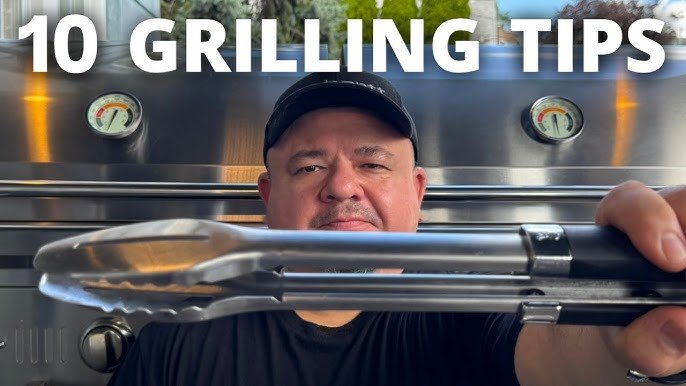
Ready to fire up your gas grill but not sure where to start? You’re in the right place.
Grilling can seem tricky at first, but with the right tips, you’ll be cooking juicy, flavorful meals in no time. Imagine impressing your friends and family with perfectly grilled steaks, veggies, or burgers every time. This guide will give you simple, easy-to-follow advice that takes the guesswork out of grilling.
Stick with me, and you’ll soon feel confident and excited to master your gas grill like a pro. Let’s get started!
Choosing The Right Gas Grill
Picking the right gas grill is key for good cooking. It helps you cook tasty meals safely and easily.
There are many types and features to consider. Knowing these helps you find the best grill for your needs.
Types Of Gas Grills
Gas grills come in different styles. Each type fits different cooking needs and spaces.
- Portable grills are small and easy to move. Good for picnics or small patios.
- Freestanding grills are larger and stand alone. Best for big backyards and regular use.
- Built-in grills fit into outdoor kitchens. They look neat and save space.
- Side burner grills have extra burners. Good for cooking side dishes outdoors.
Key Features To Look For
Some features make grilling easier and safer. Look for these when choosing a gas grill.
- Number of burners controls cooking zones.
- Temperature gauges help monitor heat.
- Easy ignition starts the grill quickly.
- Side shelves give extra workspace.
- Warming racks keep food warm without burning.
- Grease management systems reduce mess and fire risk.
Budget Considerations
Grills come in many price ranges. Think about how much you want to spend before buying.
Higher-priced grills often have better materials and features. Cheaper grills can still work well for beginners.
- Basic models suit casual use and small budgets.
- Mid-range grills offer more cooking space and durability.
- Premium grills include advanced features and long warranties.
- Remember to include cost of propane and accessories.

Credit: therecipecritic.com
Setting Up Your Grill
Setting up your gas grill correctly helps you cook safely and enjoy tasty food. This guide covers the basics for beginners.
Follow these tips to install and prepare your grill before cooking your first meal.
Safe Installation Tips
Choose a flat, stable surface for your grill. Keep it away from walls, overhangs, and flammable objects. Make sure the area is well-ventilated to avoid gas buildup.
- Place grill at least 10 feet from buildings
- Do not use indoors or in enclosed spaces
- Check for gas leaks before lighting
- Keep a fire extinguisher nearby
Connecting The Propane Tank
Attach the propane tank securely to the grill. Use a wrench to tighten the connection. Open the tank valve slowly to prevent leaks.
| Check | Action |
| Hose | Inspect for cracks or damage |
| Connection | Hand-tighten then use wrench |
| Leak Test | Apply soapy water; look for bubbles |
| Valve | Open slowly and listen for leaks |
Initial Cleaning And Seasoning
Clean your grill before use. Remove dust and oil from the factory. Season the grates to create a non-stick surface.
- Wash grates with warm, soapy water
- Rinse and dry completely
- Preheat grill to high for 15 minutes
- Brush grates with cooking oil using a cloth
- Let cool before cooking
Mastering Temperature Control
Temperature control is key to cooking great food on a gas grill. Knowing how to manage heat helps you cook meat evenly and avoid burning.
Beginners should learn to use the grill’s features to keep the right temperature. This guide explains how to control heat well.
Using The Built-in Thermometer
The built-in thermometer shows the inside temperature of your grill. It helps you check if the grill is too hot or too cool.
Always watch the thermometer before you start cooking. Adjust the burners to reach the temperature your recipe needs.
Direct Vs Indirect Heat
Direct heat means cooking food right over the flame. It is good for fast cooking like burgers and steaks.
Indirect heat means cooking food away from the flame. Use this method for slow cooking and larger cuts of meat.
- Direct heat: place food on hot burner
- Indirect heat: turn off one burner and cook on the other side
- Use a drip pan under food with indirect heat
Managing Flare-ups
Flare-ups happen when fat drips on the flames. They cause sudden flames that can burn your food.
To control flare-ups, move food away from flames. Keep a spray bottle of water nearby to put out small fires.
- Trim excess fat from meat before grilling
- Keep lid open during flare-ups to avoid smoke
- Clean grill grates to reduce fat build-up

Credit: www.youtube.com
Essential Cooking Techniques
Using a gas grill is a great way to cook tasty meals outdoors. Learning key techniques helps you cook food evenly and safely.
This guide covers the basics of preheating, grilling meats, and cooking vegetables and seafood.
Preheating The Grill
Always preheat your gas grill before cooking. This ensures even heat and helps prevent sticking.
- Turn on the grill and set it to high heat.
- Close the lid and let it heat for 10 to 15 minutes.
- Clean the grates with a grill brush after preheating.
- Adjust the temperature to suit your recipe after preheating.
Grilling Different Types Of Meat
Different meats need different grill times and temperatures. Use a meat thermometer to check doneness.
| Meat Type | Grill Temperature | Internal Temperature | Tips |
| Steak | High (450°F – 550°F) | 130°F for medium-rare | Let rest 5 minutes before cutting |
| Chicken | Medium (350°F – 450°F) | 165°F | Cook with lid closed |
| Pork Chops | Medium-high (375°F – 450°F) | 145°F | Marinate for extra flavor |
| Ground Beef | Medium-high (375°F – 450°F) | 160°F | Flatten patties evenly |
Cooking Vegetables And Seafood
Vegetables and seafood cook quickly on a gas grill. Use indirect heat for delicate items.
- Brush vegetables with oil to avoid sticking.
- Use foil or grill baskets for small vegetables.
- Grill seafood like fish and shrimp over medium heat.
- Watch seafood closely to prevent overcooking.
- Turn items once during cooking for even grill marks.
Tools And Accessories
Using the right tools makes gas grill cooking easier and safer. Beginners benefit from simple accessories that help control heat and handle food.
This guide covers key tools and accessories to improve your grilling experience. Focus on items that add convenience and improve cooking results.
Must-have Bbq Tools
Basic tools help you manage food and fire on a gas grill. Look for sturdy, heat-resistant items that fit your hand well.
- Tongs with long handles for safe flipping and moving
- Spatula with a wide blade to lift burgers and fish
- Grill brush for cleaning grates before and after cooking
- Heat-resistant gloves to protect your hands from burns
- Basting brush for applying sauces evenly
Using Grill Baskets And Mats
Grill baskets hold small or delicate foods that might fall through the grill. They make cooking veggies, seafood, and chopped items easier.
Grill mats create a non-stick surface and help keep the grill clean. They allow even heat distribution and prevent flare-ups from dripping fat.
- Choose baskets with handles for safe lifting
- Use mats made from heat-resistant, food-safe materials
- Both baskets and mats can be cleaned in warm, soapy water
Thermometers And Timers
Thermometers help you check the internal temperature of your food. This ensures it is cooked safely and tastes good.
Timers keep track of cooking time so you do not overcook or burn your food. They are easy to use and improve grilling accuracy.
- Use a digital instant-read thermometer for quick checks
- Consider a probe thermometer for monitoring while cooking
- Set a timer for each type of food you grill
Cleaning And Maintenance
Keeping your gas grill clean helps it work better and last longer. Dirt and grease can build up fast. Regular cleaning stops damage and keeps food tasting good.
Learn simple cleaning and care tips. These will protect your grill and make cooking safer and easier.
Post-cooking Cleaning Routine
Clean your grill right after cooking. This stops food and grease from hardening. Use a grill brush to scrape off leftover bits on the grates while the grill is still warm.
Empty the grease tray often to avoid spills. Wipe down the outside of the grill with a damp cloth. This keeps dirt from building up on the surface.
- Brush grill grates to remove food scraps
- Empty and clean the grease tray
- Wipe the grill’s exterior with a damp cloth
- Close the lid to keep dust out
Deep Cleaning Tips
Deep clean your grill every few months. Turn off the gas and disconnect the propane tank first. Remove the grates and burner covers for washing.
Soak the parts in warm, soapy water. Use a sponge or brush to scrub grease and grime. Clean inside the grill body with a scraper and brush. Rinse all parts well and dry before reassembling.
- Turn off gas and disconnect propane
- Remove and soak grates and burner covers
- Scrub grill parts with warm, soapy water
- Clean inside grill with scraper and brush
- Rinse and dry all parts before putting back
Preventing Rust And Damage
Rust can damage your grill and affect taste. Keep the grill dry and cover it when not in use. Check for rust spots and clean them quickly with a wire brush.
Use cooking oil on the grates to stop rust. Avoid using harsh chemicals that can harm metal parts. Store your grill in a dry place during winter or long breaks.
- Keep the grill dry after cleaning
- Cover grill with a weatherproof cover
- Remove rust with a wire brush promptly
- Oil grates lightly to protect metal
- Store grill indoors or in dry area during off-season
Troubleshooting Common Issues
Cooking on a gas grill is fun but sometimes problems happen. Knowing how to fix them helps you cook better.
This guide covers common issues like uneven heat, ignition troubles, and gas leaks.
Uneven Heat Spots
Uneven heat spots make food cook too fast in some places and too slow in others. This happens when burners or heat shields have dirt or damage.
- Clean burners and heat shields often to remove grease and debris.
- Check if burners have holes blocked by dirt or spider webs.
- Move food around to avoid hot spots.
- Use a grill mat or stone to spread heat evenly.
Ignition Problems
The grill may not light if the ignition system has issues. This can be caused by dead batteries or dirty igniters.
| Common Cause | How to Fix |
| Dead battery | Replace the battery in the igniter button |
| Dirty igniter | Clean the igniter with a brush or cloth |
| Loose wire | Check and reconnect any loose wires |
| Gas flow blocked | Make sure the gas supply valve is open |
Gas Leaks And Safety Checks
Gas leaks are dangerous. Check your grill before use to keep safe. Use these steps to find leaks and keep your grill working well.
- Turn off the gas supply.
- Mix soap and water in a spray bottle.
- Spray the mixture on gas connections and hoses.
- Look for bubbles forming, which means a leak.
- Tighten connections or replace damaged parts if you find leaks.
- Never use a grill if you smell gas.
Credit: sydbbqs.com.au
Frequently Asked Questions
How Do I Light A Gas Grill Safely?
To light a gas grill safely, first open the lid. Turn on the gas supply and press the ignition button. If it doesn’t ignite, turn off gas and wait five minutes before trying again. Always follow the manufacturer’s instructions for your specific grill model.
What Temperature Is Best For Grilling Meat?
For grilling meat, medium-high heat between 375°F and 450°F works best. This range cooks meat evenly without burning the outside. Use a grill thermometer to monitor temperature. Adjust the flame as needed to maintain consistent heat throughout cooking.
How Often Should I Clean My Gas Grill?
Clean your gas grill after every 5-6 uses to maintain performance. Scrape the grates with a grill brush while warm. Empty the grease tray regularly to prevent flare-ups. Deep clean the grill seasonally, including burners and drip pans, for safety and longevity.
Can I Cook Vegetables On A Gas Grill?
Yes, you can cook vegetables on a gas grill. Use medium heat and grill vegetables like peppers, zucchini, and mushrooms. Brush them with oil and season before grilling. Use a grill basket to prevent small pieces from falling through the grates.
Conclusion
Grilling with a gas grill can be easy and fun. Start with clean grill grates and preheat well. Use simple tools and keep safety in mind. Control the heat to cook food evenly and avoid burning. Try different recipes to find what you like best.
Practice often to build confidence and skill. Enjoy tasty meals with family and friends. Cooking outside brings joy and good memories. Keep these tips handy for your next barbecue. Grill smart and enjoy every bite.