

Imagine grilling your favorite meals without smoke filling the air or leaving a mess behind. What if your backyard gatherings could be cleaner, healthier, and more enjoyable?
The future of smokeless grills is about to change how you cook and entertain. You’ll discover new technology that makes grilling easier and more fun, all while keeping your space fresh and comfortable. Ready to see what’s next for your grilling experience?
Keep reading, because what’s coming will transform the way you fire up your grill forever.
Credit: www.amazon.com
Rise Of Smokeless Grills
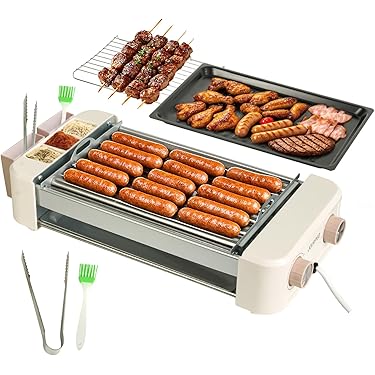
Smokeless grills are gaining popularity in many homes. They offer a clean and easy way to enjoy grilled food without smoke.
These grills use new technology to reduce smoke and keep the air clean. Many people find them useful for indoor and outdoor cooking.
Changing Bbq Trends
People want healthier and cleaner ways to cook outdoors. Smokeless grills fit this need well. They also save time on cleaning.
- Less smoke means better air quality during cooking
- Electric and infrared options are becoming common
- More users cook indoors with smokeless grills
- Grilling is now possible in small spaces and apartments
Environmental Impact
Smokeless grills help reduce air pollution. They produce fewer harmful gases than traditional charcoal grills.
| Grill Type | Smoke Emission | Fuel Type | Carbon Footprint |
|---|---|---|---|
| Traditional Charcoal | High | Charcoal | High |
| Gas Grill | Moderate | Propane/Natural Gas | Moderate |
| Smokeless Grill | Low | Electric/Infrared | Low |
Innovative Technologies
Smokeless grills are changing how people cook outdoors. New technologies make grilling cleaner and easier. These advances help control heat, reduce smoke, and connect devices.
Below are key innovations shaping the future of smokeless grills. They improve cooking results and user experience.
Advanced Heat Control
Precise heat control allows better cooking results. Sensors monitor temperature and adjust heat instantly. This avoids burning or undercooking food.
- Infrared sensors to measure grill surface temperature
- Automatic fuel flow adjustment for steady heat
- Multi-zone heating for different cooking areas
- Digital displays to set and track temperature
Smoke Filtration Systems
Smoke filtration reduces odors and air pollution. Modern grills use filters and fans to clean the smoke before it leaves the grill.
| Filtration Method | Benefit |
| Activated Carbon Filters | Traps harmful particles |
| Electrostatic Precipitators | Removes fine smoke droplets |
| High-efficiency Fans | Improves airflow and smoke capture |
Smart Connectivity
Smart grills connect to smartphones and apps. Users can control settings remotely and get cooking alerts. This makes grilling more convenient.
Common smart features include:
- Wi-Fi and Bluetooth connection
- Remote temperature control
- Recipe guidance and timers
- Grill status notifications
Health And Safety Benefits
Smokeless grills offer many health and safety benefits. They create less smoke and harmful gases. This makes cooking cleaner and safer for you and your family.
Using smokeless grills can reduce risks linked to traditional grilling. These grills also help keep your cooking environment fresh and healthy.
Reduced Carcinogens
Smokeless grills produce less smoke and fewer harmful chemicals. Smoke from regular grills can carry carcinogens. These are substances that may cause cancer over time.
By lowering smoke, smokeless grills reduce exposure to these dangerous compounds. This helps protect your lungs and skin from damage.
- Less smoke means fewer carcinogens in the air
- Lower chance of inhaling harmful chemicals
- Safer cooking for children and adults
Allergen Control
Smokeless grills help control allergens better than traditional grills. They produce less smoke and airborne particles. This lowers the chance of allergy symptoms.
These grills also prevent cross-contamination. You can clean them easily to avoid allergen buildup. This is important for people with food allergies.
- Less smoke reduces airborne allergens
- Easy to clean surfaces prevent allergen buildup
- Better for sensitive or allergic individuals
Design And Portability
Smokeless grills are changing how we cook indoors and outdoors. Their design focuses on ease of use and moving them around.
Many new models are smaller and lighter. They fit in small spaces and travel well.
Compact Models
Compact smokeless grills save space in kitchens and on balconies. They are easy to store after use.
Small sizes make these grills great for picnics and camping trips. You can carry them without much effort.
- Lightweight materials reduce weight
- Foldable parts help in packing
- Simple designs make cleaning easier
- Built-in handles improve carrying
Aesthetic Appeal
Designers now focus on how grills look. A good design fits modern home styles and outdoor settings.
Sleek lines and neutral colors match many decors. Some grills have LED lights and digital controls for style.
- Matte finishes hide fingerprints and stains
- Compact shapes fit small spaces well
- Modern designs use high-quality materials
- Customizable colors suit personal taste
Energy Efficiency
Smokeless grills use less energy than traditional grills. They help save fuel and reduce costs.
These grills are designed to cook food evenly while using power smartly. This makes them better for the environment.
Electric Vs. Gas Models
Electric grills use electricity to heat the cooking surface. They heat up fast and keep steady temperatures.
Gas grills use propane or natural gas. They offer quick heat but may lose some energy during use.
- Electric grills convert most energy directly to heat
- Gas grills can waste some fuel through exhaust
- Electric grills are easier to control for precise cooking
- Gas grills may reach higher temperatures faster
Sustainable Materials
Smokeless grills made from sustainable materials reduce waste and pollution. They last longer and are safer for nature.
Materials like recycled steel, bamboo handles, and eco-friendly coatings help lower the environmental impact.
- Recycled steel or aluminum for the body
- Bamboo or wood handles that are renewable
- Non-toxic, heat-resistant paints
- Parts designed to be reusable or recyclable
Credit: www.gminsights.com
Consumer Adoption
Smokeless grills are gaining attention as a cleaner way to cook. Consumers want grills that produce less smoke for indoor and outdoor use.
Understanding how people adopt these grills helps shape future designs and marketing efforts.
Market Growth
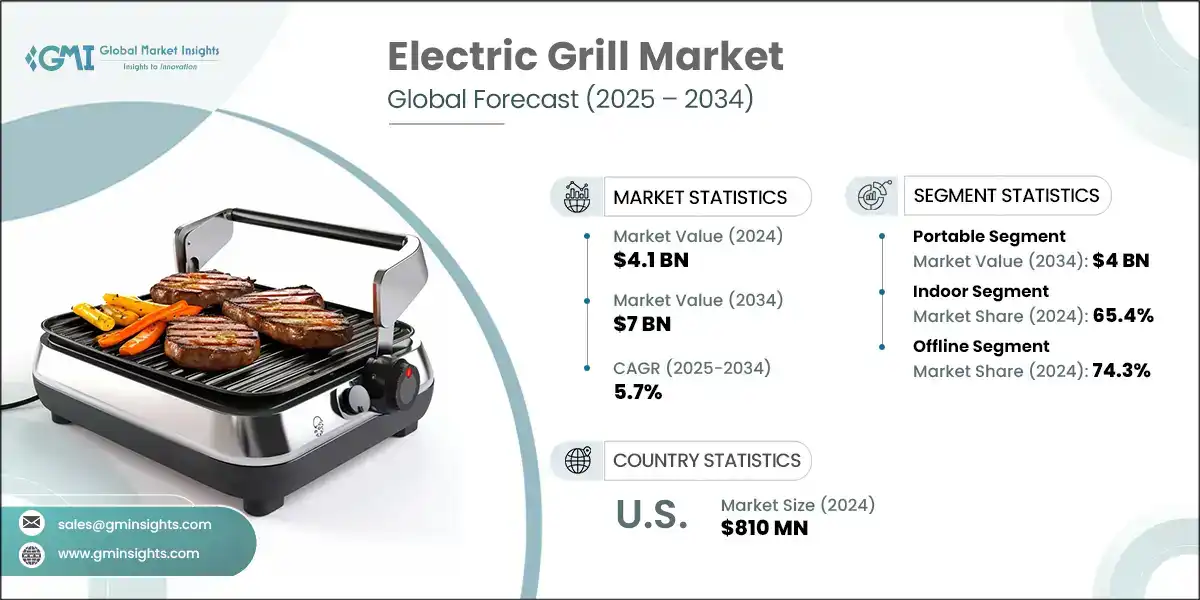
The market for smokeless grills is expanding quickly. More consumers choose these grills due to health concerns and city rules on smoke.
- Increased urban living spaces with limited outdoor areas
- Growing interest in healthier cooking methods
- Stricter regulations on smoke emissions
- Advances in grill technology making products affordable
User Experience
Consumer feedback shows ease of use and cleaning are top priorities. Many users want grills that fit small spaces and offer quick setup.
| Feature | Importance |
| Smoke Reduction | High |
| Portability | Medium |
| Easy Cleaning | High |
| Cooking Speed | Medium |
| Durability | High |
Future Innovations
Smokeless grills will keep improving with new ideas. These grills aim to cook food better and cleaner.
The future brings smart technology and more uses for these grills. They will be easier to use and fit many needs.
Ai Integration
AI will help control grill temperature and cooking time. It can learn your favorite settings for perfect food each time.
Some grills may use AI to suggest recipes or adjust heat automatically. This helps cook food without burning or undercooking.
- Automatic temperature adjustment
- Cooking time prediction
- Recipe recommendations
- Remote control via smartphone
Multi-functional Grills
Future grills will do more than just grill. They might bake, roast, or steam food as well.
This lets you cook many dishes with one device. It saves space and makes cooking easier.
- Grill and bake options
- Steaming and roasting features
- Adjustable cooking modes
- Compact and space-saving design

Credit: www.youtube.com
Frequently Asked Questions
What Makes Smokeless Grills Better For Indoor Cooking?
Smokeless grills reduce smoke using advanced ventilation or infrared technology. They ensure cleaner air and less odor, ideal for indoor use. This innovation enhances health and convenience, making grilling safer and more enjoyable at home.
How Do Smokeless Grills Impact Health And Environment?
Smokeless grills minimize harmful smoke and pollutants, improving indoor air quality. They reduce exposure to carcinogens linked to traditional grilling. Environmentally, they lower emissions, contributing to a cleaner, healthier living space and promoting sustainable cooking practices.
Are Smokeless Grills Energy Efficient Compared To Traditional Grills?
Yes, smokeless grills often use infrared or electric heating, which consumes less energy. Their design ensures faster cooking with minimal heat loss. This efficiency helps save energy and lowers utility bills while maintaining great grilling performance.
What Features Should I Look For In A Smokeless Grill?
Look for strong smoke reduction, easy cleaning, adjustable temperature controls, and durable materials. Portability and size matter for your space. Also, check for safety features and user reviews to ensure a reliable, effective smokeless grilling experience.
Conclusion
Smokeless grills will change how we enjoy cooking at home. They offer cleaner air and less mess. These grills fit well in small spaces and apartments. Technology will make them more affordable and easy to use. Expect better designs and faster cooking times soon.
Smokeless grills bring fun and health together. A bright future awaits for anyone who loves grilling indoors.