
Are you ready to take your grilling skills to the next level? Understanding the right temperature for your electric grill is the secret to cooking juicy steaks, tender chicken, and perfectly grilled veggies every time.
But how do you know what heat setting works best for each type of food? This electric grill temperature guide is here to help you master the art of grilling with confidence. Keep reading, and you’ll discover simple tips that make your meals tastier and grilling easier than ever before.
Choosing The Right Temperature
Using the correct temperature on your electric grill helps cook food evenly. It also keeps flavors and juices locked in. Knowing which heat level to use improves your grilling results.
Electric grills offer different temperature settings. Each heat level suits certain foods and cooking styles. This guide explains low, medium, and high heat uses.
Low Heat For Slow Cooking
Low heat on an electric grill is ideal for slow cooking and gentle warming. Use this setting to cook delicate foods without burning or drying them out.
- Best for vegetables and fish
- Helps tenderize tougher cuts of meat
- Allows flavors to develop slowly
- Prevents food from sticking
Medium Heat For Versatility
Medium heat works well for most grilling tasks. It cooks food thoroughly without burning the outside. This setting suits many types of meat and vegetables.
| Food Type | Temperature Range | Cooking Tip |
| Chicken breasts | 325°F – 375°F | Cook until juices run clear |
| Steak (medium) | 350°F – 400°F | Flip once for even cooking |
| Vegetables | 300°F – 350°F | Use a grill basket to avoid falling |
High Heat For Searing
High heat is perfect for searing meat. It creates a tasty crust while keeping the inside juicy. Use this temperature for quick cooking and a smoky flavor.
Tips for high heat grilling:
- Preheat grill for 10 minutes
- Pat meat dry before grilling
- Do not move meat too often
- Let meat rest after grilling
Credit: www.vevor.com
Temperature Settings For Common Foods
Using the right temperature on your electric grill helps cook food safely and taste great. Different foods need different heat levels.
Check the temperature guide to know how hot your grill should be for each food type. This will help avoid undercooking or burning.
Steaks And Burgers
Steaks and burgers need high heat to get a good sear and lock in juices. Use medium-high to high temperatures for best results.
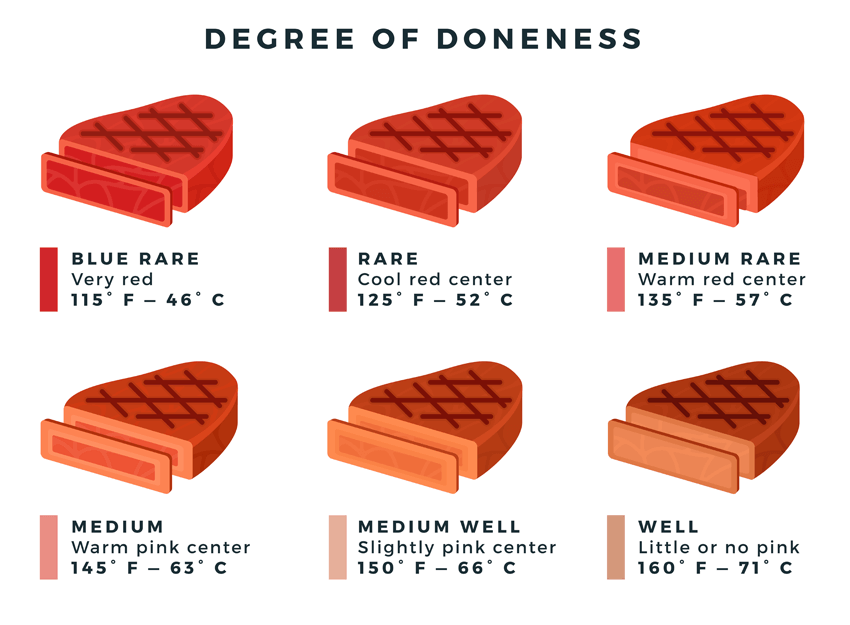
- Medium-rare steak: 130°F to 135°F (internal temperature)
- Medium steak: 140°F to 145°F (internal temperature)
- Burgers: cook to 160°F (internal temperature) for safety
- Grill temperature: 375°F to 450°F
Chicken And Poultry
Chicken and poultry need to be cooked thoroughly to avoid illness. Use medium heat to cook evenly without burning.
- Cook chicken breasts at 350°F to 375°F grill temperature
- Internal temperature should reach 165°F
- Use medium heat for thighs and drumsticks
Fish And Seafood
Fish cooks quickly and needs gentle heat. Use medium to medium-high temperatures to keep fish moist and tender.
- Grill temperature: 300°F to 400°F
- Fish internal temperature: 145°F
- Shellfish like shrimp cook at 350°F to 400°F
Vegetables And Fruits
Vegetables and fruits grill well at medium heat. This helps them cook evenly without burning outside.
- Grill temperature: 350°F to 375°F
- Cook firmer vegetables longer at medium heat
- Soft fruits cook quickly; watch closely
Using A Thermometer Effectively
Using a thermometer helps you cook food safely and perfectly. It shows the exact temperature inside your food.
Knowing how to check temperatures correctly can stop undercooking or overcooking your meals.
Checking Internal Temperatures
Insert the thermometer probe into the thickest part of the food. Avoid touching bones, fat, or the grill surface for an accurate reading.
Wait for the temperature to stabilize before reading. This ensures the number you see is correct.
| Food Type | Safe Internal Temp (°F) |
| Chicken | 165 |
| Beef (steak/roast) | 145 |
| Ground meats | 160 |
| Fish | 145 |
Tips For Accurate Readings
- Clean the thermometer probe before and after use.
- Insert the probe deep enough to reach the center.
- Do not touch bones or fat with the probe.
- Wait a few seconds for the temperature to stabilize.
- Check the thermometer’s battery regularly for digital models.
Follow these tips to get the best results from your electric grill thermometer. It keeps your food safe and tasty.
Credit: www.cuisinart.com
Adjusting Temperature For Different Grill Types
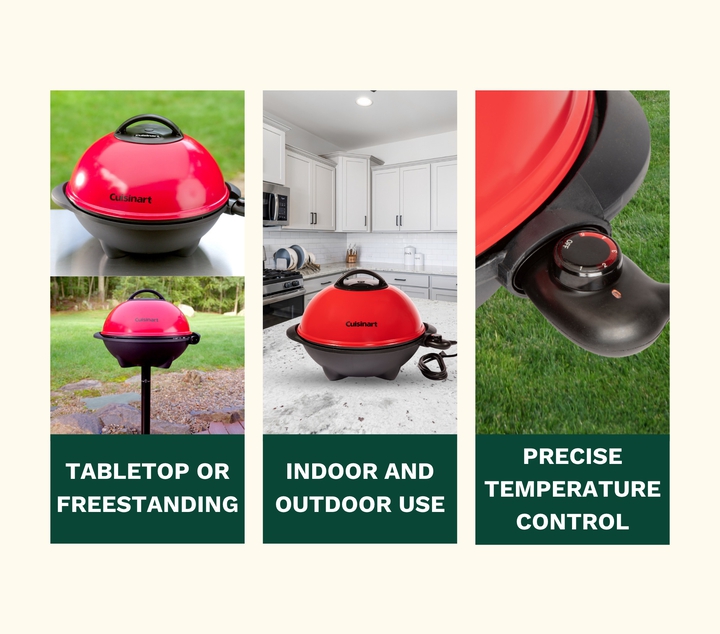
Electric grills need different temperatures based on their design. Adjusting heat improves cooking results. Knowing your grill type helps set the right temperature.
This guide explains how to adjust temperature for common electric grill types. Follow these tips for better cooking control.
Contact Electric Grills
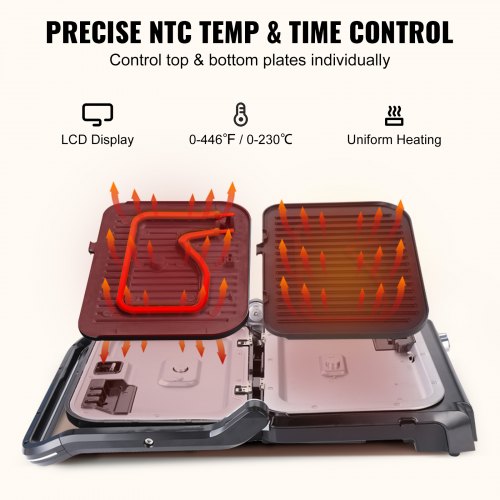
Contact electric grills cook food by pressing it between two heated plates. They heat quickly and cook evenly on both sides. These grills use direct contact for heat transfer.
- Set temperature between 350°F and 400°F for most foods.
- Lower heat to 300°F for delicate items like fish.
- Use higher heat, up to 450°F, for steaks and thicker cuts.
- Preheat grill before placing food to ensure even cooking.
Open-plate Electric Grills
Open-plate electric grills cook food on a single flat surface. They rely on radiant heat from below. These grills need careful temperature adjustments for even cooking.
| Food Type | Recommended Temperature | Notes |
|---|---|---|
| Vegetables | 325°F – 375°F | Cook gently to avoid burning |
| Chicken | 375°F – 425°F | Cook thoroughly but avoid dryness |
| Steak | 425°F – 475°F | Use high heat for searing |
| Fish | 300°F – 350°F | Cook on lower heat to keep moist |
Preventing Common Grilling Mistakes
Grilling with an electric grill is easy but mistakes can spoil your food. Knowing how to control temperature helps you avoid problems. This guide shows simple ways to improve your grilling skills.
Follow these tips to keep your food juicy and tasty. Avoid burning or drying out your meals by managing heat well. Learn how to handle flare-ups and keep a steady temperature.
Avoiding Overcooking
Overcooking makes food dry and tough. Use a thermometer to check the inside temperature. Set your grill to the right heat and watch the cooking time closely.
- Preheat the grill before cooking
- Use medium heat for most foods
- Flip food only once or twice
- Remove food a little before it is done
- Let food rest before serving
Managing Flare-ups
Flare-ups happen when fat drips on heating elements. They cause flames that burn food. Keep a spray bottle of water nearby to control small flames. Move food away if flames get too high.
| Cause | How to Manage |
| Fat dripping on heating element | Trim excess fat before grilling |
| Food close to flames | Keep food at a safe distance |
| Grease buildup | Clean grill regularly |
| High heat setting | Lower temperature as needed |
Maintaining Consistent Heat
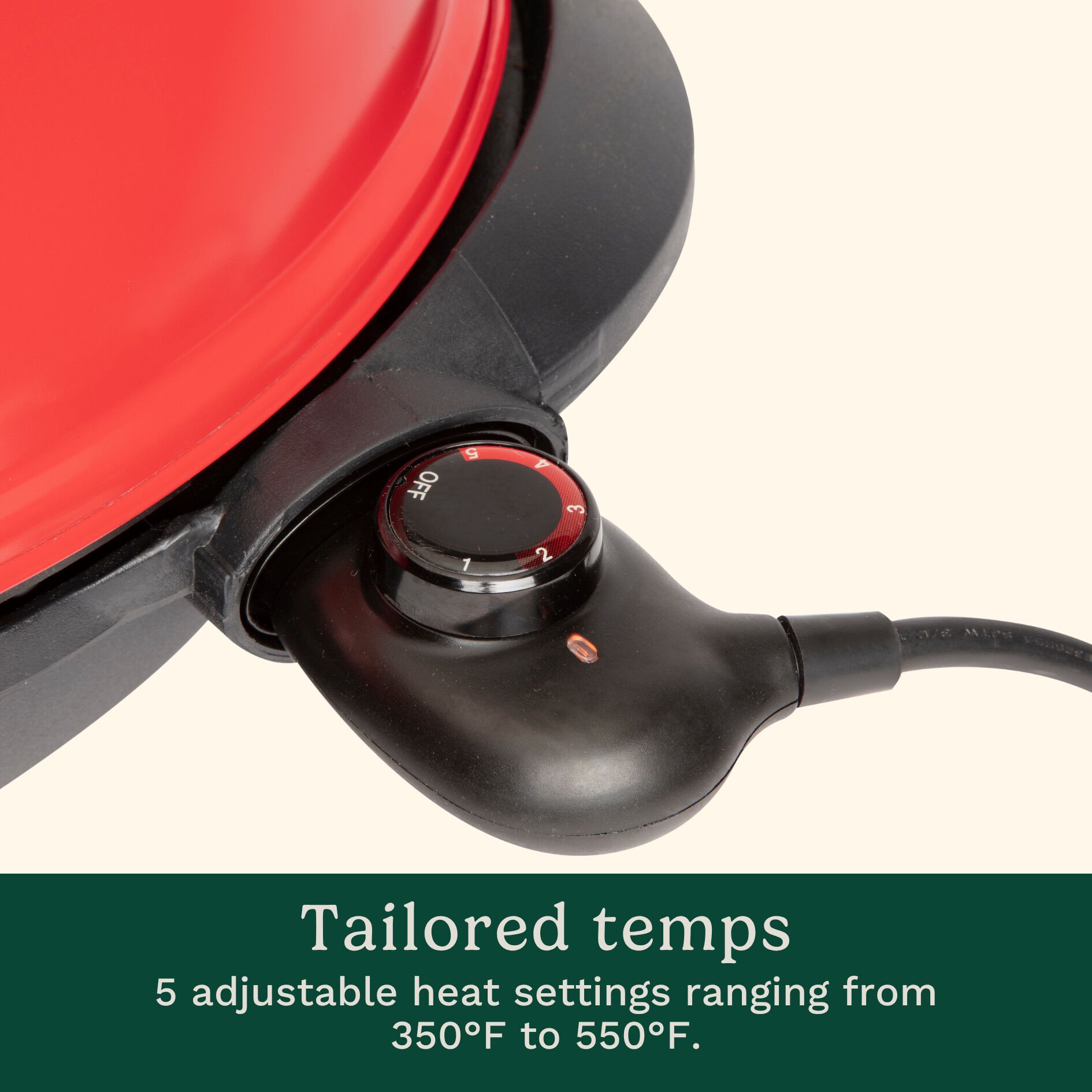
Steady heat cooks food evenly. Avoid opening the lid too often. Adjust the temperature control to keep it steady. Use thicker cuts of meat that cook slower for better results.
Tips for steady heat:
- Preheat grill for 10 minutes
- Keep lid closed during cooking
- Check temperature every 5 minutes
- Avoid moving food too much
- Use a timer to track cooking time
Credit: www.cuisinart.com
Cleaning And Maintenance Tips
Keeping your electric grill clean helps it work better and last longer. Dirt and grease can build up over time.
Regular cleaning and care make your grill safe to use and keep your food tasting great.
Cleaning After Each Use
Always clean your electric grill right after cooking. This stops food and grease from hardening on the surface.
Wait for the grill to cool down a little but clean while still warm for easier removal of residues.
- Unplug the grill and let it cool slightly.
- Use a soft cloth or sponge with warm soapy water.
- Wipe off food particles and grease.
- For stuck-on food, use a plastic scraper gently.
- Dry all parts completely before storing.
Extending Grill Lifespan
Taking care of your grill helps it last many years. Avoid damage by following simple maintenance tips.
Check the power cord and plug for damage. Replace parts that show wear to prevent hazards.
- Store the grill in a dry place to avoid rust.
- Clean all parts regularly, including drip trays.
- Do not use metal tools that can scratch the surface.
- Check the temperature controls for proper function.
- Follow the manufacturer’s instructions for deeper cleaning.
Frequently Asked Questions
What Temperature Should An Electric Grill Reach?
An electric grill should ideally reach temperatures between 350°F to 450°F. This range allows for optimal cooking of various foods. Lower temperatures are suitable for vegetables, while higher temperatures are perfect for searing meats. Consistent heat ensures even cooking and delicious results.
Can I Adjust The Heat On An Electric Grill?
Yes, most electric grills come with adjustable heat settings. These settings allow you to control the temperature precisely. Adjusting the heat helps in cooking different types of food perfectly. Always refer to your grill’s manual for specific instructions on adjusting temperatures.
How Long Does It Take To Preheat?
Preheating an electric grill typically takes about 10-15 minutes. Preheating ensures even cooking and enhances flavors. Always wait for the grill to reach the desired temperature before placing food on it. A properly preheated grill provides better cooking results.
Is High Heat Necessary For Grilling?
High heat is essential for searing and caramelizing meats. It locks in flavors and juices, providing a delicious crust. However, not all foods require high heat. Vegetables and delicate items benefit from medium to low heat. Adjust the temperature based on the food you are grilling.
Conclusion
Electric grills cook food well when set at the right temperature. Knowing the best heat levels helps you avoid overcooking or undercooking. Different foods need different heat settings for the best taste. Using this guide makes grilling easier and more enjoyable.
Keep your grill clean and check the temperature often. Practice makes perfect, so don’t be afraid to try new recipes. Enjoy tasty meals with confidence every time you grill. Simple steps lead to great results.