
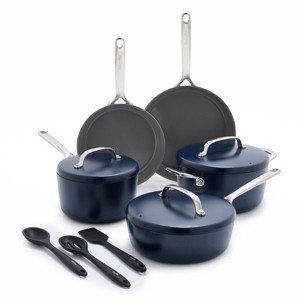
Are you concerned about what’s in your kitchen? As health-conscious individuals, it’s essential to know the materials used in our cookware.
You’ve probably heard of PFAS, a group of chemicals that have raised health concerns. But what about your hard anodized cookware? Is it safe, or could it be secretly harboring these unwanted chemicals? We’ll delve into the world of hard anodized cookware and uncover the truth about PFAS.
By the end, you’ll know exactly what you’re cooking with and whether it’s time for a kitchen upgrade. Stay with us to ensure your meals are as safe as they are delicious.
Credit: www.consumerreports.org
What Is Hard Anodized Cookware?
Hard anodized cookware is made using a special process. First, aluminum is dipped in a special liquid. Then, electricity is used to change the surface. This makes the aluminum very strong and hard. The surface gets a protective layer. This layer makes the cookware last longer. It also prevents scratches and dents. Hard anodized cookware is known for its durability. It is also non-stick.
Hard anodized cookware is lightweight yet durable. The surface is non-stick, which means food does not stick easily. It is also resistant to scratches and easy to clean. The cookware heats up evenly, so your food cooks well. It is safe to use with metal utensils. Some people like the dark color of the cookware. It looks modern and sleek.
Understanding Pfas
PFASstands for per- and polyfluoroalkyl substances. These are man-made chemicals. They resist heat and water. There are many types of PFAS. Some common ones include PFOA and PFOS. They can be found everywhere. These chemicals are in soil, water, and air. They don’t break down easily. So, they stay in the environment. This makes them hard to remove.
Definition And Types
PFOA and PFOS are popular PFAS. They are used in many products. They help make items non-stick. They are also used in waterproof clothes. These chemicals are strong. They last a long time. PFAS can be harmful. People worry about their health effects. They are found in many places. This includes cookware and food packaging.
Common Uses In Cookware
Cookware often uses PFAS. They make pots and pans non-stick. This helps with cooking. Food slides off easily. Cleaning is also easier. PFAS help resist stains. They stop water from sticking. This is very useful for cooking. But there are concerns. Some people worry about safety. PFAS can be harmful if they get into food.
Examining Pfas In Cookware
PFASare chemicals found in some cookware. They make surfaces non-stick. Hard anodized cookware usually does not have PFAS. Some non-stick pans might contain PFAS. It’s important to check labels. Many companies aim for safer cookware. They avoid harmful chemicals. People worry about health risks. PFAS can stay in the body for long. They might cause health issues. Choosing the right cookwareis important.
PFAS can affect both health and the environment. These chemicals can pollute water and soil. Animals can be harmed too. Some studies link PFAS to health problems. This includes liver and kidney issues. Safer choices can protect families. Always read product labels. Avoid cookware with PFAS if possible. Many brands now offer safer options. Choose cookware wisely. Protect health and nature.
Hard Anodized Cookware And Pfas
Hard anodized cookware is made from aluminum. It is treated to make it strong. This process makes it scratch-resistant. No harmful chemicals are added. PFAS are not used in this cookware. This makes it safe for cooking. Many people like this cookware. It is durable and reliable.
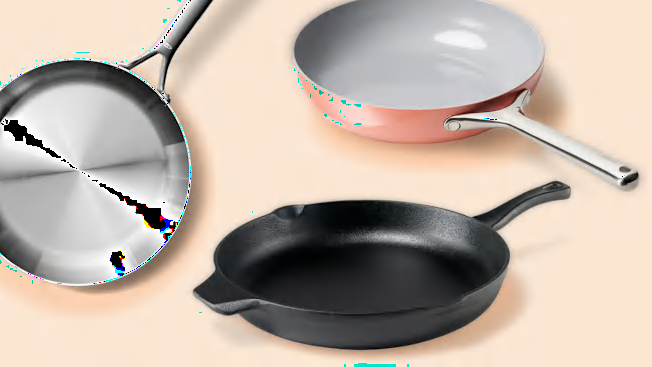
Some cookware has non-stick coatings. These might have PFAS. Hard anodized cookware does not. This makes it a better choice. Stainless steel is another option. It also does not have PFAS. But it can be heavy. Hard anodized is lighter. It heats up fast. Cast iron is also safe. But it needs special care. Hard anodized is easier to use. Many people find it convenient. They like its features and safety.
Safety Measures And Regulations
The government sets rules for cookware safety. These rules help keep us safe. Hard anodized cookware must pass tests. Tests check for harmful chemicals like PFAS. If cookware fails, it cannot be sold. Rules are strict. They protect people from bad effects. Cookware makers follow these rules.
Cookware makers follow industry standards. Standards help make safe products. Hard anodized cookware is made with care. It follows safety rules. Makers check for PFAS. Cookware must be safe for cooking. Tests happen often. They ensure no harmful chemicals are present. Standards keep cookware safe.

Credit: www.amazon.com
Choosing Safe Cookware
Picking the right cookware is very important. Safety is the first thing to check. Some cookware may contain harmful chemicals. Look for cookware that is PFOA-free and PFAS-free. These chemicals can be bad for health. Check if the cookware is non-stick. Non-stick helps food not stick to the pan. But make sure it is safe. Durability matters too. Cookware should last long. It should not chip or break easily.
Heat distribution is another key point. Good cookware spreads heat evenly. This helps cook food better. Also, consider the weight of the cookware. Heavy pots can be hard to handle. Make sure it feels right in your hand. Lastly, think about the price. Good cookware does not have to be expensive. Find the best value for your budget.
There are other options besides hard anodized cookware. Stainless steel is a good choice. It does not have harmful coatings. It is strong and lasts long. Cast iron is another option. It is very durable. It can add iron to food, which is healthy. Ceramic cookware is also safe. It does not have PFAS. It can be non-stick too.
Glass cookware is safe for baking. It does not leach chemicals. It is easy to clean. Copper cookware is good for even cooking. But it can be expensive. Always check for safe coatings. There are many safe options. Choose what is best for you.
Consumer Awareness And Action
Always check the labels on cookware. They have important information. Look for certifications like “PFOA-free”. This means it is safer. Some certifications also show environmental safety. These are good to have. It helps to ensure your cookware does not have harmful chemicals.
Ask companies about their ingredients. Demand clear information about what is used. This helps everyone. It makes companies more open about their products. Share your concerns with friends. Encourage them to ask questions too. This way, more people become aware.

Credit: www.amazon.com
Frequently Asked Questions
Are Hard Anodized Cookware Safe?
Yes, hard anodized cookware is safe for cooking. The anodization process creates a durable, non-reactive surface. It resists scratches and is PFOA-free, ensuring safe food preparation. Always follow manufacturer guidelines to maintain safety and longevity of the cookware.
Which Cookware Does Not Contain Pfas?
Choose stainless steel, cast iron, or ceramic cookware for PFAS-free options. These materials offer safe cooking surfaces. Non-stick alternatives like PTFE-free pans are also available. Always check product labels for confirmation. Opt for trusted brands to ensure quality and safety in your kitchen.
Which Is Healthier, Ceramic Or Hard Anodized Cookware?
Ceramic cookware is often considered healthier due to its non-toxic, chemical-free surface. Hard anodized cookware offers durability and non-stick properties but may contain chemicals. Choose ceramic for a safer option. Always verify product details for health benefits.
Does Hard Anodized Contain Ptfe?
Hard anodized cookware does not contain PTFE. It is made by electrochemically hardening aluminum, creating a durable, non-reactive surface. PTFE is typically found in non-stick coatings like Teflon, not in the hard anodizing process. Always check product labels for specific materials used.
Conclusion
Hard anodized cookware is usually free from PFAS. These chemicals often raise concerns. But most manufacturers do not use them in this cookware. Always check product labels to be sure. Research helps in making safe choices. Consider asking manufacturers directly.
This ensures peace of mind. Choose quality brands to avoid risks. Careful selection keeps your kitchen safer. Cooking with confidence brings better meals. Healthy cookware leads to a healthier lifestyle. Keep informed and cook worry-free.