
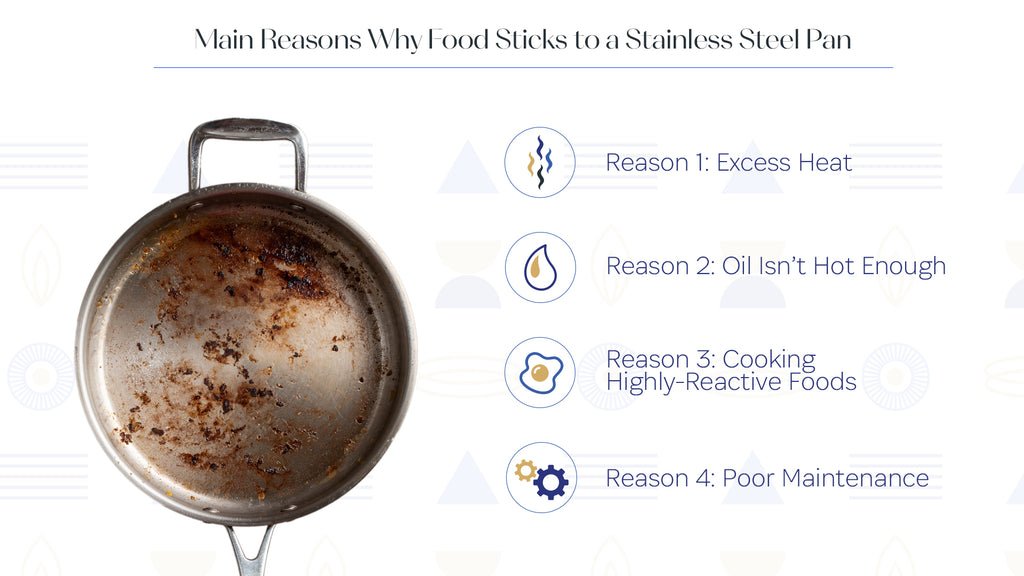
Are you tired of your meals sticking to your stainless steel cookware and spending more time scrubbing than savoring? You’re not alone.
Many home cooks face this frustration, and it might have you questioning whether your cookware is truly non-stick. But what if you could unlock the secret to preventing food from clinging to those shiny surfaces? Imagine effortlessly flipping a perfectly seared steak or gently sliding a delicate omelet onto your plate, all without the struggle.
You’ll discover the truth about why food sticks to stainless steel and learn simple, effective techniques to keep your cookware as slick as you always hoped it would be. Get ready to transform your cooking experience and say goodbye to sticky situations!

Credit: www.youtube.com
Stainless Steel Cookware Characteristics
Stainless steel cookwareis shiny and durable. It does not rust easily. The surface is smooth, making it easy to clean. Food sometimes sticks to it. This happens with high heator when food has no oil. Cooking with oil helps prevent sticking.
Stainless steel cookware heats evenly. This makes cooking food well easier. It also retains heatafter cooking. Be careful, handles can get hot. Always use a oven mittor towel.
Many people like stainless steel cookware. It looks nice and lasts long. It is also safe for cooking and baking. It does not react with food. This keeps food tasting good.
Stainless steel cookware is easy to care for. It needs regular cleaning. Use warm waterand soap to clean it. Dry it well to keep it shiny. Avoid using harsh scrubbers.
Why Food Sticks To Stainless Steel
Stainless steel cookware is known for its durability. It often causes food sticking issues. Temperature control is crucial when cooking. High heat can make food stick. Ingredients like eggs and fish are more prone to sticking. Proper preheating helps reduce sticking. Always preheat the pan before adding oil. Use enough oil to cover the pan. Dry ingredients stick less than wet ones. Stir food frequently to prevent sticking. Avoid overcrowding the pan. This allows even cooking. Proper cleaning after use is important. Residue can cause food to stick later. Seasoning the pan can help. This creates a non-stick surface. Stainless steel has many benefits. With care, food sticking can be minimized.
Preheating Techniques
Temperature testing methodshelp in cooking. Feel the heat with your hand. Count to three. If the heat is too much, the pan is ready. If you can hold longer, wait. Using water drops is smart. Drop water in the pan. If it dances, the pan is hot. If it sits still, wait more.
Preheating has many benefits. It stops food from sticking. Food cooks evenly. Flavors mix well. Cooking is faster with preheat. It saves time. Less oil is needed. Healthier meals are made. Using heat helps with taste. Perfect meals every time. No more burnt spots.

Credit: legendcookware.com
Proper Use Of Oil And Butter
Oil and butter can prevent sticking in stainless steel pans. Pick oils with high smoke points like canola or grapeseed. Butter adds flavor but burns easily. Mixing butter with oil helps. Use oils or butter based on dish type. Frying needs oils. Baking may need butter.
Using the right amount of oil or butter is key. Too much can make food greasy. Too little can cause sticking. Start with a tablespoon for small pans. Add more if needed. Spread evenly to cover the pan. Monitor heat to avoid burning. Adjust amounts for cooking style.
Cooking Temperature Control
Stainless steel cookware works best with medium heat. High heat can make food stick. Medium heat warms the pan evenly. This helps to cook food without burning.
Some foods need low heat. For example, eggs and fish. They are delicate. Medium heat keeps them from sticking.
Different foods need different heat levels. Meat, like steak, needs medium-high heat. Vegetables do well with medium heat.
Adjusting heat helps in getting the best results. It prevents sticking and burning. Always preheat the pan before cooking. This also helps in reducing the sticking.
Choosing The Right Utensils
Stainless steel is a popular choice in kitchens. It’s durable and resistant to rust. Yet, food can stick if not used properly. The right utensils help prevent this. Avoid metal spatulas or forks. They might scratch the cooking surface. Wooden or silicone utensilsare better. They are gentle on the cookware.
The cooking surface affects how food sticks. Smooth surfaces are better. Rough surfaces make food stick more. Keep the surface clean. Dirt can make food stick. Also, heat the pan before adding food. This helps prevent sticking. Use a bit of oil or butter too. It creates a barrier. This helps food not stick to the pan.
Cleaning And Maintenance Tips
Use warm water and mild soap to clean. A soft sponge works best. Avoid harsh scrubbers. They can scratch the surface. For tough spots, soak the pan in warm water. Add some baking soda for extra cleaning power. Rinse thoroughly to remove all soap. Dry it well with a soft towel. This helps prevent water spots.
Always preheat the pan before cooking. Add oil or butter after preheating. Ensure the oil is hot before adding food. This helps food release easily. Do not overcrowd the pan. Leave space for food to cook evenly. Avoid high heat. Use medium or low heat settings. Stir food often to prevent sticking. Keep the cookware clean after each use.

Credit: prudentreviews.com
Common Mistakes To Avoid
Cooking with stainless steel can be tricky. Food often sticks to the surface. Many people make mistakes with heat. Too high heat is a common error. This makes food stick easily. Oil is important too. Not using enough oil is a mistake. Cold oil can cause sticking. Always heat oil before cooking. Timing is also crucial. Adding food too soon can cause problems. Let the pan heat first. Proper cleaning is vital. Food sticks if the pan is dirty. Avoid soap residue on cookware. Rinse well after washing. Dry completely to prevent rust.
Frequently Asked Questions
How Do You Stop Food From Sticking To Stainless Steel Pans?
Heat the pan before adding oil. Ensure oil is hot before adding food. Use enough oil to coat the surface. Dry food thoroughly before cooking. Avoid overcrowding the pan.
What Is The Major Disadvantage To Stainless Steel Cookware?
Stainless steel cookware often has poor heat conductivity. It may cause uneven cooking, especially without an aluminum or copper core.
What Should You Not Cook In A Stainless Steel Pan?
Avoid cooking acidic foods like tomatoes in stainless steel pans. They can react with the metal, causing a metallic taste. Delicate dishes like eggs might stick due to lack of non-stick coating. Low-fat meats can also stick easily without sufficient oil.
Use proper techniques to minimize sticking.
Why Does Everything I Cook In A Stainless Steel Stick?
Food sticks to stainless steel because of improper heating and lack of oil. Preheat the pan and add enough oil. Ensure the oil shimmers before adding food to create a non-stick effect.
Conclusion
Stainless steel cookware can sometimes cause food to stick. It’s not unusual. Use oil or butter to reduce sticking. Also, preheat your pan. This helps create a barrier. Cooking at lower temperatures can also help. Avoid overcrowding the pan. This allows even heat distribution.
Clean your cookware properly after use. It maintains its quality. Stainless steel is durable and versatile. With practice, cooking becomes easier. Experiment with different techniques. Find what works best for you. Enjoy delicious meals without stress. Cooking is fun and rewarding.
Stainless steel can be your kitchen ally.