
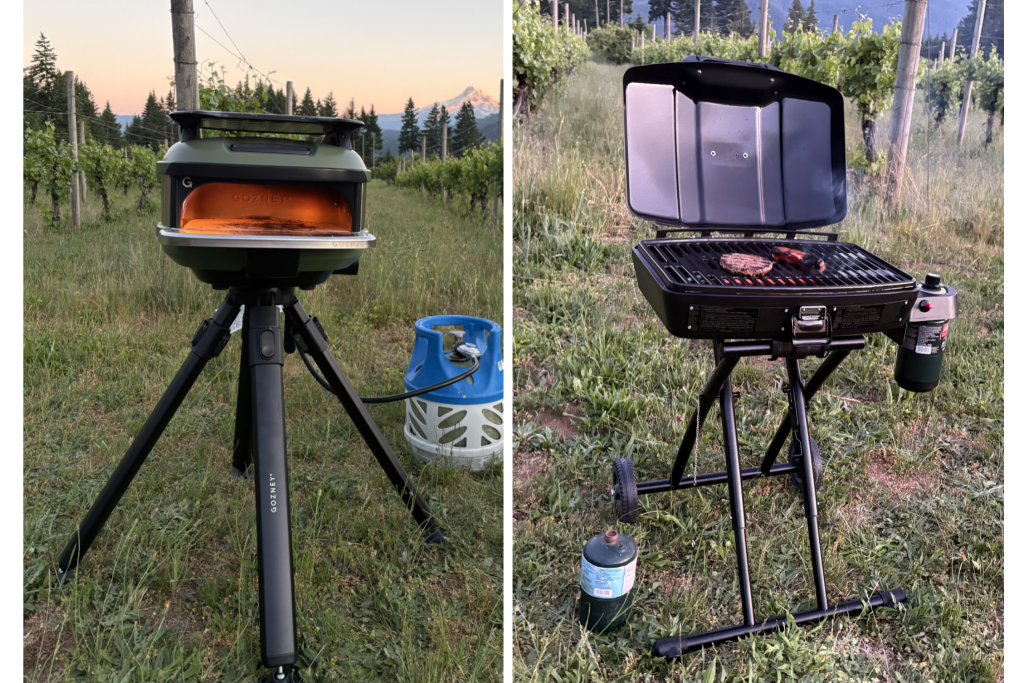
Are you wondering if your portable grill is burning through more fuel than it should? If you love cooking outdoors but worry about wasting fuel, you’re not alone.
Many grill enthusiasts ask the same question: do portable grills waste more fuel compared to traditional ones? Understanding this can save you money and help you grill smarter. Keep reading to discover the truth about fuel use in portable grills and how you can make every cooking session efficient and enjoyable.
Fuel Efficiency Basics
Fuel efficiency is how well a grill uses fuel to cook food. A more efficient grill uses less fuel for the same cooking.
Many people wonder if portable grills waste more fuel than bigger grills. This depends on several factors like size and design.
How Grill Size Affects Fuel Use
Bigger grills need more fuel to heat a larger cooking area. Smaller grills use less fuel because they heat less space.
Using a grill that matches the amount of food you cook saves fuel. Cooking on a large grill for small meals wastes fuel.
- Large grills consume more fuel to reach high temperatures
- Small grills are better for cooking small portions
- Match grill size to your cooking needs to save fuel
Impact Of Grill Design On Efficiency
Grill design changes how fuel burns and heat spreads. Good design keeps heat focused on food and uses less fuel.
Features like lids, insulation, and burner placement improve fuel use. Poor design lets heat escape, wasting fuel.
- Lids trap heat and reduce fuel use
- Well-placed burners heat evenly and use less fuel
- Insulation keeps heat inside the grill

Credit: www.independent.co.uk
Portable Vs Traditional Grills
People often ask if portable grills waste more fuel than traditional grills. Both types cook food well but use fuel differently.
This article looks at the fuel use of portable and traditional grills. It helps you understand which one uses fuel better.
Fuel Consumption Differences
Portable grills usually use less fuel because they are smaller. They need less heat to cook food. Traditional grills are bigger and use more fuel.
Small size means portable grills heat up faster. This can save fuel if you cook quickly. But if you cook for a long time, they may use more fuel overall.
- Portable grills use less fuel for short cooking
- Traditional grills use more fuel but cook more food
- Fuel use depends on cooking time and grill size
Heat Retention And Fuel Burn
Traditional grills keep heat longer because of their size and materials. This means they burn fuel slowly and steadily. Portable grills lose heat faster.
When heat escapes, grills use more fuel to keep cooking. Portable grills may need more fuel if you cook for a long time or in cold weather.
- Traditional grills hold heat well and save fuel over time
- Portable grills cool down faster and may burn fuel faster
- Wind and outside temperature affect fuel burn in both grills
Factors Increasing Fuel Waste
Portable grills are great for outdoor cooking. But some factors can cause them to waste more fuel. Understanding these helps save fuel and cook better.
This article looks at common reasons for fuel waste. We focus on wind and weather, grill maintenance, and cooking habits.
Wind And Weather Effects
Wind and weather play a big role in fuel use. Strong wind cools the grill and blows heat away. This makes the grill burn more fuel to keep the temperature.
- Wind lowers grill temperature quickly
- Cold weather increases fuel needed to heat
- Rain or humidity affects heat retention
- Direct sunlight can sometimes reduce fuel use
Improper Grill Maintenance
Grills that are not well maintained waste more fuel. Dirt and grease block airflow. This makes the grill work harder to burn fuel efficiently.
| Maintenance Issue | Effect on Fuel Use |
| Clogged burner holes | Uneven flame, more fuel burned |
| Dirty grill grates | Longer cooking time, higher fuel use |
| Leaking gas connections | Fuel loss and safety risks |
| Old or damaged parts | Less efficient fuel burning |
Cooking Habits And Fuel Use
How you use your grill also affects fuel use. Open lids often or cooking at too low heat wastes fuel. Planning and smart habits save fuel.
- Preheat grill only as long as needed
- Keep lid closed during cooking
- Cook at recommended temperatures
- Use proper-sized cookware on the grill
- Turn off grill promptly after cooking
Credit: www.treelinereview.com
Tips To Save Fuel With Portable Grills
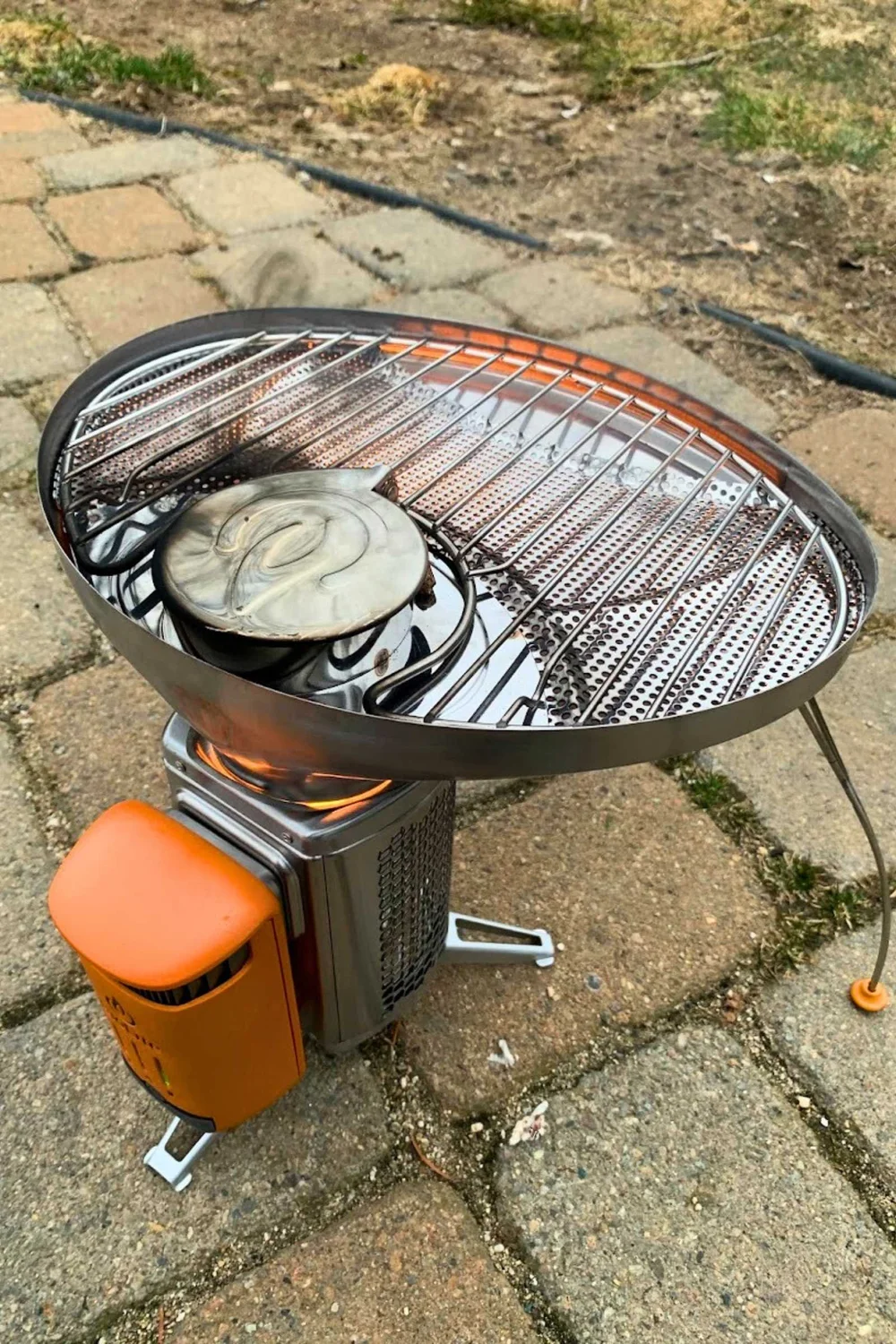
Portable grills are great for outdoor cooking. They use fuel like propane or charcoal to cook food.
Some people wonder if portable grills waste more fuel. You can save fuel by using the grill smartly.
Choosing The Right Grill
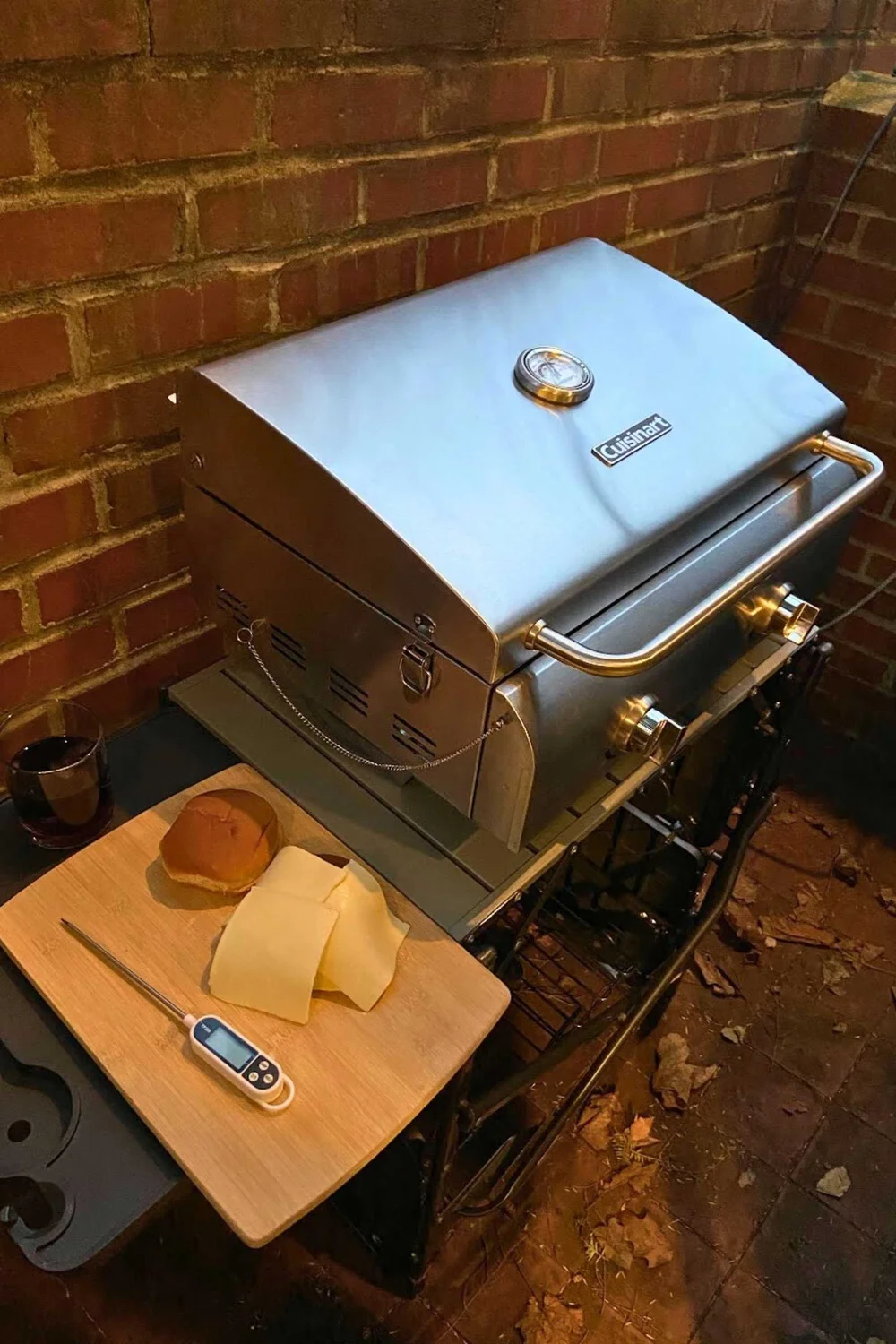
Pick a grill that fits your cooking needs. Smaller grills use less fuel and heat up faster.
Check the grill’s fuel efficiency before buying. Look for grills with good heat control features.
- Choose compact grills for small meals
- Look for grills with adjustable burners
- Consider grills made for fuel efficiency
Optimizing Cooking Techniques
Use cooking methods that save fuel and time. Preheat the grill only as long as needed.
Cook food in batches to keep the grill hot. Close the lid to keep heat inside and cook faster.
- Preheat the grill for 5-10 minutes
- Cook several items at once
- Keep the lid closed while cooking
- Use direct heat for fast cooking
Regular Maintenance Practices
Keep your grill clean to improve fuel use. Remove grease and food bits after each use.
Check burners and fuel lines for blockages or leaks. Fix problems quickly to avoid wasting fuel.
- Clean grill grates and burners regularly
- Inspect fuel lines for cracks or leaks
- Replace worn parts on time
- Store grill in a dry place
Environmental Impact Of Fuel Use
Portable grills often run on different types of fuel. The kind of fuel used affects the environment. Fuel use creates emissions that add to pollution and climate change.
Understanding fuel impact helps us choose better options. It lowers the carbon footprint and saves resources.
Carbon Footprint Comparison
Different fuels release different amounts of carbon dioxide. This gas traps heat in the atmosphere. It causes global warming and harms nature.
| Fuel Type | Carbon Emissions (kg CO₂ per hour) |
| Propane | 1.5 |
| Charcoal | 2.5 |
| Natural Gas | 1.2 |
| Electric (from coal power) | 1.8 |
Charcoal grills release more carbon than propane. Natural gas burns cleaner but is less common in portable grills. Electric grills depend on how electricity is made.
Sustainable Fuel Alternatives
Some fuels cause less harm to the environment. Using these alternatives can reduce pollution and save energy.
- Bioethanol made from plants
- Solar-powered grills
- Electric grills using renewable energy
- Wood pellets from sustainable sources
Choosing these fuels lowers greenhouse gas emissions. It helps protect air quality and natural habitats.
Credit: www.treelinereview.com
Frequently Asked Questions
Do Portable Grills Consume More Fuel Than Traditional Grills?
Portable grills may use slightly more fuel due to smaller size and higher heat loss. However, efficient models minimize this difference. Fuel consumption depends on grill quality, fuel type, and cooking duration. Proper usage helps reduce waste and optimize fuel efficiency.
What Affects Fuel Efficiency In Portable Grills?
Fuel efficiency depends on grill insulation, burner quality, and heat retention. Wind and outdoor temperature also impact fuel use. Well-maintained grills with sealed lids conserve heat better, reducing fuel waste. Using the correct fuel type enhances performance and efficiency.
Are Portable Grills Cost-effective Despite Fuel Use?
Portable grills can be cost-effective if used correctly. They save money by being compact and easy to store. Though fuel use might be slightly higher, the convenience and portability often outweigh fuel costs. Efficient grilling techniques further reduce fuel consumption.
How Can I Reduce Fuel Waste With A Portable Grill?
Use a windscreen to protect the grill from wind. Preheat the grill properly and avoid opening the lid frequently. Choose high-quality fuel and clean burners regularly. These steps help maintain steady heat and lower unnecessary fuel use.
Conclusion
Portable grills can sometimes use more fuel. Smaller size means less efficiency. Windy conditions may increase fuel usage. Choosing the right grill matters. Consider the fuel type and grill design. Proper maintenance helps save fuel. Regular cleaning improves efficiency. Knowing these factors aids in making informed decisions.
Enjoy grilling without wasting fuel. Choose wisely for better results. Happy grilling!