
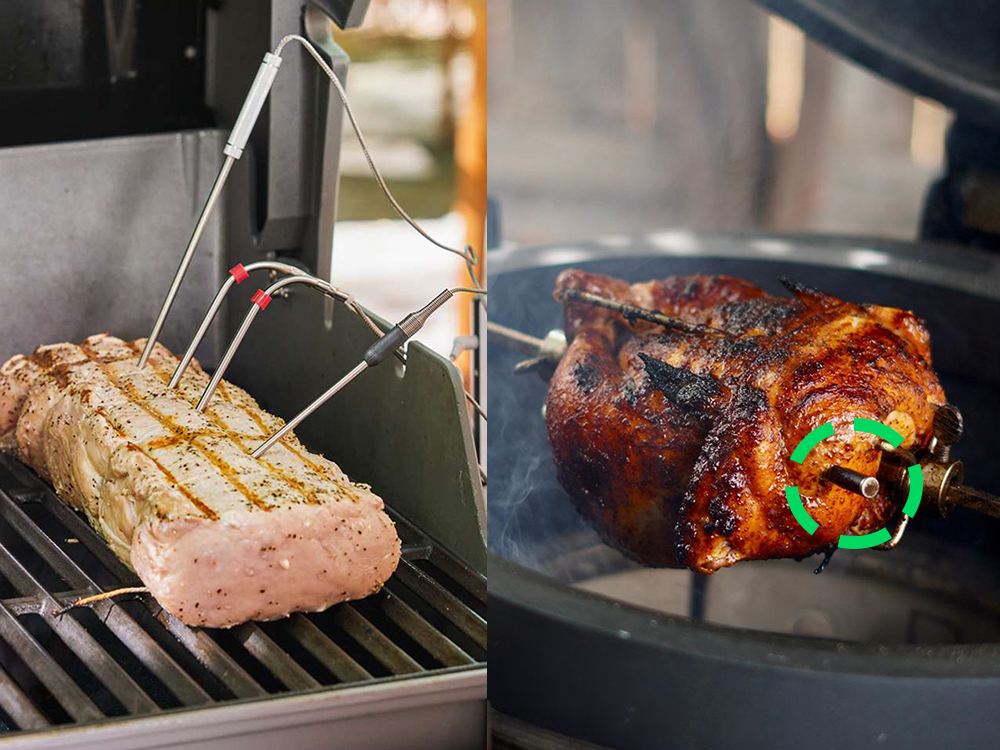
Are you tired of overcooked steaks or underdone chicken on your grill? Wondering if a meat thermometer could be your game-changer?
Grilling can be an art, but without the right tools, it might feel more like guesswork. You want to impress your friends and family with perfectly cooked meals, but how can you be sure they’re safe and juicy every time?
We’ll dive into whether meat thermometers really work on the grill and how they can transform your grilling experience. Stick around to discover the secrets to grilling success that could make you the neighborhood BBQ hero.
:max_bytes(150000):strip_icc()/ses-thermopro-tp980-donna-currie-4-b3a829906fa7403bb12094079cd5f086.jpeg)
Credit: www.thespruceeats.com
How Meat Thermometers Work
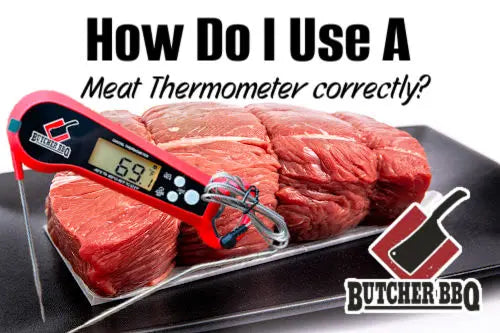
Meat thermometers work by measuring the internal temperatureof the meat. They help ensure the meat is safe to eatand cooked to your taste. The thermometer has a temperature sensorthat reads heat inside the meat and shows it on a dial or screen.
- Dial thermometershave a round face and a needle.
- Digital thermometersgive a quick and clear number.
- Instant-read thermometersshow temperature fast, usually in seconds.
- Leave-in thermometersstay in the meat while cooking.
Temperature sensors can be thermocouplesor thermistors. Thermocouples use two metals to measure heat. Thermistors change resistance with temperature. Both send signals to show how hot the meat is.
Using Thermometers On The Grill
Placing the thermometer probe in the thickest part of the meat is key. Avoid touching bones or fat, as these can give false readings. Insert the probe from the side for better accuracy. Keep the tip deep enough to reach the center of the meat. Be sure the thermometer is not exposed to direct flame or heat. This can damage the device and affect its reading. Use a grill-safe thermometer to withstand high heat. Check the temperature several times during cooking for best results.
- Do not place the probe too close to bones or fat.
- Avoid touching the grill surface with the thermometer.
- Do not leave the thermometer in the meat too long if it’s not designed for that.
- Do not use a thermometer that is not meant for grilling.
- Do not rely on the thermometer alone; watch the meat’s color and texture too.
Accuracy Factors On The Grill
Grill heatcan vary in different spots. This uneven heat affects the readingof meat thermometers. A probe placed near a hot spot might show a higher temperature than the meat’s true center.
Ambient temperatureoutside the grill also matters. Cold or windy weather can cool the thermometer probe, causing lower temperature readings. This can lead to undercooked or overcooked meat.
Probe qualityis important. Cheap probes may not give accurate results. Calibrationhelps keep the thermometer correct. Regularly checking with boiling water or ice water ensures the probe is reliable.
Comparing Thermometer Types For Grilling
Instant-read thermometersgive quick temperature results. They are good for checking meat near the end of cooking. You insert the probe, wait a few seconds, and read the display. Leave-in probesstay inside the meat while grilling. They show continuous temperature without opening the grill. This helps keep heat steady.
Digital thermometersprovide clear, easy-to-read numbers. They are usually faster and more accurate. Analog modelsuse a dial to show temperature. They do not need batteries but can be harder to read and slower.
| Type | Speed | Accuracy | Ease of Use | Power Source |
|---|---|---|---|---|
| Instant-Read | Fast | High | Easy | Usually Battery |
| Leave-In Probe | Continuous | High | Very Easy | Usually Battery |
| Digital | Fast | High | Easy | Battery |
| Analog | Slow | Medium | Harder | No Battery |
Best Practices For Reliable Readings
Preheat the grillbefore inserting the meat thermometer. This helps get an accurate temperature reading. Always check the thermometer’s calibration to ensure it shows the right temperature. You can test it by placing the tip in ice water; it should read 32°F (0°C). Adjust if needed according to the manual. Avoid touching the grill or flames with the probe directly, as it can give false readings or damage the device.
Keep the thermometer clean for best results. Wash the probe with warm, soapy water after each use. Wipe the handle with a damp cloth to avoid moisture damage. Store it in a dry place to protect the sensor. Regular cleaning prevents old food or grease from affecting the readings. Proper care extends the life of your thermometer and keeps it working well every time.
Credit: ca.style.yahoo.com
Troubleshooting Inaccurate Results
Meat thermometers can give wrong readingsdue to many reasons. A faulty devicemight not heat up correctly or could have a broken sensor inside. Sometimes, the probe is bent or dirty, causing inaccurate results. Check if the thermometer shows the right temperature in boiling water (212°F or 100°C). If it does not, it might be broken.
Keep these tips for consistent temperaturereadings:
- Insert the probe into the thickest part of the meat.
- Avoid touching bones or fat, which can give false readings.
- Wait a few seconds for the temperature to settle before reading.
- Clean the probe after each use to prevent buildup.
- Use a digital thermometer for faster, more accurate results.
Credit: butcherbbq.com
Frequently Asked Questions
Do Meat Thermometers Work Accurately On Grills?
Yes, meat thermometers work accurately on grills. They measure internal meat temperature, ensuring safe cooking. Use a reliable thermometer and avoid direct flame contact for best results.
Can I Use Any Meat Thermometer On A Grill?
Not all thermometers suit grilling. Use a probe or instant-read thermometer designed for high heat. Avoid candy or oven thermometers, as they may not handle grill temperatures well.
How To Use A Meat Thermometer Properly On The Grill?
Insert the thermometer into the thickest meat part, avoiding bone or fat. Wait a few seconds for an accurate reading. Use a digital or instant-read thermometer for faster, precise results.
Why Is Using A Meat Thermometer On The Grill Important?
It ensures meat is cooked to safe temperatures, preventing foodborne illness. It also helps avoid overcooking, preserving juiciness and flavor. Grilling without a thermometer risks uneven cooking and dryness.
Conclusion
Meat thermometers work well on grills to check food safety. They help avoid undercooked or overcooked meat. Using one makes grilling easier and more fun. Just insert the thermometer properly and wait for a steady reading. This simple tool improves your cooking every time.
Trust your thermometer to get the best results. Grilling becomes safer and tastier with this small device. Try it on your next barbecue and see the difference.