

Have you ever found yourself peeking into the oven, wondering if your roast is perfectly cooked or if it’s about to become a dry disappointment? Cooking meat to perfection isn’t just about timing; it’s about precision.
This is where a meat thermometer can become your best kitchen ally. But do meat thermometers really work in the oven, and can they guarantee that juicy, flavorful result you crave? Imagine the confidence of knowing exactly when your meat reaches the right temperature, ensuring safety and taste every time.
Before you take your next culinary adventure, discover how this simple tool can transform your cooking experience and elevate your meals from ordinary to extraordinary. Dive into the details and find out if a meat thermometer is the secret ingredient you’ve been missing.
How Meat Thermometers Work
Meat thermometers help check the internal temperatureof meat. This ensures it is safe to eatand cooked just right. They work by sensing heat inside the meat and showing the temperature.
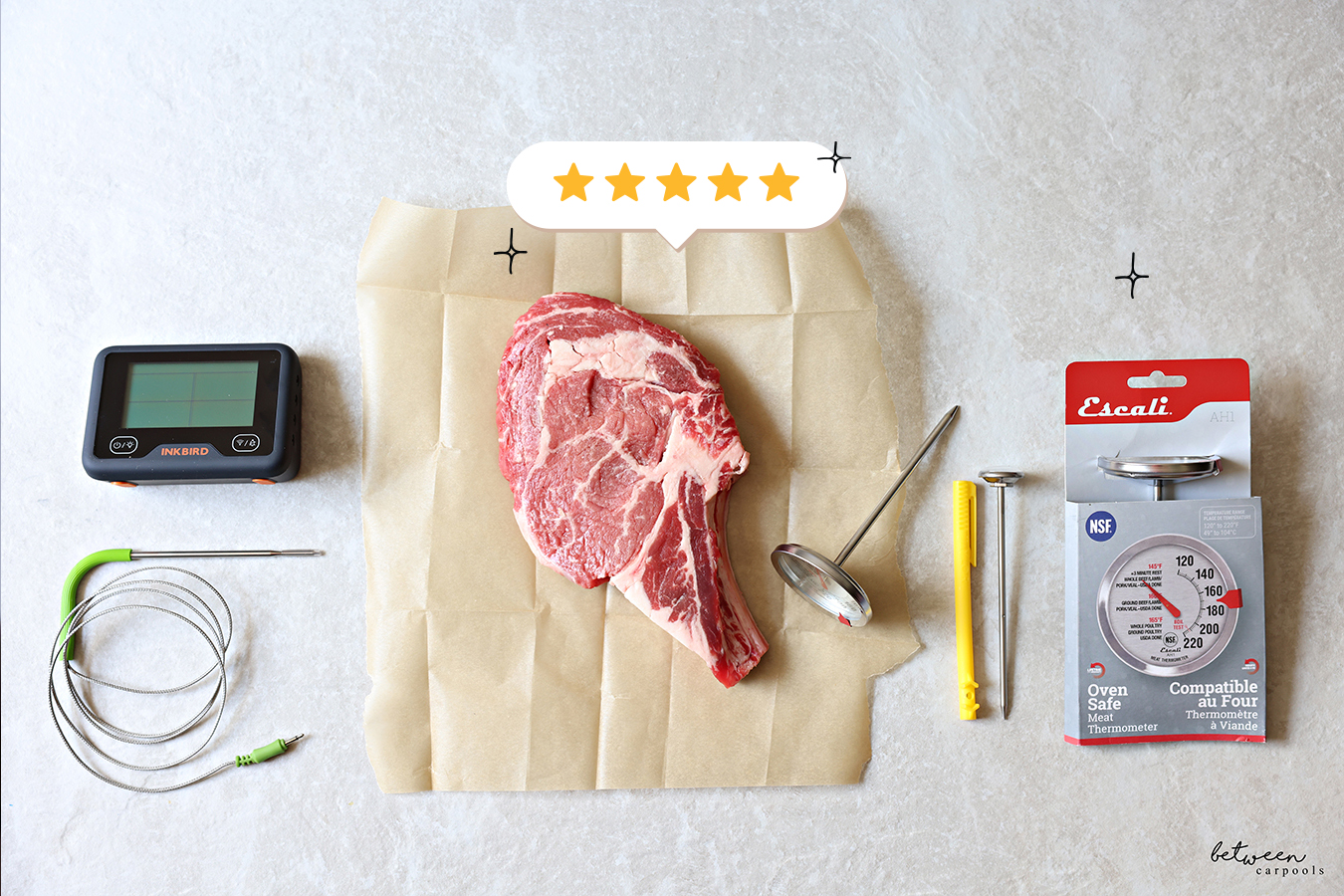
There are different types of meat thermometers:
- Instant-read thermometers: Give a quick temperature reading when inserted.
- Digital probe thermometers: Have a probe left in the meat while cooking, showing temperature on a screen.
- Dial thermometers: Have a needle that moves on a dial to show temperature.
Temperature sensors inside these thermometers work by detecting heat through metal probes. The metal changes its electric or physical properties as heat increases. This change is then shown as a temperature reading. This way, cooks can know if the meat is hot enough inside.
Credit: betweencarpools.com
Using Meat Thermometers In Ovens
Place the meat thermometer in the thickest part of the meat. Avoid touching bones or fat, as this gives wrong readings. Insert the probe deep enough to reach the center. Keep the thermometer away from the oven walls or heating elements. This ensures the temperature reads the meat, not the oven air.
Common mistakes include placing the thermometer too close to bone or fat. Moving the meat during cooking can also cause inaccurate results. Leaving the thermometer in the oven too long may damage it, so check the manufacturer’s instructions. Not cleaning the probe before use can affect the reading, so always clean it well.
Factors Affecting Accuracy
Oven temperaturecan change a lot during cooking. This makes it hard for thermometers to give exact readings. Some ovens heat unevenly, so food in one spot cooks faster than another. This affects thermometer accuracy.
Calibrationis very important. If a thermometer is not calibrated right, it will show the wrong temperature. Calibrating means setting the thermometer to show the true temperature. This helps make sure meat is cooked safely.
Probe material and designalso matter. Metal probes heat up fast and give quick readings. Some probes are thicker or shorter, which can change how they read temperature. A well-made probe gives better, more reliable results.
Comparing Thermometer Types
Digital thermometersshow the temperature quickly and clearly. They are easy to read, with numbers on a screen. Analog thermometershave a needle that points to the temperature on a dial. They do not need batteries but can be harder to read.
Instant-read thermometersgive a fast temperature reading. They are good for checking meat quickly outside the oven. Leave-in probesstay inside the meat while cooking. They send the temperature to a display outside the oven. This helps monitor cooking without opening the oven door.
| Type | Speed | Use | Power |
|---|---|---|---|
| Digital | Fast | Instant read or leave-in | Battery |
| Analog | Slow | Usually leave-in | No battery |
| Instant-read | Very fast | Check meat after cooking | Digital or analog |
| Leave-in probe | Continuous | Monitor during cooking | Digital |
Testing Thermometer Performance
Testing a meat thermometer’s performance in the oven is key to trust its readings. Start by setting the oven to a stable temperature, such as 350°F (175°C). Insert the thermometer into the meat or an oven-safe container with water. Wait for the thermometer to show a steady temperature. Compare this with the oven’s set temperature.
Use multiple tests to check consistency. Try different oven temperatures and note the thermometer’s readings. This helps spot any errors or delays in response time.
- Place the thermometer in the center of the oven, away from walls.
- Allow enough time for the thermometer to adjust to oven heat.
- Repeat tests to confirm results.
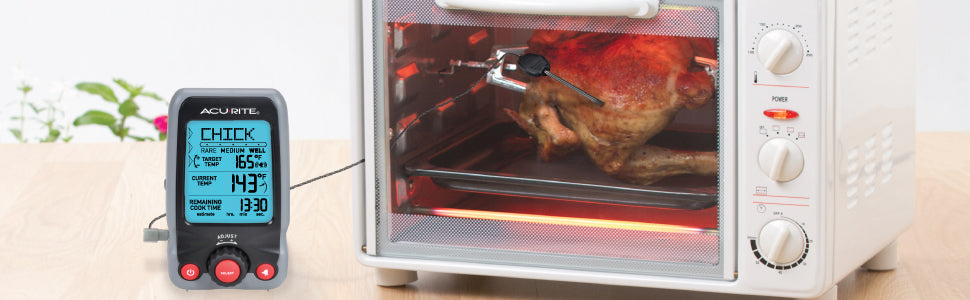
Real-world oven tests also include checking the thermometer’s reading inside actual meat cuts. Insert the probe into thick parts, avoiding bones. Cook the meat and monitor the thermometer during cooking. This shows how well the thermometer works in practical use.
Credit: www.acurite.com
Tips For Reliable Oven Temperature Checks
Using multiple thermometers helps check oven temperature more accurately. One thermometer can fail or give wrong readings. Place thermometers in different oven spots to see if the heat is even. This way, you can trust the numbers better. A digital and an analog thermometer together work well. They cover each other’s weak points.
Maintaining your thermometer keeps it working well. Clean it after every use. Avoid dropping it or exposing it to very high heat beyond its limit. Calibrate your thermometer regularly by testing it in boiling water. This keeps the readings correct over time. A well-kept thermometer lasts longer and stays reliable.
Alternatives To Meat Thermometers
Oven-safe temperature probes are a good choice for cooking meat. They can stay inside the oven while it cooks. These probes give you a real-time reading of the meat’s temperature. This helps to avoid overcooking or undercooking. Usually, they have a metal wire that connects to a digital display outside the oven.
Wireless monitoring devices are another option. They work by sending temperature data to your phone or a small screen. This means you can watch your meat’s temperature without opening the oven door. These devices are easy to use and can improve cooking accuracy.

Credit: www.amazon.com
Frequently Asked Questions
Do Meat Thermometers Work Accurately In Ovens?
Yes, most meat thermometers are designed to work accurately in ovens. Oven-safe thermometers can withstand high temperatures and provide precise internal temperature readings for cooked meat.
Can I Leave A Meat Thermometer In The Oven While Cooking?
Yes, oven-safe meat thermometers are meant to stay in the meat while cooking. They help monitor the temperature without opening the oven door frequently.
What Types Of Meat Thermometers Are Oven-safe?
Digital probe thermometers and dial oven-safe thermometers are commonly used in ovens. Always check the product specifications to confirm oven safety.
How Do Meat Thermometers Improve Cooking Results?
Meat thermometers ensure your meat is cooked to the right temperature. This prevents undercooking or overcooking, ensuring food safety and optimal flavor.
Conclusion
Meat thermometers do work well inside ovens. They help check food temperature safely. This ensures meat cooks evenly and stays juicy. Using a thermometer stops guessing and overcooking. Choose a good quality thermometer for best results. Always place it correctly in the meat.
This simple tool makes cooking easier and safer. Trust the thermometer for perfectly cooked meals every time. Cooking with care leads to better taste and health. Keep your meals delicious and safe by using one.