

Are you tired of guessing whether your fried chicken is perfectly cooked or still raw inside? You’re not alone.
Many home cooks face the same challenge when deep frying. The good news is, there might be a simple solution to elevate your frying game — a meat thermometer. But before you drop one in your bubbling oil, you probably have a burning question: Do meat thermometers work in a deep fryer?
This question can make or break your culinary masterpiece, so it’s crucial to get the answer right. Stick around, because what you’re about to discover could transform your cooking experience, ensuring every bite is as delicious and safe as possible.
Credit: www.ebay.ca
Meat Thermometers And Deep Frying
There are many types of meat thermometers. Some have metal probes, others have digital sensors. Not all can handle the high heat of deep fryers. Choose one made for high temperatures. A regular kitchen thermometer may melt or break.
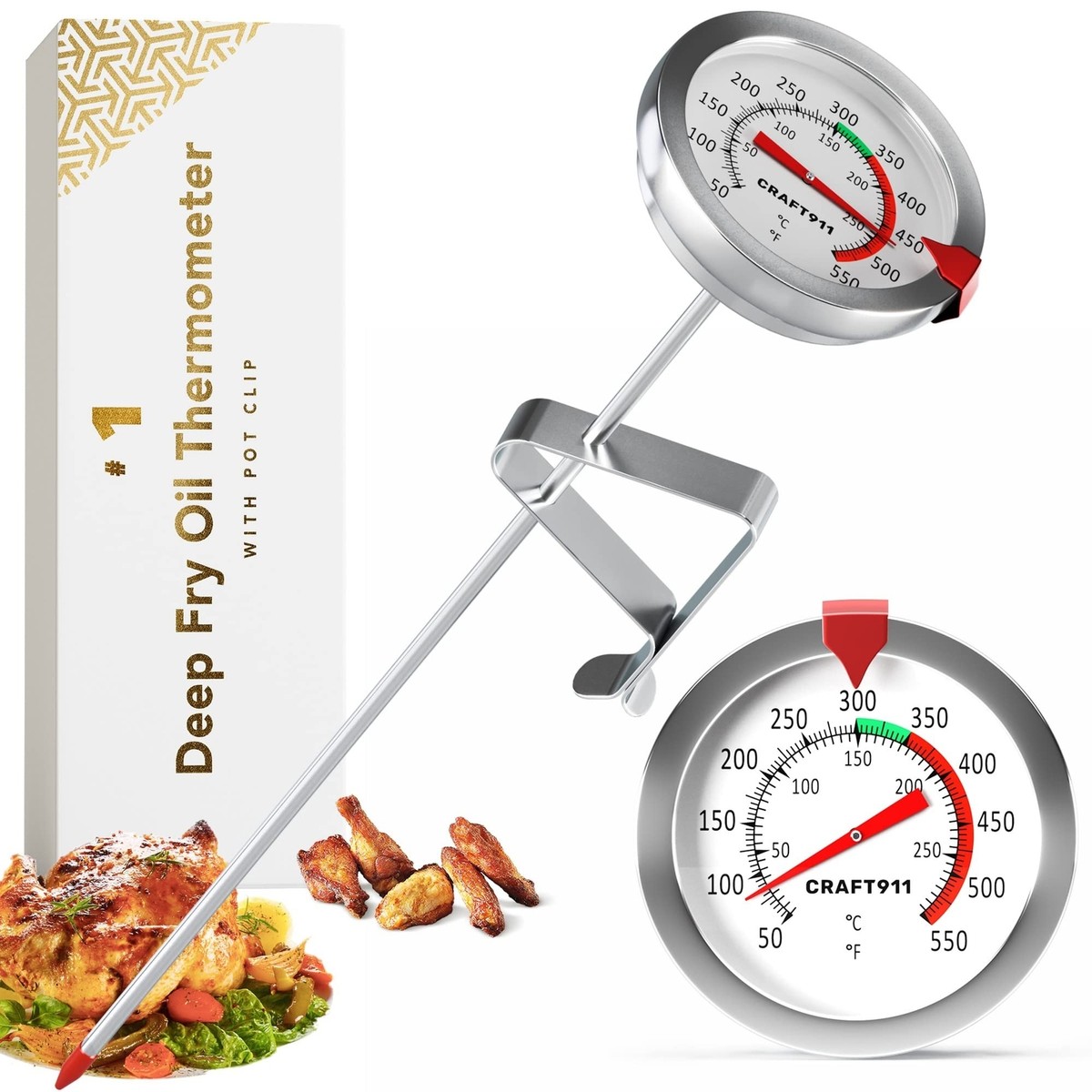
Heat resistance is very important. A thermometer must stand up to oil temperatures over 350°F (175°C). Many digital thermometers have plastic parts that can melt. Metal dial thermometers with a long probe work best.
Accuracy in hot oil can be tricky. Oil heats unevenly, so check temperature in different spots. Insert the probe deep into the food, not just the oil. This gives a true reading of the meat’s temperature.
Challenges With Deep Fryer Use
Deep fryers reach very high oil temperatures, often above 350°F (175°C). This extreme heat can cause inaccurate readingsor damage to many meat thermometers. Most thermometers are not built to handle hot oil safely.
Safety is a big concern. Inserting a thermometer into hot oil can cause oil splashesthat may burn skin. The metal probe can also get very hot and cause accidents if not handled carefully.
Many meat thermometers are made for use in ovens or grills, not deep fryers. The hot oil can damage the thermometer’s sensoror its casing, making it unreliable or unusable.
Best Thermometer Options For Deep Frying
Digital thermometersshow quick and clear readings. They are easy to read and use. Some have alarms to alert when food reaches the right temperature. They work well with deep fryers but need to handle high heat.
Analog thermometersuse a dial to show temperature. They don’t need batteries and are simple to use. They may be slower to read and less precise than digital ones.
- Instant-read thermometersgive temperature fast, usually within seconds.
- They help check if food is cooked safely inside.
- Make sure it can handle the oil temperature in deep frying.
Thermometers made for high heatresist damage from hot oil. They last longer in deep fryers. Look for models with metal probes and heat-resistant bodies.
:max_bytes(150000):strip_icc()/ses-candy-thermometer-test-cdn-stainless-tcg400-irvin-lin-01-db9c3b08cd4b4ba59c2664c3b1ed1050.jpg)
Credit: www.thespruceeats.com
Tips For Using Thermometers In Deep Fryers
Insert the thermometer probe deep into the thickest part of the food. Avoid touching the fryer basket or bottom. This gives a correct temperature reading. Hold the probe steady until the temperature stops changing.
- Wear long sleeves to protect arms from hot oil.
- Lower food and thermometer slowly into the oil to prevent splashes.
- Keep the thermometer handle away from the oil surface.
Clean the thermometer after each use. Use warm, soapy water and a soft cloth. Avoid submerging digital parts. Dry it well before storing. This keeps your thermometer safe and accuratefor the next use.
Alternatives To Meat Thermometers In Deep Frying
Many deep fryers come with built-in temperature controls. These controls help keep oil at the right heat. Set the fryer to the right temperature for your food. This avoids overcooking or undercooking. It works well for frying chicken, fish, and fries.
Visual and timing cues are also useful. Watch the color of the food. Golden brown often means it is ready. Use a timer to avoid guessing. Different foods need different frying times. This method helps you cook safely without a thermometer.
| Type | Description | Use |
|---|---|---|
| Thermocouples | Small sensors that measure temperature quickly | Insert into food or oil for accurate heat reading |
| Probe Sensors | Metal probes that connect to a display | Monitor internal food temperature during frying |
Credit: www.homedepot.com
Frequently Asked Questions
Can I Use A Meat Thermometer In A Deep Fryer?
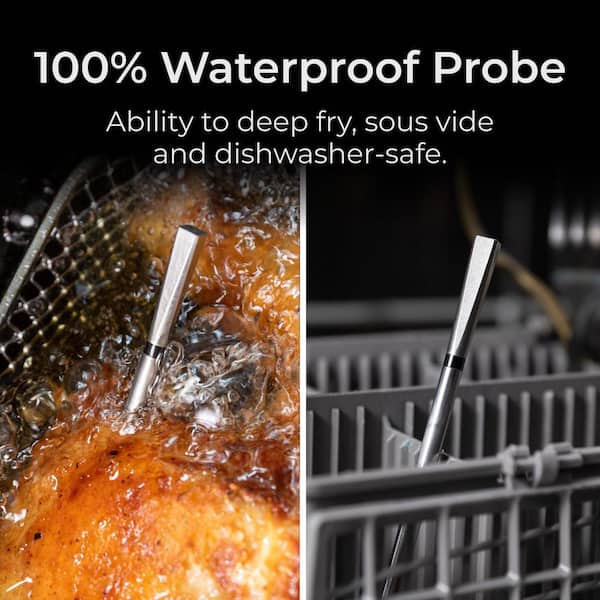
Yes, you can use a meat thermometer in a deep fryer. Ensure the probe is waterproof and heat-resistant. Insert it carefully to avoid oil splashes. It helps monitor the internal temperature for safe, perfectly cooked food.
What Type Of Thermometer Works Best In Deep Fryers?
A digital probe thermometer with a waterproof design works best in deep fryers. It provides quick, accurate readings and withstands high oil temperatures. Avoid analog or candy thermometers that may not handle deep frying conditions well.
How Do I Safely Check Meat Temperature In Hot Oil?
To check meat temperature safely, use a long-handled thermometer probe. Insert it slowly into the thickest part of the meat. Avoid touching the fryer’s sides or basket to prevent inaccurate readings and oil splashes.
Why Is Temperature Monitoring Important In Deep Frying?
Temperature monitoring ensures food is cooked thoroughly and safely. It prevents undercooked or overcooked meals and reduces the risk of foodborne illness. Accurate temperature control also improves texture and flavor during frying.
Conclusion
Meat thermometers can work in deep fryers with the right type and care. Use a thermometer designed for high heat to get accurate readings. Avoid digital models that might break from the hot oil. Always insert the probe carefully to prevent burns or spills.
Checking the temperature helps cook meat safely and perfectly. It saves guesswork and improves your frying results. Trust your tools and cook confidently every time.