
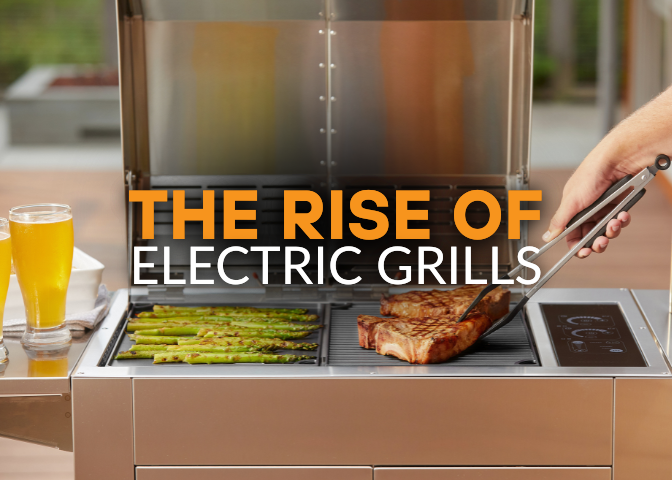
Are you wondering if electric grills can deliver the same mouth-watering flavor as gas grills? If you love the taste of grilled food but want a simpler, cleaner way to cook, this question might be on your mind.
The truth is, the type of grill you choose can change the flavor of your meals—and that can be a big deal when you’re craving that perfect smoky, charred taste. Keep reading, and you’ll discover what really sets electric and gas grills apart, so you can decide which one will satisfy your grilling cravings every time.
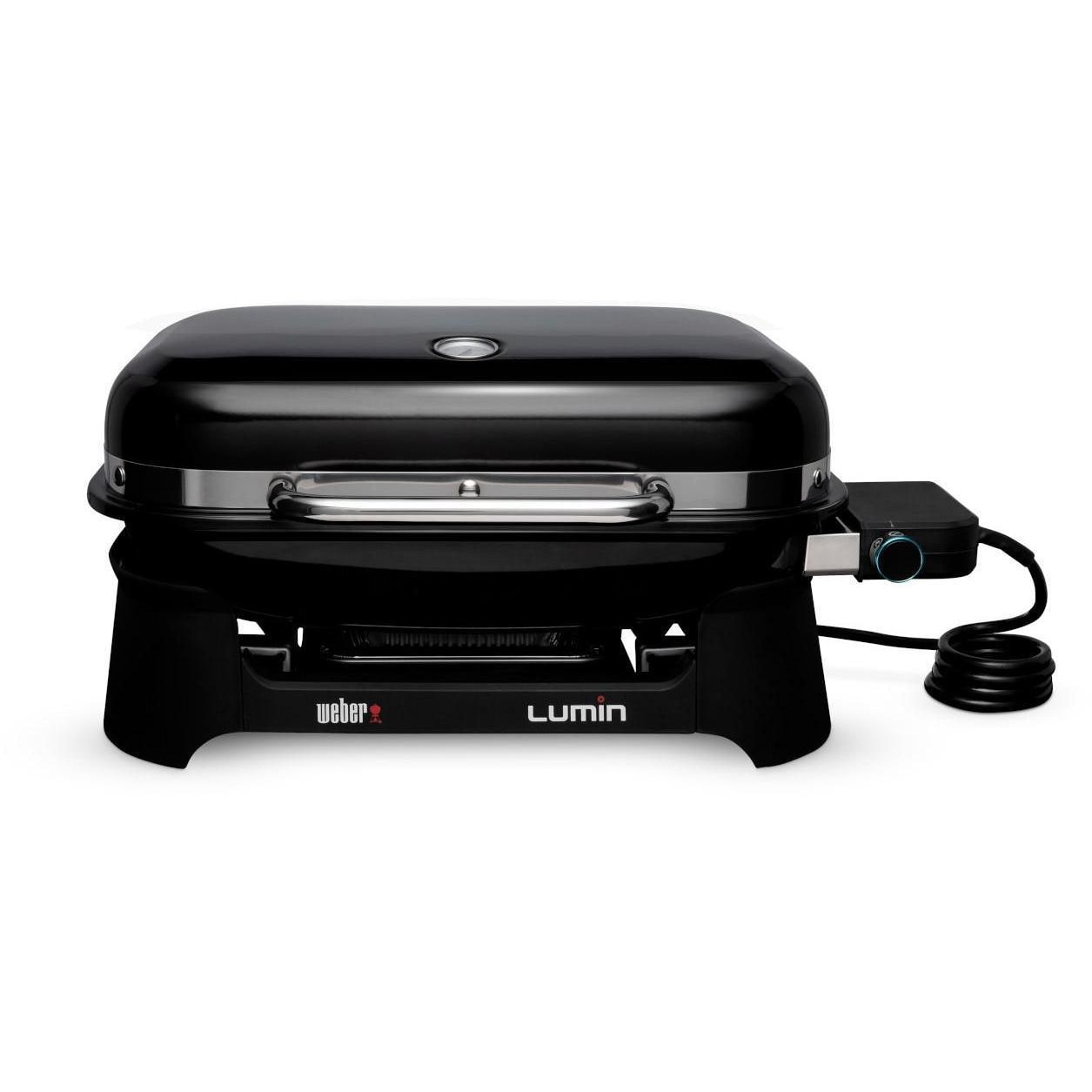
Credit: www.bbqguys.com
Flavor Differences Between Electric And Gas Grills
Electric grills and gas grills cook food using different heat sources. This causes differences in the flavor of the grilled food. Many people wonder if electric grills taste like gas grills.
Understanding how each grill type affects flavor helps you choose the right grill for your taste. Let’s explore how gas grills add flavor compared to electric grills.
How Gas Grills Impart Flavor
Gas grills use propane or natural gas to create flames. The flames heat the grill grates and food. This direct heat helps create a char and sear on meats.
When fat drips on the flames, it creates smoke. This smoke adds a smoky flavor to the food. The open flame and smoke work together to give gas-grilled food a distinct taste.
- Flames create searing and char marks
- Fat drippings cause smoke and aroma
- Direct heat caramelizes food surface
- Smoke adds a rich, smoky flavor
Flavor Profile Of Electric Grills
Electric grills use heating elements to warm the food. They do not use open flames. This means less char and no smoke from fat drippings.
Electric grills cook food evenly and cleanly. The flavor is milder and less smoky compared to gas grills. Some electric grills have features to add smoke flavor with wood chips.
- No open flame or direct searing
- Less smoky and lighter flavor
- Even heat reduces burnt spots
- Some models allow added smoke flavor
Role Of Smoke In Grilling Taste
Smoke plays a big part in grilling flavor. It comes from burning wood, charcoal, or fat drippings. Smoke adds depth and richness to grilled foods.
Gas grills create smoke mostly from fat dripping on flames. Electric grills lack this natural smoke. This is why electric grilling tastes less smoky.
- Smoke adds aroma and flavor
- Charcoal and wood add stronger smoke
- Gas grills produce some smoke from fat
- Electric grills have little to no smoke naturally

Credit: www.goodhousekeeping.com
Heat And Cooking Performance
Electric grills and gas grills cook food using heat, but their heat sources differ. This affects how they perform during cooking.
Understanding the heat and cooking differences helps you decide which grill suits your needs better.
Temperature Control Variations
Electric grills offer precise temperature control using built-in dials or digital settings. This helps maintain a steady heat level.
Gas grills change temperature by adjusting the flame size. This can be quick but less exact than electric controls.
- Electric grills keep temperature steady for even cooking
- Gas grills heat up faster but may have hot spots
- Electric controls are easier for beginners
Heat Distribution On Grill Surfaces
Gas grills use open flames that create direct heat. This can cause uneven heat spots across the grill surface.
Electric grills heat metal plates or coils, which spread heat more evenly over the surface. This can reduce hot and cold spots.
- Gas grills may have hotter areas near flames
- Electric grills often provide consistent heat across the plate
- Even heat helps food cook uniformly
Effect On Food Texture And Juiciness
Gas grills give food a smoky flavor and char marks. The high heat seals juices quickly, making food juicy and tender.
Electric grills cook food with less smoke. They may not create the same char, but can keep food moist with steady heat.
- Gas grills add smoky flavor and crisp texture
- Electric grills cook gently, preserving moisture
- Food on gas grills may have more grill marks
Advantages Of Electric Grills
Electric grills offer a unique way to cook food with ease and less hassle. They provide many benefits compared to traditional gas grills.
This article explains the main advantages of electric grills, focusing on convenience, indoor use, and energy efficiency.
Convenience And Portability
Electric grills are easy to use and move around. They heat up quickly and need only an electrical outlet.
- No need for gas tanks or charcoal
- Lightweight and compact design
- Easy to clean after use
- Works well on balconies and patios
Indoor Usage Benefits
Electric grills are safe and practical for indoor cooking. They produce less smoke and no open flame.
| Feature | Electric Grill | Gas Grill |
| Smoke Production | Low | High |
| Open Flame | No | Yes |
| Indoor Use | Safe | Not Recommended |
| Ventilation Needed | Minimal | High |
Energy Efficiency And Safety
Electric grills use energy efficiently and have safety features that reduce risks.
- Controlled temperature settings save power
- Automatic shut-off options prevent accidents
- No fuel leaks or gas explosions
- Easy to monitor cooking progress
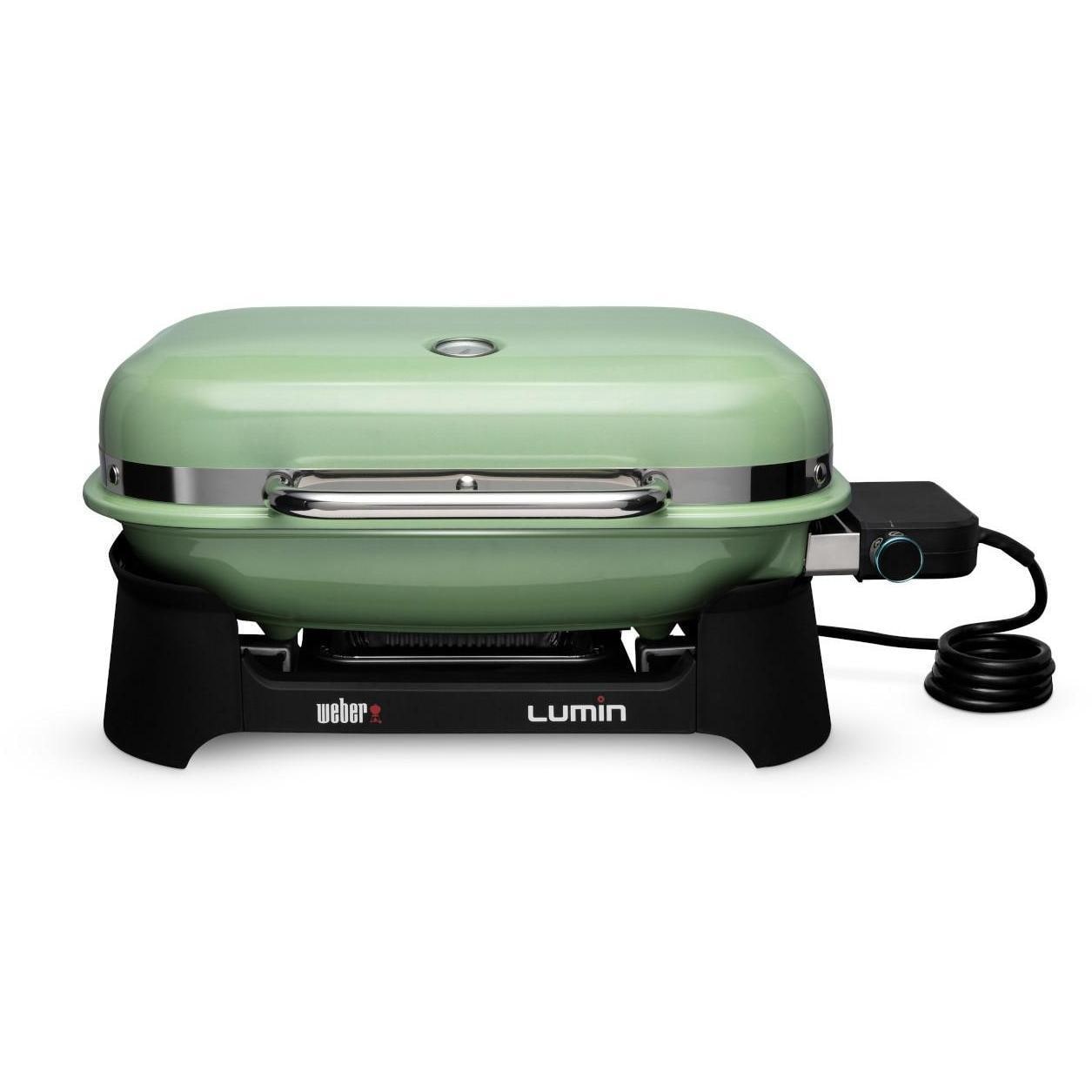
Credit: www.bbqguys.com
Advantages Of Gas Grills
Gas grills offer many benefits for outdoor cooking. They heat up quickly and provide steady temperatures.
These grills let you cook different types of food with ease. They also give a real grilling feel outdoors.
High Heat Output
Gas grills reach high temperatures fast. This helps to sear meat and lock in juices. The heat stays consistent during cooking.
Versatility For Different Cooking Styles
Gas grills can cook many foods with different methods. You can grill, roast, or bake easily. They often have multiple burners for zones.
- Direct grilling for steaks and burgers
- Indirect cooking for slow-roasted dishes
- Using a griddle for vegetables and eggs
- Rotisserie cooking for whole chickens
Authentic Outdoor Grilling Experience
Gas grills provide the real taste of outdoor cooking. They offer easy flame control and quick start-up. You can enjoy the smoky flavors without charcoal mess.
| Feature | Gas Grills | Electric Grills |
| Heat Output | High and steady | Lower and less even |
| Cooking Styles | Multiple options | Limited options |
| Flavor | Smoky outdoor taste | Less smoky, mild taste |
| Ease of Use | Quick start and control | Simple but slower heat |
Tips To Enhance Electric Grill Flavor
Electric grills cook food differently than gas grills. Some people wonder if they can get the same smoky taste. There are ways to add more flavor to your electric grilled meals.
Try simple techniques that bring out rich tastes. Using extra tools and smart cooking helps your food taste better on an electric grill.
Using Wood Chips Or Smoke Boxes
Wood chips add smoke flavor to grilled food. You can use a smoke box or wrap chips in foil with holes. Place them near the heating element to create smoke.
- Soak wood chips in water for 30 minutes before use
- Use mild woods like apple or cherry for a light smoke
- Place the smoke box directly on the grill’s heating element
- Keep the grill lid closed to trap smoke inside
Marinades And Seasonings
Marinades add moisture and flavor to grilled food. Seasonings bring out natural tastes and create a tasty crust. Use herbs, spices, and acids like lemon juice or vinegar.
| Marinade Ingredient | Flavor Effect |
| Olive oil | Keeps food moist |
| Garlic | Adds pungent taste |
| Rosemary | Gives fresh herb flavor |
| Lemon juice | Offers light acidity |
| Black pepper | Provides mild heat |
Proper Preheating Techniques
Preheating your electric grill ensures even cooking and better flavor. It helps sear the food to lock in juices and create grill marks.
- Turn on the grill and set it to high heat
- Close the lid and let it heat for 10–15 minutes
- Check the grill surface; it should be hot before adding food
- Use a grill brush to clean the surface before cooking
- Lower the heat to the cooking temperature after preheating
Choosing Between Electric And Gas Grills
Choosing the right grill can change your cooking experience. Electric and gas grills both have strengths and limits. Knowing their differences helps you pick the best fit for your needs.
This guide covers lifestyle, budget, and taste to help you decide between electric and gas grills.
Lifestyle And Space Considerations
Think about where you will use the grill and how much space you have. Electric grills work well indoors or on small balconies. Gas grills often need more space and outdoor use.
- Electric grills are compact and easy to move.
- Gas grills are larger but heat up faster.
- Electric grills produce less smoke, good for apartments.
- Gas grills need proper ventilation and fuel storage.
Budget And Maintenance Factors
Costs vary for buying and running each grill type. Maintenance also differs. Gas grills may need more cleaning and gas refills. Electric grills are simpler to maintain but use electricity.
| Factor | Electric Grill | Gas Grill |
| Initial Cost | Usually lower | Often higher |
| Fuel Cost | Electricity bills | Propane or natural gas |
| Cleaning | Easy, fewer parts | Needs regular burner care |
| Repairs | Less frequent | More parts to fix |
Personal Taste Preferences
Taste matters most when choosing a grill. Gas grills give a smoky flavor and grill marks. Electric grills cook food evenly but may lack that smoky taste.
- Gas grills add a smoky, charred flavor.
- Electric grills offer consistent heat with less smoke.
- Gas grills are better for searing and flame grilling.
- Electric grills suit slow cooking and indoor use.
Frequently Asked Questions
Do Electric Grills Produce The Same Flavor As Gas Grills?
Electric grills offer a different flavor profile compared to gas grills. They lack the natural smoky taste from gas combustion, but they provide consistent heat. Using wood chips can enhance flavor on electric grills, but the classic gas grill taste is unique.
Are Electric Grills Healthier Than Gas Grills?
Electric grills are generally healthier because they produce less smoke and fewer harmful emissions. They allow fat to drain away from food easily. Gas grills can release more carcinogens due to higher flame exposure. Both grills can produce healthy meals with proper cooking techniques.
Can Electric Grills Reach The Same Temperature As Gas Grills?
Electric grills typically reach lower maximum temperatures than gas grills. Gas grills can reach up to 600°F or more, ideal for searing. Electric grills usually max out around 450°F. However, electric grills maintain steady heat, suitable for most grilling needs.
Is Cooking Time Different On Electric Vs Gas Grills?
Cooking time on electric grills may be slightly longer than on gas grills. Gas grills heat up faster and provide intense direct heat. Electric grills take more time to reach temperature but offer steady cooking, which can result in evenly cooked food.
Conclusion
Electric grills and gas grills offer different flavors and experiences. Electric grills cook food evenly and cleanly. Gas grills give a smoky, charred taste many enjoy. Your choice depends on your needs and space. Both can make tasty meals with the right technique.
Experiment with each to find what suits you best. Taste is personal; try both to decide. Cooking outdoors or indoors also matters in choice. Enjoy grilling, no matter which grill you pick.