

Are you confused about whether to choose an RV grill or a regular grill for your next outdoor cookout? You’re not alone.
Both grills serve the same basic purpose, but they have some key differences that can affect your cooking experience. Understanding these differences will help you pick the right grill that fits your lifestyle and needs perfectly. Keep reading to discover what sets an RV grill apart from a regular grill—and how that knowledge can make your grilling easier and more enjoyable.
Rv Grill Basics
RV grills are made for outdoor cooking during travel. They differ from regular grills in several ways. Understanding these differences helps choose the right grill for your needs.
This guide explains the main points about RV grills and how they compare to regular grills.
Design And Portability
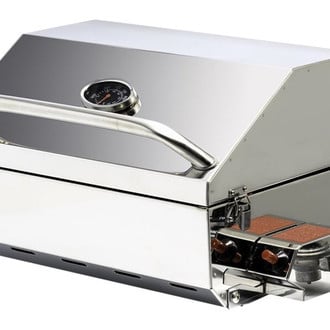
RV grills have compact and lightweight designs. They fit into small storage spaces in RVs. Regular grills are often larger and heavier. They are meant for home use and backyard cooking.
- RV grills often fold or have detachable parts for easy transport.
- Regular grills usually have fixed legs and bigger cooking surfaces.
- RV grills use materials that resist rust and outdoor wear.
Fuel Types Used
Fuel type is a key difference between RV and regular grills. RV grills often use propane tanks that are easy to refill and store. Regular grills can use charcoal, natural gas, or propane.
| Grill Type | Common Fuel Types |
| RV Grill | Propane (small tanks) |
| Regular Grill | Charcoal, Natural Gas, Propane |
Typical Size And Capacity
RV grills are smaller to save space. They cook fewer food items at once. Regular grills have larger cooking areas for big groups.
- RV grills often have cooking surfaces under 300 square inches.
- Regular grills can have surfaces over 500 square inches.
- Smaller size makes RV grills easy to carry and store.
Regular Grill Essentials
Regular grills are common for backyard cooking. They offer a variety of features suited for different needs. Understanding these essentials helps you choose the right grill.
This guide explains the common designs, fuel options, and size variations of regular grills. Each section highlights key points to consider.
Common Designs
Regular grills come in different shapes and styles. Each design affects how you cook and maintain the grill.
- Charcoal grills use hot coals for flavorful cooking.
- Gas grills heat quickly and offer temperature control.
- Electric grills are easy to use indoors or outdoors.
- Portable grills are small and lightweight for travel.
Fuel Options
Fuel type affects grill operation and cooking style. Each fuel has pros and cons to consider before buying.
| Fuel Type | Advantages | Disadvantages |
| Charcoal | Strong smoky flavor, affordable | Longer to heat, needs ash cleanup |
| Propane Gas | Quick start, easy temperature control | Fuel tanks need refilling, less smoky taste |
| Natural Gas | Continuous fuel supply, clean burning | Requires gas line installation |
| Electric | Simple to use, works indoors | No smoky flavor, needs power source |
Size Variations
Grills come in many sizes to fit space and cooking needs. Choosing the right size matters for convenience and food quantity.
- Small grills suit balconies or small patios.
- Medium grills fit average family cookouts.
- Large grills handle big groups or events.
- Extra-large grills may have multiple cooking zones.
Portability Differences
RV grills and regular grills serve different needs. Portability is a key factor that sets them apart.
This section explains how their portability varies in weight, transport, and setup.
Weight Comparison
RV grills are usually lighter than regular grills. They are made for easy carrying and fitting in small spaces.
Regular grills tend to be heavier. They often have bigger cooking areas and more parts.
- RV grills weigh around 10 to 20 pounds
- Regular grills can weigh 30 pounds or more
- Lighter weight helps RV grills stay portable
Ease Of Transport
RV grills are designed to move easily. They fit well inside RV compartments and small car trunks.
Regular grills are bulkier. They may need a trailer or large vehicle to transport.
- RV grills usually have compact shapes
- Regular grills are often large and awkward
- RV grills often include handles or cases
Setup Time
RV grills are made for quick setup. They often have simple parts and easy ignition systems.
Regular grills may take longer to assemble and start. They have more features and larger sizes.
- RV grills can be ready in minutes
- Regular grills may need extra tools or time
- Quick setup suits RV travelers and campers

Credit: www.amazon.ca
Fuel And Efficiency
Understanding the fuel type and efficiency helps choose the right grill for your needs. RV grills and regular grills use different fuels and consume energy differently.
This guide covers propane versus charcoal, fuel consumption rates, and environmental impact for both grill types.
Propane Vs Charcoal
RV grills mainly use propane gas, while regular grills often use charcoal or propane. Propane heats up quickly and gives better temperature control.
Charcoal offers a smoky flavor but takes longer to heat and needs more attention to keep the fire steady.
Fuel Consumption Rates
| Grill Type | Fuel Type | Average Fuel Use | Usage Time per Fuel Unit |
|---|---|---|---|
| RV Grill | Propane | 1 lb per hour | About 1 hour per 1 lb propane tank |
| Regular Grill | Charcoal | 2-3 lbs per hour | About 1 hour per 2.5 lbs charcoal bag |
Propane grills use fuel more efficiently and give longer use per unit. Charcoal grills need more fuel for the same cooking time.
Environmental Impact
- Propane burns cleaner, producing fewer pollutants.
- Charcoal releases more smoke and carbon dioxide.
- Propane tanks can be reused and refilled.
- Charcoal often comes from wood, which may affect forests.
Choosing propane helps reduce air pollution and waste. Charcoal may add flavor but has a bigger environmental footprint.
Cooking Features
RV grills and regular grills differ in how they cook food. Understanding their cooking features helps you choose the right grill for your needs.
Key aspects include heat distribution, temperature control, and the cooking surface. Each affects cooking quality and convenience.
Heat Distribution
RV grills often use compact burners that provide focused heat. Regular grills usually have larger burners spread over a wider area.
- RV grills heat quickly but cover less area
- Regular grills distribute heat evenly over a big surface
- Regular grills often have multiple burners to control zones
Temperature Control
Temperature control varies between RV grills and regular grills. RV grills often have simple knobs with fewer settings.
| Feature | RV Grill | Regular Grill |
| Number of Controls | 1-2 knobs | 3 or more knobs |
| Temperature Range | Medium to high heat | Low to very high heat |
| Precision | Basic control | More precise control |
Cooking Surface
Cooking surfaces differ in size and material. RV grills have smaller surfaces made for portability.
- RV grill surfaces are smaller and often removable for easy cleaning
- Regular grills have larger surfaces for cooking more food at once
- Regular grill surfaces use cast iron or stainless steel for durability
Credit: www.camperid.com
Durability And Materials
Choosing the right grill depends on how durable it is and what materials it uses. RV grills and regular grills differ in these areas. Understanding these differences helps you pick the best grill for your needs.
This article looks at build quality, weather resistance, and maintenance needs of RV grills versus regular grills.
Build Quality
RV grills are built to be compact and lightweight. They use materials that keep the weight down but still hold up well. Regular grills are often larger and heavier. They use thicker metals and parts to last longer.
Both types have sturdy frames, but regular grills tend to have stronger builds for heavy use. RV grills focus more on easy transport and storage.
Weather Resistance
RV grills use materials that resist rust and corrosion well. They are made to handle different weather since they travel a lot. Regular grills may have stronger coatings but are not always designed for constant movement.
Many RV grills have covers or cases to protect them. Regular grills often need extra protection like grill covers or storage in a garage.
- RV grills: Lightweight metals, rust-resistant finishes
- Regular grills: Heavier metals, thicker paint or powder coating
- RV grills: Built for travel and weather exposure
- Regular grills: Built for stable outdoor use
Maintenance Needs
RV grills need less maintenance because they use rust-proof materials. Cleaning is easier due to simple designs. Regular grills have more parts and need regular cleaning to avoid rust.
Regular grills may need more care like checking for rust or repainting parts. RV grills focus on quick cleaning and storage after use.
- RV grills: Easy to clean, low upkeep
- Regular grills: More cleaning, rust checks needed
- RV grills: Designed for quick use and storage
- Regular grills: Designed for long-term use outdoors
Price And Value
Choosing between an RV grill and a regular grill depends on price and value. Both types serve different needs and budgets.
Understanding the cost and benefits helps make the right choice for your cooking style and budget.
Cost Range
RV grills usually cost less than regular grills. They are smaller and made for travel use. Prices start around $50 and go up to $300.
Regular grills are bigger and offer more features. They can cost from $100 to over $1000. The price depends on size and fuel type.
- RV grills: $50 to $300
- Regular grills: $100 to $1000+
Long-term Investment
Regular grills are often a better long-term investment. They last longer and cook more food at once. They suit home use well.
RV grills focus on portability. They may wear out faster but are easy to carry and store. Good for short trips or occasional use.
- Regular grills last longer with proper care
- RV grills offer convenience for travel
- Consider how often you will use the grill
Warranty And Support
Regular grills usually come with longer warranties and better customer support. This adds value by protecting your purchase.
RV grills may have shorter warranties. Their support can vary by brand. Check warranty details before buying.
| Grill Type | Warranty Length | Support Quality |
|---|---|---|
| RV Grill | 1 to 3 years | Basic support |
| Regular Grill | 3 to 10 years | Comprehensive support |
Best Use Cases
Choosing the right grill depends on where and how you plan to cook. RV grills and regular grills serve different purposes. Knowing their best uses helps you pick the right one.
Each grill type fits specific cooking needs. Understanding these needs saves time and improves your grilling experience.
Ideal Scenarios For Rv Grills
RV grills are small and portable. They work well for camping or traveling in an RV. These grills connect easily to the RV’s propane system.
They heat up quickly and fit in tight spaces. RV grills are good for cooking simple meals outdoors without much setup.
- Cooking during road trips or camping
- Using limited space on an RV porch or tailgate
- Quick meals like burgers and hot dogs
- Easy hookup to RV propane tanks
- Grilling where portability is important
When To Choose Regular Grills
Regular grills are larger and offer more cooking space. They work best at home or in a backyard. These grills come in gas, charcoal, or electric types.
They allow more control over heat and cooking style. Regular grills are ideal for big gatherings and longer cooking times.
- Hosting outdoor parties or family barbecues
- Cooking large meals or multiple dishes at once
- Using charcoal for smoky flavor
- Having a permanent grill setup in your yard
- Needing more heat control and cooking options

Credit: www.amazon.ca
Frequently Asked Questions
What Is The Main Difference Between Rv And Regular Grills?
RV grills are compact and portable for travel convenience. They are designed to fit smaller spaces in RVs. Regular grills are larger and more robust, ideal for backyard use. They offer more cooking space and features, making them suitable for home grilling experiences.
Are Rv Grills Suitable For Home Use?
Yes, RV grills can be used at home. They are compact and portable, making them versatile for small spaces. However, their cooking capacity is smaller than regular grills. They’re ideal for those needing a space-saving grilling solution without compromising on portability.
Do Rv Grills Offer The Same Performance As Regular Grills?
RV grills offer good performance but on a smaller scale. They are designed for portability and convenience. Regular grills provide more cooking power and space, making them suitable for larger gatherings. While RV grills meet basic grilling needs, regular grills offer enhanced features and capacity.
Are Regular Grills More Durable Than Rv Grills?
Regular grills are generally more durable due to their robust construction. They are built to withstand outdoor conditions and frequent use. RV grills are designed for portability, which may compromise durability. However, high-quality RV grills can still offer reasonable longevity and performance if well-maintained.
Conclusion
RV grills and regular grills serve different needs. RV grills are compact and easy to carry. Regular grills offer more cooking space and power. Choose based on where and how you plan to cook. Both types can make tasty meals outdoors.
Knowing their differences helps you pick the right grill. Enjoy cooking, whether on the road or at home. Simple choices lead to better grilling experiences.