
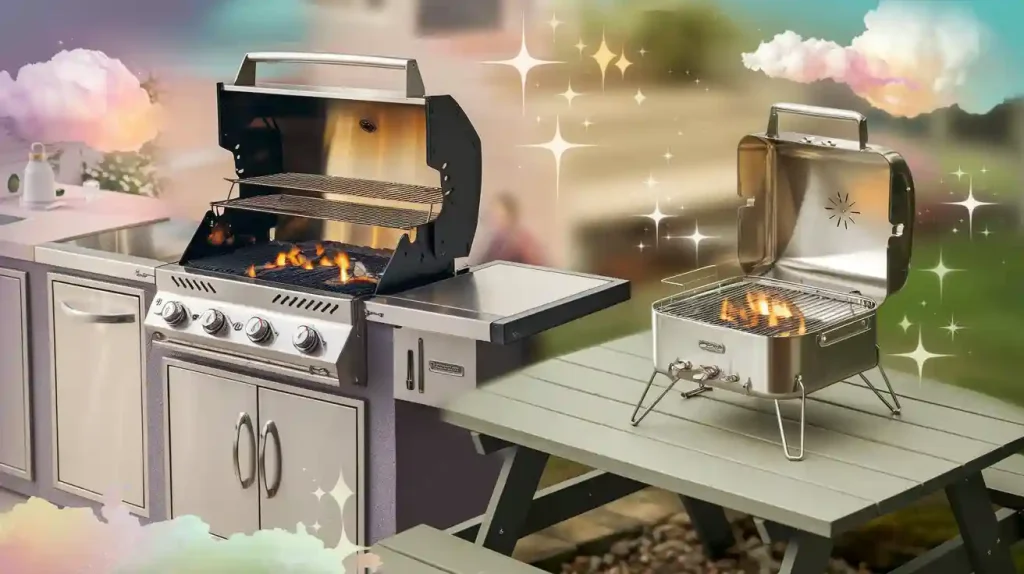
Are you trying to decide between a portable gas grill and a charcoal grill for your next cookout? Choosing the right grill can make all the difference in how your food tastes and how easy your grilling experience is.
You might be wondering which one fits your style better—quick and convenient, or smoky and traditional? Keep reading, and you’ll discover the key differences that will help you pick the perfect grill for your outdoor adventures. Your next barbecue could be your best yet.

Credit: www.treelinereview.com
Types Of Portable Grills
Portable grills come in many forms. They allow you to cook outdoors anywhere you want.
Two popular types are gas grills and charcoal grills. Each has unique features and uses.
Gas Grills Features
Gas grills use propane or natural gas for fuel. They heat up quickly and are easy to control.
- Fast ignition and cooking time
- Adjustable heat levels for precise cooking
- Cleaner burn with less smoke
- Usually lighter and easier to carry
- Requires gas canisters or hookups
Charcoal Grills Features
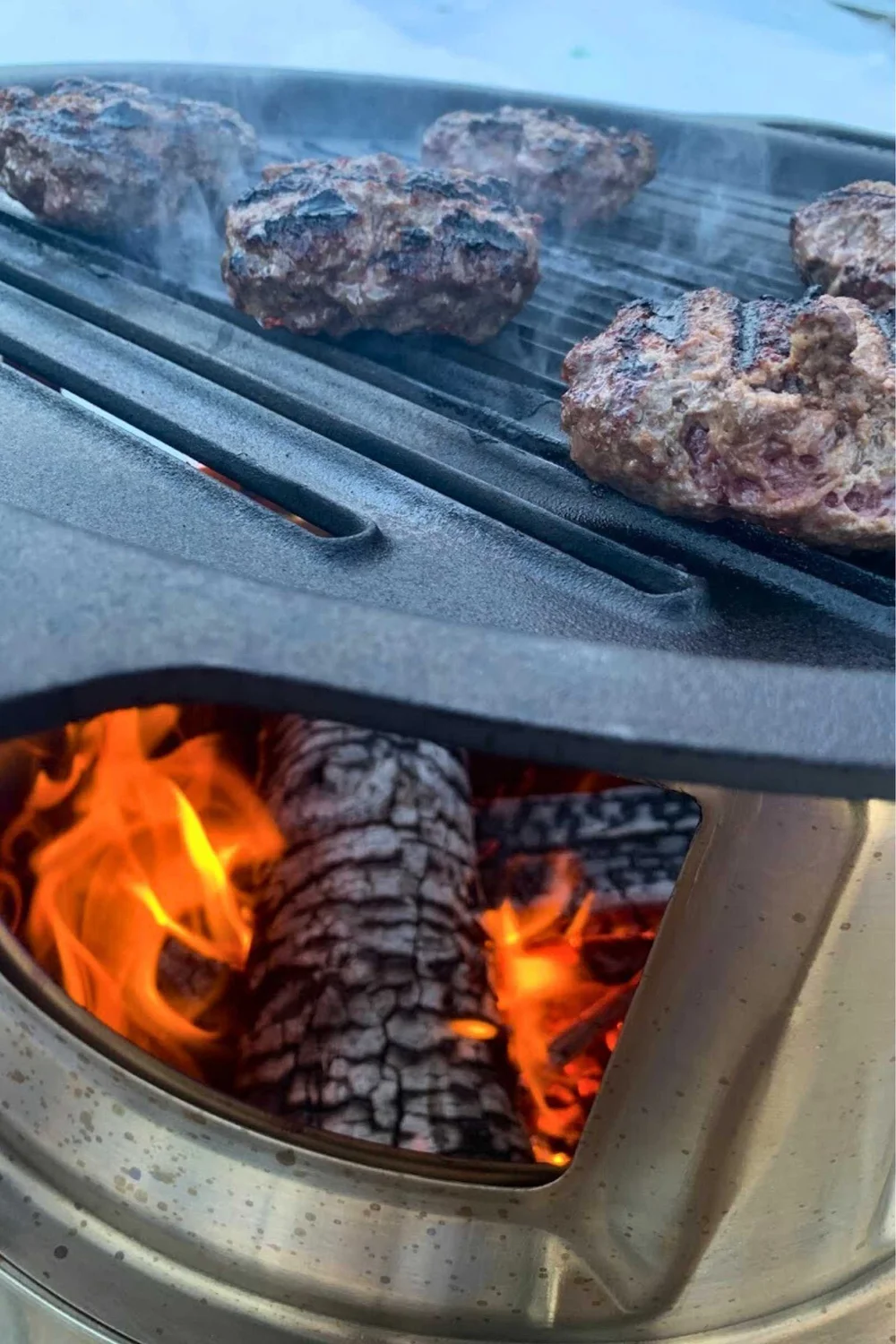
Charcoal grills use charcoal briquettes or lump charcoal. They give food a smoky flavor many enjoy.
| Feature | Details |
| Fuel Type | Charcoal briquettes or lump charcoal |
| Flavor | Rich, smoky taste |
| Heat Control | Manual air vents to adjust temperature |
| Setup Time | Longer to start and heat up |
| Weight | Often heavier and bulkier |
Fuel And Flavor
Choosing between a portable gas grill and a charcoal grill depends on fuel type and flavor. Both grills use different fuels that affect cooking style and taste.
This guide explains the fuel sources and how they change the flavor of your food.
Fuel Sources Explained
Portable gas grills use propane or natural gas as fuel. These fuels burn clean and heat up quickly. They are easy to control with knobs.
Charcoal grills use charcoal briquettes or lump charcoal. Charcoal burns slower and creates more smoke. It takes longer to light and adjust the heat.
- Gas grills: Propane tanks or natural gas lines
- Charcoal grills: Charcoal briquettes or lump charcoal
- Gas heats up faster and cools down quickly
- Charcoal produces smoke and higher heat
Impact On Food Taste
Gas grills provide a clean, consistent heat that cooks food evenly. They do not add extra smoky flavors.
Charcoal grills add a smoky, rich flavor to food. The smoke from burning charcoal and wood chips enhances taste and aroma.
- Gas grills keep food flavor pure and simple
- Charcoal grills add smoky, bold flavors
- Charcoal smoke can give a traditional BBQ taste
- Gas grills offer more control but less smoke flavor
Portability And Setup
Choosing between a portable gas grill and a charcoal grill depends on how easy they are to carry and set up. Both types offer different benefits for outdoor cooking.
Understanding their weight, size, and assembly helps you pick the right grill for your needs.
Weight And Size Considerations
Portable gas grills are usually lighter than charcoal grills. This makes them easier to carry on trips.
Charcoal grills often have bigger bodies and heavier parts. This can make them harder to move.
- Gas grills weigh between 10 to 30 pounds
- Charcoal grills weigh between 20 to 40 pounds
- Gas grills have compact designs for easy packing
- Charcoal grills need more space for coal and ash
Ease Of Assembly
Gas grills often come with parts that fit together quickly. This saves time during setup.
Charcoal grills may need extra steps like adding charcoal and lighting coals. Assembly can take longer.
- Gas grills connect easily to propane tanks
- Charcoal grills require placing and lighting charcoal
- Gas grills usually have fewer parts to assemble
- Charcoal grills need ash cleanup after use
Credit: www.treelinereview.com
Cooking Performance
Choosing between a portable gas grill and a charcoal grill affects how you cook your food. Each grill type offers different ways to control heat and speed up cooking.
This guide looks at heat control options and cooking speed for both grills. Knowing these differences helps you pick the right grill for your needs.
Heat Control Options
Gas grills use knobs to adjust the flame easily. You can change the heat instantly by turning the control knobs. Charcoal grills need you to move the coals or change the air vents. This takes more time and skill to get the right temperature.
- Gas Grill:Precise and quick heat adjustment with knobs.
- Charcoal Grill:Adjust heat by moving charcoal and opening vents.
- Temperature Stability:Gas grills keep steady heat better than charcoal.
- Skill Needed:Charcoal requires practice to control heat well.
Cooking Speed And Efficiency
| Grill Type | Preheat Time | Cooking Speed | Fuel Use Efficiency |
| Portable Gas Grill | 5-10 minutes | Faster, steady heat | More efficient, less waste |
| Charcoal Grill | 15-30 minutes | Slower, variable heat | Less efficient, needs more fuel |
Gas grills heat up fast and cook food evenly. Charcoal grills take longer to reach cooking temperature and may cook unevenly. Gas grills use fuel more efficiently, saving cost and effort.
Cleanup And Maintenance
Keeping your grill clean is important for safety and flavor. Both portable gas and charcoal grills need regular care.
Cleaning methods differ because of how each grill works. Knowing the right steps helps your grill last longer.
Cleaning Process For Gas Grills
Gas grills use burners and gas tubes that require careful cleaning. Grease and food bits can build up inside.
- Turn off the gas and disconnect the propane tank.
- Remove grill grates and soak them in warm soapy water.
- Use a grill brush to scrub the grates after soaking.
- Clean burners with a soft brush to clear blocked holes.
- Wipe the inside of the grill to remove grease and debris.
- Clean the drip pan and replace it if needed.
- Dry all parts before reassembling the grill.
Cleaning Process For Charcoal Grills
Charcoal grills collect ash and soot. Cleaning removes buildup that can affect cooking and airflow.
| Task | Details |
|---|---|
| Remove Ash | Empty the ash catcher or scoop out ash after each use. |
| Clean Grates | Brush grates with a stiff grill brush before and after cooking. |
| Wash Bowl | Use warm soapy water to clean the inside bowl once a month. |
| Check Vents | Clear vents to ensure good airflow during grilling. |
| Cover Grill | Use a grill cover to protect it from rain and dirt. |

Credit: www.treelinereview.com
Cost And Longevity
Choosing between a portable gas grill and a charcoal grill depends on your budget and how long you want it to last.
This guide looks at the initial investment and durability of both types of grills.
Initial Investment
Portable gas grills usually cost more upfront than charcoal grills. Gas grills need a propane tank and sometimes extra accessories. Charcoal grills are simpler and cheaper to buy.
- Gas grills range from $100 to $400 or more.
- Charcoal grills often cost between $30 and $150.
- Fuel costs differ: gas tanks refill, charcoal bags replace.
Durability And Lifespan
Gas grills tend to last longer if cared for properly. Charcoal grills may rust faster because of ash and heat. Both need cleaning to stay in good shape.
| Grill Type | Average Lifespan | Durability Factors |
| Portable Gas Grill | 5-10 years | Proper cleaning, propane tank care |
| Charcoal Grill | 3-7 years | Rust prevention, ash removal |
Safety And Environmental Impact
Choosing between a portable gas grill and a charcoal grill affects safety and the environment. Both types have different risks and impacts. Understanding these can help you make a better choice.
This article explores the safety concerns and environmental effects of each grill type.
Safety Considerations
Portable gas grills use propane or natural gas. They offer quick heat and easy control. But gas leaks can cause fires or explosions if not handled carefully.
Charcoal grills use burning charcoal briquettes. These produce open flames and hot embers. They need more attention to prevent burns and accidental fires.
- Gas grills have a risk of gas leaks.
- Charcoal grills produce hot ash that can cause burns.
- Both types need stable placement to avoid tipping over.
- Keep grills away from flammable materials and buildings.
- Always supervise grills when in use.
Environmental Effects
Gas grills emit less carbon dioxide than charcoal grills. They burn cleaner fuel and produce fewer pollutants.
Charcoal grills release smoke and fine particles. This can harm air quality and affect health. Charcoal production can also contribute to deforestation.
| Aspect | Portable Gas Grill | Charcoal Grill |
| Carbon Emissions | Lower | Higher |
| Air Pollutants | Less smoke | More smoke and ash |
| Fuel Source | Propane or natural gas | Charcoal briquettes |
| Environmental Impact | Fewer pollutants | Possible deforestation |
Best Uses And User Preferences
Choosing between a portable gas grill and a charcoal grill depends on your cooking needs and taste preferences. Each grill type offers unique benefits that suit different situations and users.
Understanding the ideal scenarios for each grill helps you pick the right one for your outdoor cooking style.
Ideal Scenarios For Gas Grills
Portable gas grills are great for quick, easy cooking with less mess. They heat up fast and offer good temperature control. Many users like gas grills for casual gatherings and fast meals.
- Camping trips where fast cooking is needed
- Backyard parties with small groups
- Weeknight dinners requiring quick heat
- Users who prefer convenience and cleaner grilling
- Places where charcoal smoke is not allowed
Ideal Scenarios For Charcoal Grills
Charcoal grills deliver a smoky flavor that many grill lovers prefer. They take longer to heat but give a rich, traditional taste. Users who enjoy the grilling process and flavor often choose charcoal.
| Scenario | Why Charcoal Works Best |
| Picnics or camping with time to spare | Slow cooking with smoky flavor enhances food |
| Grill enthusiasts who enjoy fire management | Hands-on control over heat and smoke |
| Cooking foods like ribs, steaks, or burgers | Charcoal adds a distinct smoky taste |
| Outdoor events where flavor is a priority | Charcoal’s aroma creates a traditional barbecue feel |
| Users who don’t mind cleaning ash | Cleaning is part of the authentic grilling experience |
Frequently Asked Questions
What Are The Benefits Of A Portable Gas Grill?
A portable gas grill offers quick and easy setup, making it ideal for spontaneous barbecues. It provides consistent heat, allowing for precise cooking. Gas grills are generally easier to clean compared to charcoal grills. They are also more environmentally friendly, emitting fewer pollutants than charcoal grills.
Is A Charcoal Grill Better For Flavor?
Yes, many barbecue enthusiasts believe charcoal grills provide a richer, smokier flavor. The smoke from burning charcoal enhances the taste of grilled foods. Charcoal grills can reach higher temperatures, offering better searing. However, they require more time to set up and clean compared to gas grills.
Which Grill Is More Cost-effective?
Charcoal grills are generally more affordable upfront than gas grills. However, the ongoing cost of charcoal can add up over time. Gas grills tend to be more efficient and cost-effective in the long run. They require propane or natural gas, which might be less expensive than continuously purchasing charcoal.
How Portable Are Gas And Charcoal Grills?
Portable gas grills are lightweight, compact, and easy to transport, making them perfect for travel. Charcoal grills can be portable but are often bulkier and heavier. They require additional accessories, such as charcoal and lighter fluid. For camping or tailgating, gas grills are usually the more convenient choice.
Conclusion
Choosing between a portable gas and charcoal grill depends on your needs. Gas grills heat up quickly and offer easy temperature control. Charcoal grills give food a smoky, rich flavor but take longer to cook. Both grills are great for outdoor cooking and travel.
Think about what matters most—speed or flavor. Either way, you can enjoy tasty meals outdoors. Simple, fun, and perfect for your next barbecue.