
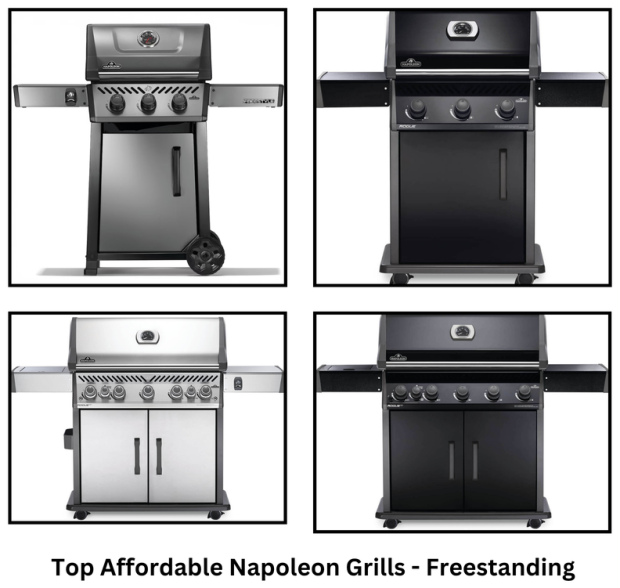
Choosing the right grill can change the way you enjoy outdoor cooking. You might be wondering whether a built-in grill or a freestanding grill suits your space and style better.
Each option has unique benefits that can affect your cooking experience, convenience, and backyard setup. By understanding the key differences, you’ll feel confident in picking the perfect grill that matches your needs and makes every barbecue a hit. Keep reading to discover what sets these two grill types apart and find out which one fits your lifestyle best.
Built-in Grill Features
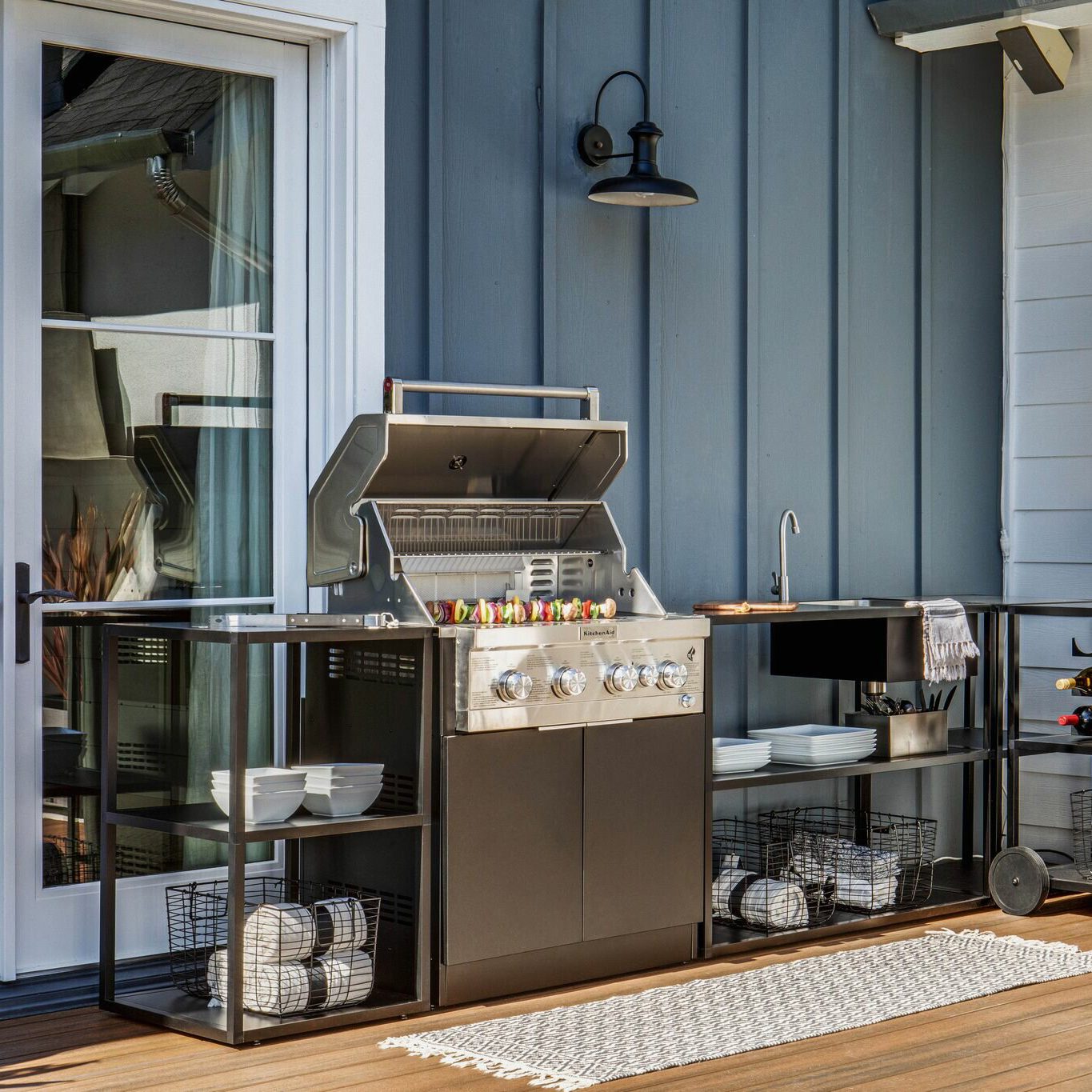
Built-in grills are popular for outdoor kitchens. They offer a clean and integrated look.
These grills fit into custom spaces and provide a permanent cooking area outside.
Design And Installation
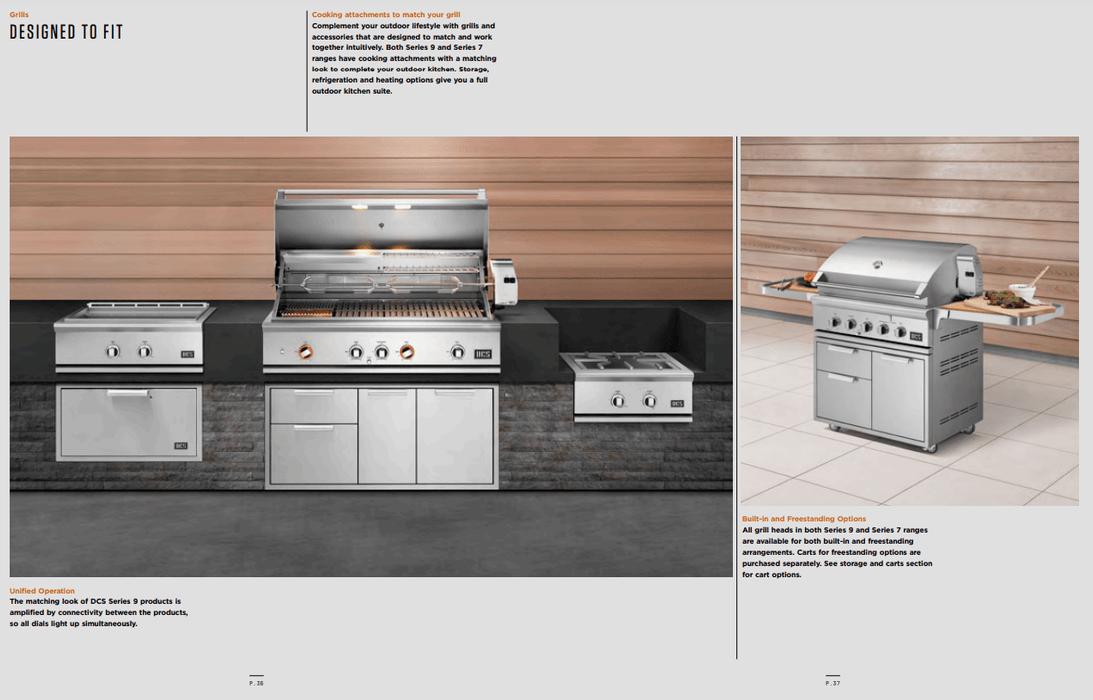
Built-in grills are designed to fit into outdoor kitchen counters or islands. They give a sleek and modern look.
Installation requires planning and often professional help. The grill must fit perfectly and connect to gas or electricity safely.
- Requires built-in space in the outdoor kitchen
- Needs proper ventilation and gas connections
- Usually fixed and cannot be moved easily
Material And Durability
Built-in grills use high-quality materials to handle outdoor weather. Stainless steel is the most common choice.
These materials resist rust and heat damage. They last a long time with regular care.
- Stainless steel for rust resistance
- Cast iron parts for heat retention
- Durable knobs and handles
Customization Options
Built-in grills offer many ways to customize your cooking space. You can choose different sizes and features.
You can add extra burners, storage, or side tables. This lets you create a grill that fits your needs.
- Various grill sizes and burner numbers
- Optional side burners and storage drawers
- Custom finishes and trim kits
Credit: www.familyhandyman.com
Freestanding Grill Features
Freestanding grills stand alone and can be placed anywhere outside. They offer many features that make grilling easy and fun. Understanding these features helps you choose the right grill for your needs.
This section explains key features of freestanding grills. We will look at portability and mobility, size and storage, and fuel types and options.
Portability And Mobility
Freestanding grills often come with wheels or handles. This makes moving them easier. You can place them on patios, decks, or even take them to a park for a picnic.
- Many models have two or four wheels for smooth movement
- Handles help you push or pull the grill without effort
- Some grills are compact and lightweight for easy transport
- Locking wheels keep the grill stable during cooking
Size And Storage
Freestanding grills vary in size to fit different spaces. Some are large with many burners. Others are small for compact areas.
| Size Type | Typical Width | Storage Need |
|---|---|---|
| Compact | Less than 30 inches | Fits small patios or balconies |
| Medium | 30 to 45 inches | Needs moderate outdoor space |
| Large | Over 45 inches | Best for big decks or backyards |
Fuel Types And Options
Freestanding grills use different fuels. Each fuel type offers unique benefits. Choose one that suits your cooking style and convenience.
- Propane gas grills heat quickly and are easy to start
- Natural gas grills connect to home gas lines for steady fuel
- Charcoal grills give a smoky flavor but take longer to heat
- Electric grills are clean and simple, best for small spaces
Performance Comparison
Built-in and freestanding grills offer different cooking experiences. Understanding their performance helps you pick the right one.
This section compares heat distribution, cooking capacity, and temperature control of both grill types.
Heat Distribution
Built-in grills usually have better heat distribution. They are fixed in place and often use higher-quality materials.
Freestanding grills may have hot or cold spots. They are portable and sometimes made with lighter materials.
- Built-in grills heat more evenly
- Freestanding grills can have uneven heat
- Material and design affect heat spread
Cooking Capacity
Built-in grills tend to have larger cooking surfaces. They fit well in outdoor kitchens with extra space.
Freestanding grills are smaller and easier to move. They suit smaller patios or quick setups.
| Grill Type | Cooking Capacity |
|---|---|
| Built-In Grill | Large surface, cooks more food |
| Freestanding Grill | Smaller surface, cooks less food |
Temperature Control
Built-in grills often have precise temperature controls. They use advanced burners and better insulation.
Freestanding grills can have simpler controls. Some models may need more attention to keep steady heat.
- Built-in grills keep steady temperatures well
- Freestanding grills may need more adjustments
- Both types offer manual and automatic controls
Maintenance And Cleaning
Grills need regular care to stay in good shape. Built-in and freestanding grills differ in how you clean and maintain them.
Understanding these differences helps you keep your grill safe and working well for many years.
Cleaning Ease
Freestanding grills are easier to clean because you can move them around. You can access all sides to clean thoroughly.
Built-in grills are fixed in one place. Cleaning behind and under the grill can be hard and needs more effort.
Upkeep Requirements
Built-in grills often need more upkeep. You must check the surrounding structure for damage or wear.
Freestanding grills need regular cleaning of parts and checking gas or electric connections. They are simpler to maintain overall.
- Built-in grills require inspection of countertop and housing
- Freestanding grills need part replacement and surface cleaning
- Both require grease removal to prevent fire risk
Longevity
Built-in grills last longer if you maintain the structure around them well. They stay protected from weather.
Freestanding grills may wear faster due to exposure. You must cover or store them indoors during bad weather.
- Built-in grills benefit from permanent installation
- Freestanding grills need extra care to extend lifespan
- Cleaning and upkeep directly affect how long grills last
Cost Considerations
Choosing between a built-in and freestanding grill involves thinking about costs. Understanding the expenses helps you pick the right option for your budget.
Costs vary from the start to the long term. Each grill type has unique charges for purchase, installation, and maintenance.
Initial Investment
Built-in grills usually cost more upfront because of their design and materials. Freestanding grills tend to be cheaper and easier to buy.
- Built-in grills need strong, weather-proof materials.
- Freestanding grills come ready to use.
- Price depends on size, brand, and features.
Installation Expenses
Installing a built-in grill often requires professional help. Freestanding grills usually need no special installation, which lowers the cost.
| Type | Installation Cost | Notes |
|---|---|---|
| Built-In Grill | $500 – $2,000 | Needs custom countertop and gas line work |
| Freestanding Grill | Minimal to none | Usually plug and play |
Long-term Costs
Long-term costs include fuel, maintenance, and repairs. Built-in grills can be more expensive to fix because they are fixed in place.
- Freestanding grills are easier to move and repair.
- Built-in grills may need more upkeep due to exposure.
- Fuel costs vary by grill type and usage.
Space And Location Factors
Choosing between a built-in and a freestanding grill depends a lot on space. Your available area and where you want to place the grill matter.
Both grills have different needs for installation and use. Knowing these can help you pick the best option for your home.
Outdoor Kitchen Integration
Built-in grills fit into an outdoor kitchen setup. They are often part of a countertop or cabinet design.
This type of grill blends well with other cooking appliances. It creates a smooth and organized look in your outdoor kitchen.
Balcony Or Patio Suitability
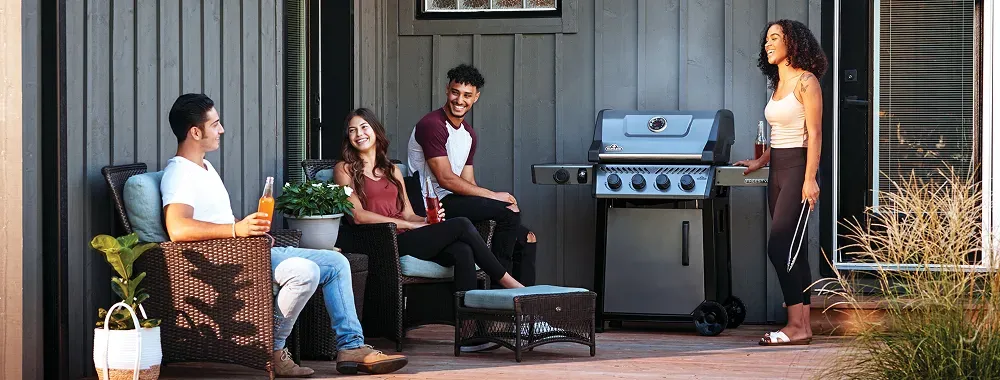
Freestanding grills are good for balconies or patios. You can move them around to save space or avoid bad weather.
Built-in grills need more permanent space. They are best if you have a large patio or yard where you can install them safely.
- Freestanding grills are portable and flexible.
- Built-in grills need a fixed spot.
- Balconies suit smaller, movable grills.
- Patios can hold bigger, built-in setups.
Storage Needs
Freestanding grills often have wheels for easy storage. You can move them inside or cover them when not in use.
Built-in grills stay in place. They usually have built-in storage like cabinets or shelves around them for tools and supplies.
- Freestanding grills need space for storage when not used.
- Built-in grills include storage areas in their design.
- Consider how much space you have for grill accessories.
Safety And Regulations
Choosing between a built-in and a freestanding grill requires attention to safety and rules. Both types must follow laws to keep users safe.
Understanding codes and safety tips helps prevent accidents and ensures proper use of your grill.
Building Codes
Building codes set rules for installing grills. Built-in grills often need special permits and must meet strict requirements. Freestanding grills usually have fewer rules but still need safe placement.
Local laws may require distance from walls, non-flammable surfaces, and proper clearance above the grill.
Ventilation Requirements
Proper ventilation is key for safety and performance. Built-in grills need vents or hoods to remove smoke and gases. Freestanding grills should be placed outdoors with open air.
- Built-in grills require installation of exhaust systems
- Ensure vents are clear of obstructions
- Freestanding grills must not be used indoors or in enclosed spaces
- Check that fresh air flows freely around the grill
User Safety Tips
| Tip | Built-In Grill | Freestanding Grill |
| Placement | Install on a non-flammable surface, away from walls | Keep away from buildings and overhangs |
| Gas Connections | Use certified professionals for installation | Check hoses and connections before each use |
| Fire Safety | Have a fire extinguisher nearby | Never leave grill unattended when lit |
| Cleaning | Clean grease traps regularly | Remove grease buildup after every use |
Credit: queencityonline.com
Choosing The Right Grill
Picking between a built-in and a freestanding grill depends on many factors.
Think about how you cook, your space, and your future plans before buying.
Lifestyle And Cooking Habits
If you cook often and like to entertain, a built-in grill fits well. It blends with your outdoor kitchen and offers more space.
For casual cooking or small gatherings, a freestanding grill is easy to move and store.
- Built-in grills suit large, fixed cooking areas
- Freestanding grills work well for small patios or balconies
- Consider your cooking frequency and style
Budget And Space
Built-in grills often cost more because of installation and materials.
Freestanding grills are usually cheaper and fit tight spaces better.
| Grill Type | Average Cost | Space Needed |
| Built-In | High | Large, fixed area |
| Freestanding | Low to Medium | Compact, portable |
Future Expansion Plans
Think about if you want to expand your outdoor kitchen later.
Built-in grills allow easy addition of side burners, storage, and counters.
Freestanding grills limit upgrades but offer quick setup and relocation.
Credit: bbqing.com
Frequently Asked Questions
What Is A Built-in Grill?
A built-in grill is designed to fit seamlessly into outdoor kitchens or countertops. It offers a custom look and is typically more durable. These grills are ideal for homeowners seeking a permanent outdoor cooking solution. They often come with advanced features and are integrated into the overall design of the outdoor space.
What Is A Freestanding Grill?
A freestanding grill is a portable cooking unit that can be moved around easily. It typically has wheels and is perfect for those who need flexibility. These grills are ideal for smaller spaces or renters. They often come with shelves or carts for additional storage and functionality.
Which Grill Type Is More Cost-effective?
Freestanding grills are generally more cost-effective than built-in grills. They require no installation and are usually less expensive. However, built-in grills offer long-term value and enhanced outdoor aesthetics. Choose based on your budget and outdoor cooking needs.
Can I Convert A Freestanding Grill To Built-in?
Converting a freestanding grill to built-in is possible but requires careful planning. Ensure the grill’s design supports such conversion and consider ventilation needs. Consult with professionals to avoid safety hazards. This option might not be as cost-effective as purchasing a built-in grill from the start.
Conclusion
Choosing between a built-in and freestanding grill depends on your space and needs. Built-in grills fit well in outdoor kitchens and offer a permanent setup. Freestanding grills are easy to move and store. Both types cook food well and bring great flavors.
Think about your budget, space, and how often you grill. This helps you pick the best grill for your home. Enjoy cooking outdoors with the right grill by your side.