

If you rely on a commercial meat slicer for your business, you know how important it is to keep it running smoothly. But what happens when your slicer starts acting up?
Common issues can slow down your work, affect the quality of your cuts, and even put safety at risk. You’ll discover the most frequent problems with commercial meat slicers and how to spot them early. Understanding these issues can save you time, money, and frustration.
Keep reading to make sure your slicer stays in top shape and your business keeps moving forward.
Blade Dullness
Signs of a dull bladeinclude uneven cuts and torn meat. The slicer may need more force to cut. Slices might be thicker or thinner than set. A dull blade also makes loud noises during use. These signs mean the blade is not sharp enough to cut cleanly.
Sharpening techniqueshelp keep the blade effective. Use a sharpening stone or a built-in sharpener. Clean the blade before sharpening to remove debris. Always follow the slicer’s manual for safety. Sharpen the blade regularly to maintain good performance.
When to replace the bladedepends on its condition. Replace the blade if sharpening does not improve cutting. Look for deep chips, cracks, or rust on the blade. A damaged blade can be unsafe and harm the meat quality. Always use the correct replacement blade for your slicer model.
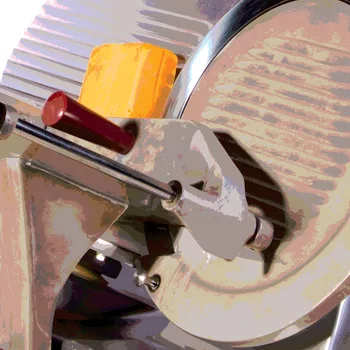
Credit: www.food-safety.com
Motor Problems
Common motor failuresinclude overheating, unusual noises, and failure to start. Motors may stop working due to worn brushes, damaged bearings, or electrical faults. Overheating often happens from running the slicer too long without breaks. Strange sounds can signal loose parts or motor damage.
Troubleshooting motor issuesstarts with checking the power supply and connections. Clean the motor vents to prevent dust buildup. Test the motor brushes and replace if worn. Tighten any loose screws or parts to reduce noise. Consult a technician if the motor still does not run properly.
- Keep the motor clean and dry.
- Allow cooling breaks during heavy use.
- Check brushes and bearings regularly.
- Lubricate moving parts as recommended.
- Store slicer in a dust-free area.
Regular care helps extend motor lifeand avoid costly repairs.
Slicer Jamming
Slicer jamminghappens when meat or fat gets stuck between the blade and carriage. This can stop the machine from working and slow down your work.
Causes of jamminginclude thick meat slices, bones, or too much fat. Dull blades and poor cleaning also cause jams. Using the wrong settings can make things worse.
Clearing the jam safelymeans turning off the slicer and unplugging it first. Use a tool or cloth to remove stuck meat carefully. Never use your fingers near the blade. Clean the slicer well after clearing the jam.
Preventative measureskeep the slicer running smoothly. Sharpen the blade regularly. Cut meat into smaller pieces before slicing. Clean the slicer after each use to stop build-up. Check settings before starting the machine.
Uneven Slices
Uneven slicescan spoil the look and taste of meat. Adjusting thickness settings helps get slices just right. Turn the knob slowly for thinner or thicker cuts. Small changes make a big difference. Check the blade alignment too. A blade not set straight causes uneven slicing. Fix the blade position carefully to avoid damage.
Proper food placement matters a lot. Place meat flat and steady on the slicer tray. Keep it close to the blade but not too tight. Move the food smoothly for clean slices. Avoid pushing too hard; let the slicer do the work.
Electrical Faults
Electrical faultsin commercial meat slicers often come from common wiring problems. Loose connections or damaged wires can cause the slicer to stop working or work erratically. Check for any frayed wiresor burn marksnear plugs and switches.
Regular safety checksare important. Always unplug the slicer before inspecting. Look for signs of overheatingor unusual smells. Test the power switch to ensure it works smoothly. Make sure all wires are secure and insulated properly.
Call a professional if the slicer has frequent electrical issues, sparks, or smells like burning. Do not try to fix complex wiring on your own. A licensed technician can safely repair or replace faulty parts.
Cleaning Challenges
Disassembling commercial meat slicers can be tricky. Most parts fit tightly and need careful handling. Removing blades and guards requires proper tools. Always unplug the slicer before starting. Keep track of small screws and parts to avoid losing them. Clean each piece separately to remove food particles and grease. Use warm, soapy water and a soft cloth or brush. Avoid harsh scrubbing that can damage surfaces.
Cleaning best practices include wiping down the slicer after each use. Use a sanitizer safe for food-contact surfaces. Dry all parts thoroughly to prevent moisture buildup. Regular cleaning reduces bacteria and keeps the slicer working well.
| Avoiding Corrosion and Rust |
|---|
|
Safety Mechanism Failures
Safety guardsare crucial parts of commercial meat slicers. They protect users from the sharp blade. Always check if guards are secure and undamaged. Loose or broken guards increase the risk of injury. Replace any damaged parts immediately to keep the machine safe.
Safety switches stop the slicer if the guard is not in place. Sometimes these switches can fail or get stuck. Resetting safety switches can fix small problems. If a switch does not reset, it may need professional repairor replacement.
Regular inspectionshelp find safety issues early. Check guards, switches, and other safety features often. Keep a log of inspections and repairs. This routine helps prevent accidents and keeps the slicer working well.

Credit: www.reddit.com

Credit: www.safetyandhealthmagazine.com
Frequently Asked Questions
What Are The Most Common Mechanical Issues With Meat Slicers?
Mechanical problems often include blade dullness, motor failure, and belt wear. Regular maintenance prevents these issues and ensures smooth operation.
How Can I Prevent Blade Dullness In Commercial Meat Slicers?
Sharpen blades regularly using the built-in sharpener or a professional tool. This keeps cuts clean and reduces motor strain.
Why Does My Meat Slicer Motor Overheat Frequently?
Overheating usually results from overuse, poor ventilation, or a worn motor. Allow cooldown periods and check for dust buildup.
How Do I Fix Uneven Slicing On My Meat Slicer?
Uneven slicing often comes from a misaligned blade or improper thickness settings. Adjust the blade and calibrate the thickness dial.
Conclusion
Common problems with commercial meat slicers can slow down work. Dull blades make cutting uneven and unsafe. Loose parts cause noise and reduce machine life. Regular cleaning stops food buildup and keeps slicers safe. Proper maintenance saves money and avoids breakdowns.
Knowing these issues helps operators fix problems fast. Stay alert to signs of wear or damage. This keeps the slicer working well every day. Simple care makes a big difference in the long run.