

If you use a commercial slicer in your kitchen or business, keeping it in top shape is essential. Without regular maintenance, your slicer can slow down, wear out quickly, or even become unsafe to use.
You might not realize how small issues can add up, leading to costly repairs or downtime. But don’t worry—this guide will show you a simple, easy-to-follow maintenance schedule that fits into your routine. By sticking to it, you’ll keep your slicer running smoothly, save money, and ensure safety every time you slice.
Ready to make your slicer last longer and work better? Let’s dive in.
Daily Maintenance Tasks
Cleaning Procedureskeep the slicer safe and food-ready. Remove food bits and grease after use. Wipe all surfaces with a damp cloth and mild detergent. Avoid harsh chemicals that can damage parts.
Blade Inspectionensures sharp, safe cutting. Check the blade for nicks, rust, or dullness. Replace or sharpen blades if needed. A sharp blade cuts better and reduces injury risk.
Lubrication Pointskeep the slicer running smooth. Apply food-grade lubricant to moving parts like the carriage slide and blade shaft. Do this daily to prevent wear and tear. Never over-lubricate to avoid food contamination.

Credit: manuals.plus
Weekly Maintenance Checklist
Unplug the slicer for safety first. Remove the blade carefully. Use warm soapy water to scrub parts. Rinse all parts with clean water. Dry them with a towel. Reassemble the slicer once dry. Ensure all parts fit well.
Check the blade for sharpness. Use a sharpening stone for dull blades. Rub the stone against the blade gently. Ensure even sharpening on both sides. Wipe the blade with a clean cloth. Reinstall the blade carefully.
Ensure the safety guard is secure. Test the emergency stop button. Inspect the power cord for damage. Check the blade lock system. Replace any broken safety parts. Keep the slicer safe for all users.
Monthly Maintenance Routine
Inspect electrical componentscarefully to find any loose wires or damage. Faulty parts can cause machine failure or safety hazards.
Tighten all screws and boltsto keep the slicer steady and safe during use. Loose hardware can lead to vibration and poor slicing performance.
Replace worn partslike blades, belts, or guards to maintain efficiency and safety. Using worn parts can cause uneven cuts and increase risk of injury.
Seasonal Maintenance Tips
Calibrating slicer settingsensures slices are even and safe. Check blade thickness and speed regularly. Adjust settings to match product type for best results.
Always review manufacturer guidelinesbefore making changes. These guides offer key tips on proper cleaning and part replacement. Follow them to keep slicers working well and avoid damage.
- Book professional servicingat least once a year.
- Technicians can spot issues early and fix them properly.
- This helps prevent costly repairs and downtime.
Common Maintenance Mistakes
Overlooking blade care can cause dull slicing and damage. Blades need regular sharpeningto stay effective and safe. Neglecting this leads to poor cuts and can harm the machine.
Ignoring safety protocols puts users at risk of injury. Always turn off and unplugthe slicer before cleaning or maintenance. Wearing gloves and following instructions keeps everyone safe.
Using improper cleaning agents can damage the slicer parts. Avoid harsh chemicals that may corrode metalor dull blades. Use mild soap and warm waterto clean, then dry thoroughly.
Tools And Supplies Needed
Essential cleaning toolsinclude soft brushes, microfiber cloths, and food-safe cleaning sprays. These help remove food particles and grease safely from slicer parts. Avoid harsh chemicals to protect the machine’s surface.
Lubricants and sharpenerskeep the slicer running smoothly. Use food-grade lubricants for moving parts. Sharp blades cut better and reduce accidents. Manual or electric sharpeners help maintain blade edges regularly.
Protective gearis important for safety. Wear cut-resistant gloves to protect hands during cleaning and blade sharpening. Safety goggles prevent debris from getting into eyes. Aprons keep clothes clean and reduce slip risks.
Signs Your Slicer Needs Repair
Unusual noisesfrom a slicer often mean parts are worn or loose. Strange sounds like grinding or squeaking need quick attention. These noises can signal motor or blade problems that affect safety and slicing quality.
Inconsistent slicing thicknessshows the slicer is not working well. Slices may be too thick or too thin. This inconsistency makes food look bad and can cause waste. It often means the blade or adjustment settings need fixing.
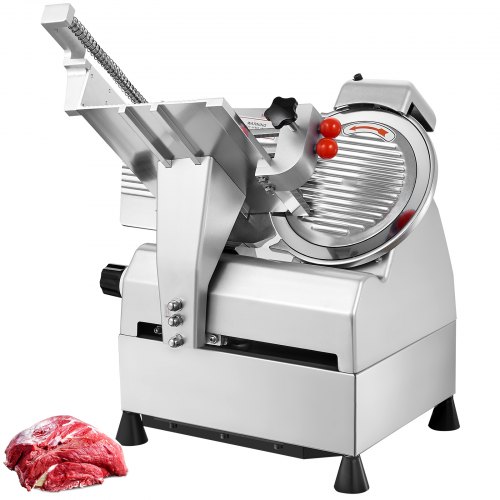
Blade dullness indicatorsinclude difficulty cutting and torn slices. A dull blade makes the slicer work harder and less precise. It can also be unsafe. Regularly check the blade edge and replace it if it looks worn or chipped.
Credit: www.vevor.ca
Extending Slicer Lifespan
Proper usagehelps keep slicers sharp and safe. Always use the slicer for its intended purpose. Avoid forcing thick or hard items that strain the blade. Keep hands clear of the blade during operation. Use the slicer on a stable, clean surfaceto prevent accidents and wear.
Routine maintenance extends slicer lifeand improves performance. Clean the slicer after every use to remove food particles. Regularly check and sharpen the blade to keep cuts smooth. Lubricate moving parts to reduce friction and wear. Inspect for loose screws or damaged parts and fix them promptly.
Proper storage preserves slicer quality. Store the slicer in a dry placeto avoid rust. Cover the blade with a guard to prevent damage and injuries. Keep the slicer away from children and pets to ensure safety.

Credit: partsfe.com
Frequently Asked Questions
How Often Should Commercial Slicers Be Maintained?
Commercial slicers should be maintained weekly for heavy use and monthly for light use. Regular cleaning and blade sharpening are essential. Following a consistent schedule prevents breakdowns and ensures food safety.
What Are The Key Steps In Slicer Maintenance?
Key steps include cleaning all parts, lubricating moving components, and sharpening blades. Inspect for wear and replace damaged parts immediately. Proper maintenance extends slicer lifespan and improves slicing quality.
Why Is Blade Sharpening Important For Slicers?
Blade sharpening ensures clean, precise cuts and reduces strain on the motor. Dull blades can damage products and increase injury risk. Regular sharpening maintains efficiency and safety.
Can Improper Maintenance Affect Slicer Performance?
Yes, neglecting maintenance leads to dull blades, motor strain, and contamination risks. This results in poor slicing quality and potential equipment failure. Proper care keeps slicers running smoothly.
Conclusion
Keeping a regular maintenance schedule helps your commercial slicer work well. Clean and check the blades often. Tighten loose parts to avoid accidents. Follow the guide to save time and money. A well-kept slicer lasts longer and cuts better. Simple care steps make a big difference.
Stay safe and keep your kitchen running smoothly. Regular attention prevents costly repairs later. Small efforts now keep your slicer sharp and ready. Trust the routine to protect your investment and improve daily work.