
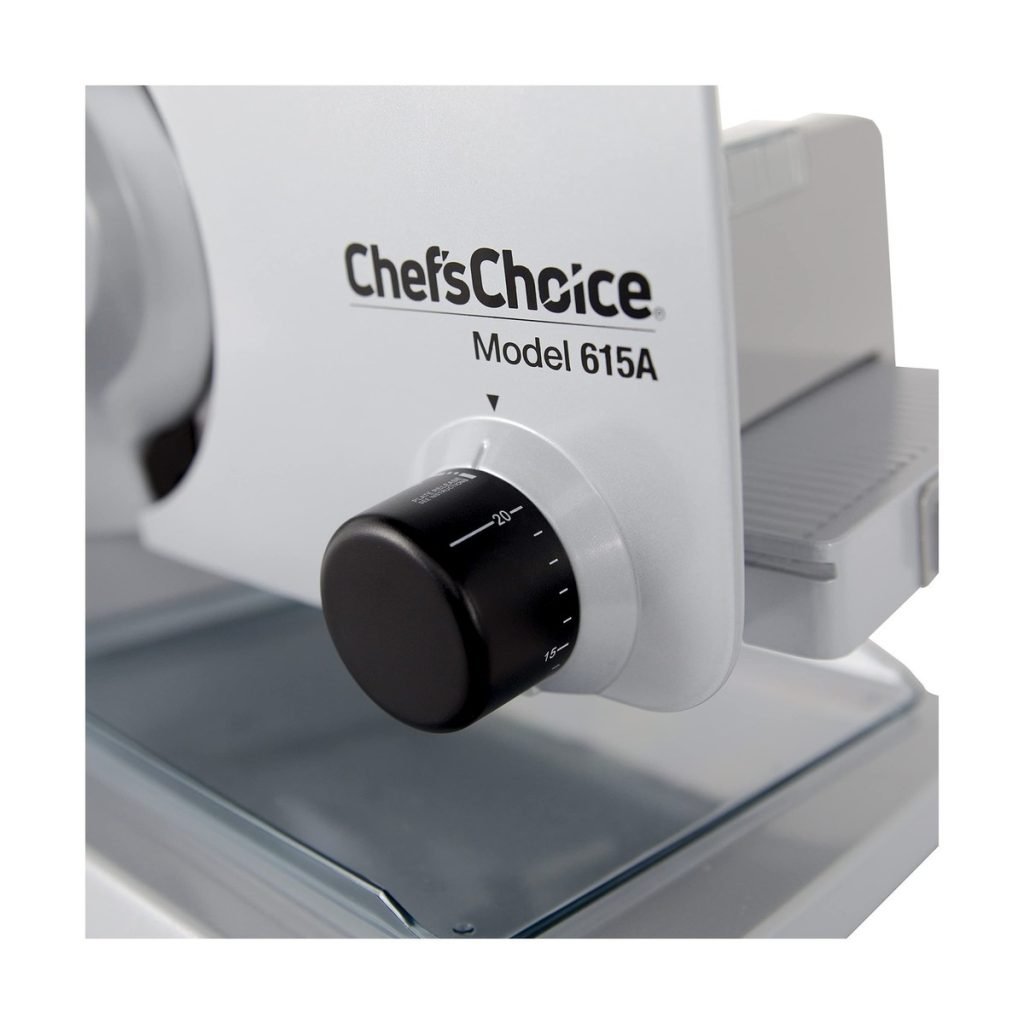
Are you using your Chef’Schoice slicer the right way? One small mistake can lead to cuts or accidents you want to avoid.
This safety guide is made just for you—to help you slice with confidence and keep your fingers safe. Inside, you’ll find simple tips and easy steps that make a big difference. Keep reading, and you’ll discover how to protect yourself while getting the perfect slice every time.
Your safety matters, and this guide shows you exactly how to make it happen.
Credit: www.ebay.com
Choosing The Right Chef’schoice Slicer
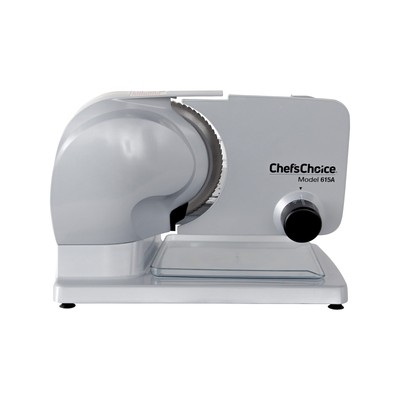
Chef’sChoice offers several slicer types to suit different kitchen needs. Some slicers are manual, perfect for simple tasks. Electric slicers handle larger jobs fast and with less effort. Compact models save space, ideal for small kitchens. Larger, heavy-duty slicers work well in busy settings.
Key features to check include blade sharpness, adjustable thickness, and ease of cleaning. A sturdy base helps keep the slicer stable. Safety guards protect fingers during use. Easy-to-use controls make slicing smoother and safer.
| Safety Certification | Meaning |
|---|---|
| UL (Underwriters Laboratories) | Ensures product meets safety standards in the USA. |
| CE (Conformité Européenne) | Shows compliance with European safety rules. |
| ETL (Electrical Testing Laboratories) | Confirms product passes North American safety tests. |

Credit: www.ebay.com
Preparing Your Slicer For Use
Ensure the slicer is clean and dry before use. Always check that the blade is sharp and properly secured. Keep hands away from the blade to avoid accidents.
Setting Up On A Stable Surface
Place the slicer on a flat table. A firm surface stops it from moving. Make sure there is enough space around it. This helps keep things safe.Checking Blade Condition
Ensure the blade is sharp and clean. A dull blade can slip and cause cuts. Use a soft cloth to clean it gently. Check for rust or damage.Adjusting Thickness Settings
Set the slicer to your desired thickness. Turn the knob to adjust it. Make sure it clicks into place. Test on a small piece first. Adjust if needed. `Safe Operating Practices
The food holdermust always be used to keep fingers safe. It holds the food firmly and stops slipping. Never slice food without it. Keep your fingers away from the sharp blade. Use the holder to push food toward the blade with steady pressure.
Place your hand properlyon the slicer. Keep fingers curled and away from the blade. Hold the handle firmly for full control. Avoid touching the blade directly at any time. This reduces the risk of cuts.
- Stay focused while slicing.
- Avoid using the slicer if tired or distracted.
- Keep the area clear of interruptions.
- Turn off the slicer if you need to stop or clean it.
Cleaning And Maintenance
Always unplugthe slicer before cleaning. This stops any accidents and keeps you safe. Never clean the slicer while it is plugged in.
Remove the blade carefully. Use a cloth to wipe it clean. Avoid touching the sharp edge directly. Use warm, soapy water to clean the blade and slicer parts. Dry them well before putting back together.
| Inspection Point | What to Check | Frequency |
|---|---|---|
| Blade | Look for dullness or damage | Weekly |
| Power Cord | Check for cracks or frays | Monthly |
| Body | Ensure no loose parts | Monthly |
Common Mistakes To Avoid
Ignoring safety guards can lead to serious injuries. These guards protect your hands from the sharp blades. Always check that guards are in place before slicing.
Overloading the slicer puts extra pressure on the machine. This can cause it to jam or break. Use smaller portions to keep the slicer working smoothly.
Using dull blades makes cutting harder and unsafe. Dull blades can slip and cause accidents. Keep blades sharp and change them when needed.

Credit: www.ebay.com
Emergency Procedures
First aid for cutsis very important to stop bleeding fast. Clean the cut with water and mild soap. Use a clean cloth or bandage to press gently on the cut. Keep pressure until bleeding stops. Avoid using strong chemicals or rubbing the wound.
Seek medical helpif the cut is deep, bleeding heavily, or won’t stop after 10 minutes. Also, visit a doctor if the cut is caused by dirty or rusty tools. Watch for signs of infection like redness, swelling, or pus.
- Report malfunctionsimmediately to prevent accidents.
- Stop using the slicer if it is not working properly.
- Tell your supervisor or safety officer right away.
- Do not try to fix the slicer unless trained.
Frequently Asked Questions
How Do I Safely Operate A Chef’schoice Slicer?
Always read the manual before use. Keep hands away from the blade. Use the food pusher and never force slices. Turn off and unplug the slicer before cleaning or adjusting.
What Protective Gear Is Recommended For Slicer Use?
Wear cut-resistant gloves when handling blades or cleaning. Use a non-slip mat under the slicer for stability. Avoid loose clothing or jewelry that may catch on the machine.
How Often Should The Blade Be Cleaned And Maintained?
Clean the blade after each use with warm, soapy water. Regularly check for dullness or damage. Sharpen or replace the blade as needed to ensure safe, efficient slicing.
Can I Slice Frozen Foods With Chef’schoice Slicer?
No, avoid slicing frozen foods as they can damage the blade. Use the slicer only for thawed, firm items. This prevents accidents and prolongs slicer life.
Conclusion
Using the Chef’sChoice slicer safely keeps your kitchen accident-free. Always follow the safety tips shared here. Keep your hands clear of the blades. Clean the slicer carefully after each use. Regular checks help spot any problems early. Safe use means better slicing and less worry.
Stay alert and respect the slicer’s power. Enjoy your cooking with confidence and care. Safety is simple but very important. Keep these points in mind every time you slice.