

Is your Chef’Schoice slicer not cutting like it used to? You rely on it to make perfect slices every time, whether for sandwiches, meats, or cheeses.
But when parts wear out or break, it can slow you down or stop working altogether. Don’t worry—you don’t have to buy a new slicer. You’ll discover exactly which Chef’Schoice slicer parts you can replace yourself to get your slicer back to peak performance quickly and easily.
Keep reading to learn how to save time, money, and frustration with the right replacement parts.
Credit: chefschoice.com
Common Slicer Parts
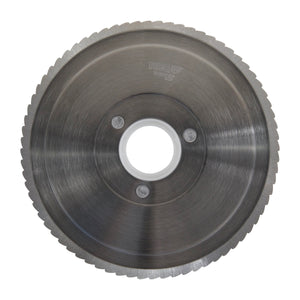
Blades and knivesneed to be sharp and clean for safe slicing. Dull blades cause uneven cuts and can be dangerous. Always check for rust or chips.
The carriage and food pusherhold the food firmly. They help guide the food smoothly across the blade. If they break, slicing becomes hard and unsafe.
The thickness adjustment knobcontrols how thick each slice will be. It should turn easily. If it sticks or breaks, the slices won’t be even.
A blade sharpenerkeeps blades sharp. Some slicers have built-in sharpeners. Using one regularly keeps the slicer working well.
Drive belts and motorspower the slicer. Worn belts or weak motors slow down the slicer or stop it. Replace parts to keep the slicer running smoothly.

Credit: www.amazon.ca
Signs You Need Replacement
Blades cut unevenly and struggle with slicing. Food might stick to them. Replacing them makes slicing smooth again.
Slices come out too thick or thin. Adjusting settings does not help. A new blade may solve this problem.
Strange sounds come from the slicer. Vibrations shake the machine. Parts could be worn out, needing replacement.
Handles and knobs feel tight or hard to turn. Parts might be stuck or broken. New parts can restore easy movement.
Slicer does not power on or loses power. Wires or connections might be faulty. Replacing electrical parts can help.
Finding The Right Parts
Finding the right parts for your Chef’sChoice slicermeans checking the model number. Each model uses specific parts designed to fit perfectly. This ensures the slicer works safely and efficiently.
Buy parts only from authorized dealers and retailers. These sellers provide genuine parts made by the manufacturer. Genuine parts last longer and keep your slicer running well.
Aftermarket parts are cheaper but may not fit well. OEM partsare made by the original brand and fit exactly. Choosing the right type avoids damage and poor performance.
Always check compatibilitybefore buying parts. Compare the part number to your slicer’s model number. This simple step saves time and money.

Credit: www.amazon.ca
Step-by-step Replacement Process
Always unplug the slicer before starting any work. Wear cut-resistant glovesto protect your hands. Keep the workspace clean and dry. Avoid touching the blade directly to prevent injury.
Carefully remove the old blade, guard, and screws. Use the right tools to avoid damage. Place old parts aside for disposal or recycling. Clean the area before installing new parts.
Align the new blade and guardproperly. Tighten screws securely but do not overtighten. Check that all parts fit well and move smoothly. Follow the slicer manual for specific instructions.
Plug in the slicer and turn it on. Run the slicer without food to check operation. Listen for unusual sounds or vibrations. Make sure the blade spins smoothly and safely.
Maintenance Tips For Longevity
Keeping your Chef’Schoice slicer partsclean helps prevent damage. Use a soft cloth and mild soap. Avoid harsh chemicals that may harm the blades or plastic parts.
Sharpening blades regularly keeps them sharp and safe. Use the recommended sharpener for your model. Sharpen slowly and evenly to avoid damage.
Lubricate moving parts to keep the slicer running smoothly. Use food-safe oil and apply sparingly. Avoid over-lubrication as it attracts dust and debris.
Store the slicer in a dry placeto avoid rust. Cover it to protect from dust. Keep blades away from moisture and direct sunlight.
Troubleshooting Common Issues
Blade not rotatingoften means the blade or motor is stuck. Check for food bits or debris blocking the blade. Clean the slicer and ensure the blade is properly seated. Also, inspect the drive belt for wear or damage.
Uneven sliceshappen if the blade is dull or not aligned. Sharpen or replace the blade for better cuts. Make sure the thickness knob is set correctly and parts are assembled firmly.
Motor overheatingcan occur if the slicer runs too long without a break. Let the motor cool down after heavy use. Clean vents and ensure the slicer is on a flat surface for good airflow.
Parts not fitting properlymay cause safety risks or poor performance. Confirm you use parts made for your specific Chef’Schoice model. Check for broken or warped parts and replace them if needed.
Frequently Asked Questions
What Are Common Chef’schoice Slicer Parts To Replace?
Common parts include blades, blade sharpeners, food holders, and safety guards. Regular replacement ensures optimal slicing performance and safety.
How Do I Know When To Replace Slicer Blades?
Replace blades when they become dull, nicked, or cause uneven slicing. Sharp blades improve efficiency and food presentation.
Can I Buy Chef’schoice Slicer Parts Online?
Yes, many authorized retailers and the official Chef’Schoice website sell genuine replacement parts for slicers.
Is It Easy To Replace Chef’schoice Slicer Parts?
Yes, most parts are designed for easy replacement. Follow the user manual for step-by-step instructions.
Conclusion
Replacing Chef’sChoice slicer parts keeps your machine working well. It saves money by avoiding full replacements. Regular care and timely part changes improve slicing quality. You get consistent results every time you use it. Parts are easy to find and install.
This helps you enjoy fresh, evenly sliced food. Keep your slicer in top shape with simple fixes. A well-maintained slicer makes kitchen tasks faster and safer. Small steps make a big difference in your cooking experience.