

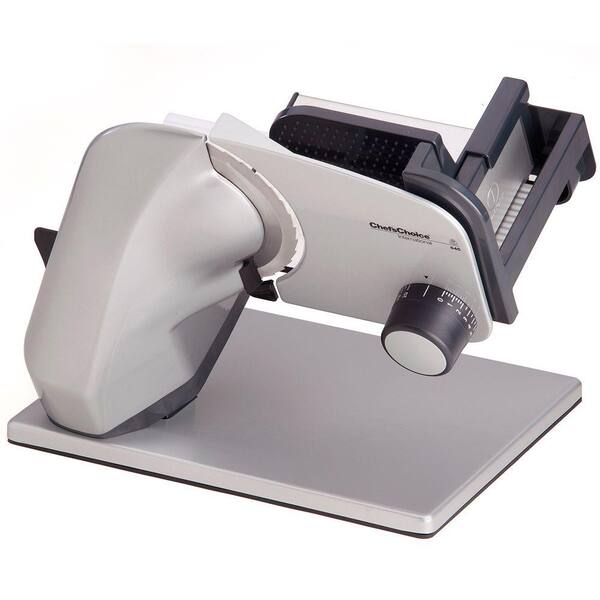
If you own a Chef’Schoice slicer, you know how important it is to keep it running smoothly. But do you ever wonder how to maintain your slicer so it stays sharp, safe, and efficient?
This guide will show you simple, effective steps to care for your Chef’Schoice slicer. By following these tips, you’ll save time, avoid costly repairs, and get perfect slices every time. Keep reading to learn how easy it is to extend the life of your slicer and enjoy the best results with every use.
Credit: www.ruben.at
Daily Cleaning Routine
Begin by unplugging the slicer for safety. Remove the blade guard, food carriage, and other detachable parts carefully. Set these parts on a clean surface to avoid dirt.
Use warm water and mild soap to clean each piece. Avoid harsh chemicals that can damage the slicer. A soft cloth or sponge works best for wiping down surfaces.
- Clean the blade gently to prevent dulling.
- Wipe the motor base carefully without soaking it.
- Use a brush for hard-to-reach spots.
Allow all parts to dry completely before reassembling. Use a clean towel to speed up drying if needed. Reattach all pieces firmly to ensure proper function.
Blade Care And Sharpening
Blades get dull over time. It’s important to know when to sharpen. If slicing feels tough, it’s time. Listen to the sound. Dull blades make noise. Check the blade edge too. It should be smooth and sharp. If not, sharpening is needed.
Chef’sChoice slicers often have a built-in sharpener. First, unplug the slicer. Then, adjust the sharpener to the correct angle. Turn on the slicer. Let it run briefly. This sharpens the blade quickly. Always ensure safety. Never touch the moving blade.
Manual sharpening needs care. Use a proper sharpening stone. Hold the blade at a 20-degree angle. Move it back and forth gently. Repeat until sharp. Always check the blade edge. It should be even and smooth. Practice makes perfect.
Lubrication And Moving Parts
The blade shaftand adjustment knobsare key parts to lubricate. These parts move often and need smooth operation. The slide rodswhere the carriage moves also require lubrication. Avoid oil on the blade itself to keep food safe.
| Recommended Lubricants | Why Use It |
|---|---|
| Food-grade mineral oil | Safe for food contact, non-toxic |
| Silicone spray | Prevents rust, keeps parts moving smoothly |
| Light machine oil | Good for metal parts, reduces wear |
Lubricate all moving parts every 3 to 6 months. Check parts monthly for dryness or stiffness. More frequent lubrication may be needed with heavy use.

Credit: www.ebay.com
Storage Best Practices
Safe storage locationskeep your slicer clean and ready. Place the slicer in a dry, cool spot away from direct sunlight. Avoid areas near heat sources or damp places.
Covering the slicerprotects it from dust and dirt. Use a clean, breathable cover to avoid trapping moisture. A cloth cover works better than plastic.
Avoiding moisture damageis key to slicer care. Dry all parts completely after cleaning. Store the slicer in a place with good air flow to stop rust and mold.
Troubleshooting Common Issues
Uneven slicingoften happens due to dull blades or improper blade alignment. Clean the blade and check if it is sharp. Adjust the blade to ensure it sits properly in the slicer. Food not being fed evenly can also cause uneven slices. Make sure food is placed flat and pressed firmly against the guide.
When motor performance drops, check the power source and cord for damage. Overheating can slow the motor. Let the slicer rest for a while if it feels hot. Dirt or food stuck inside the motor area can reduce power. Clean the motor housing carefully.
Noisy operationmight be due to loose screws or worn parts. Tighten all visible screws and bolts. Lubricate moving parts with food-safe oil to reduce friction noise. Check if any parts are cracked or broken and replace them as needed.
Replacing Parts
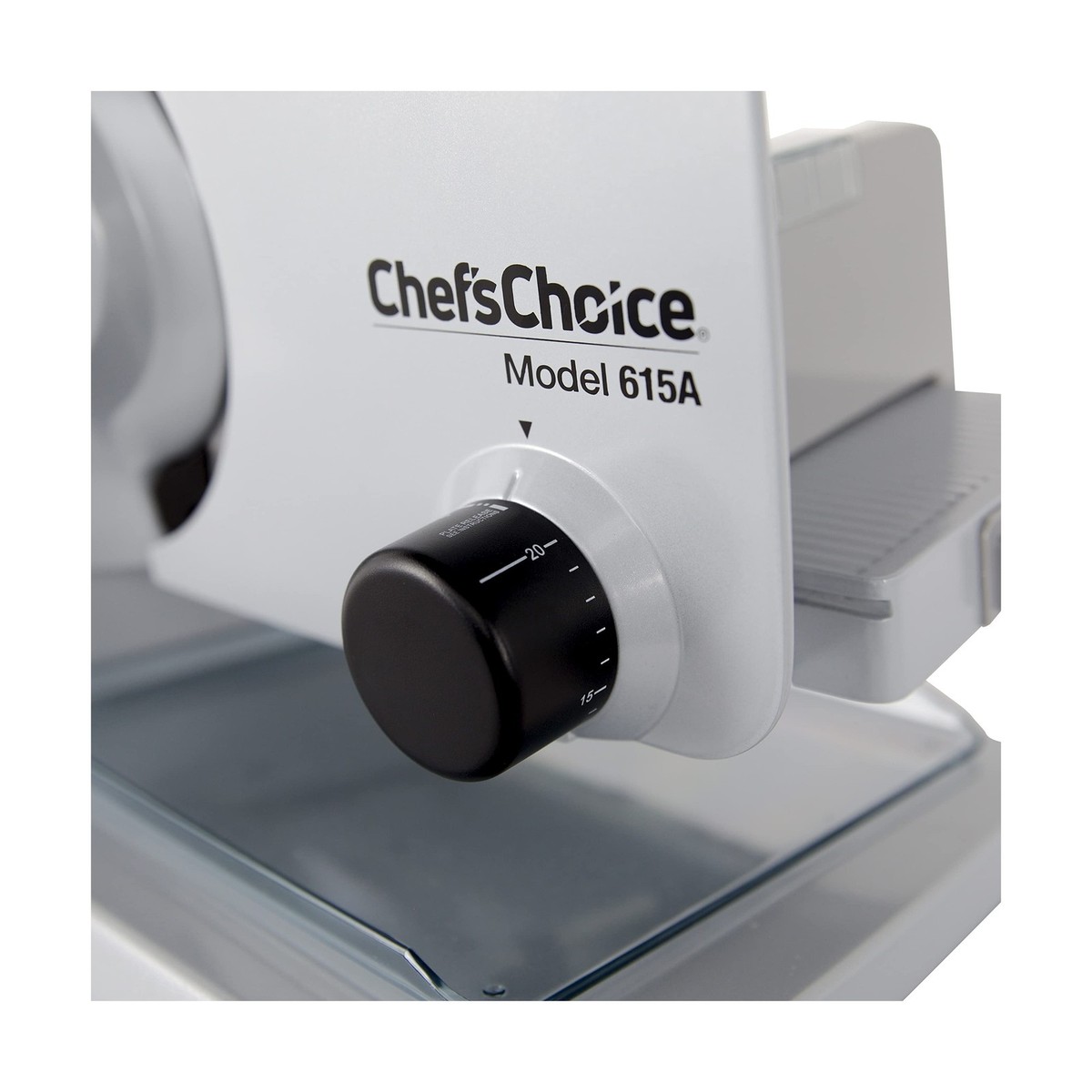
Parts may need replacement if the slicer cuts unevenly or jams often. Dull blades or cracked components also signal replacement time. Strange noises or loose parts indicate wear. Always use genuine Chef’Schoice partsto keep the slicer safe and working well.
Genuine parts can be found on the official Chef’Schoice website or from authorized dealers. Avoid cheap copies; they can damage the slicer or be unsafe. Check your slicer’s model number to order the correct parts.
- Unplug the slicer before starting.
- Remove the blade guard carefully.
- Take out the old blade or part.
- Clean the area before installing new parts.
- Install the new part securely.
- Reattach the blade guard.
- Plug in the slicer and test it gently.
Credit: www.ebay.com
Frequently Asked Questions
How Often Should I Clean My Chef’schoice Slicer?
Clean your Chef’Schoice slicer after each use to ensure hygiene. Regular cleaning prevents food buildup and maintains slicer performance. Use warm, soapy water and a soft cloth for safe cleaning. Avoid harsh chemicals that can damage the slicer parts.
What Is The Best Way To Sharpen Slicer Blades?
Use the built-in sharpening system provided by Chef’Schoice for optimal results. Regular sharpening keeps blades sharp and ensures smooth slicing. Follow the manufacturer’s instructions carefully to avoid damaging the blade or slicer.
How Can I Safely Maintain The Slicer’s Motor?
Keep the motor area free from debris and moisture. Regularly inspect for unusual noises or overheating during use. Avoid running the slicer continuously for extended periods to prevent motor strain and ensure longevity.
When Should I Replace Parts Of My Chef’schoice Slicer?
Replace worn or damaged blades, belts, and other components promptly. Timely replacement maintains slicer efficiency and safety. Always use genuine Chef’Schoice replacement parts for compatibility and quality assurance.
Conclusion
Keeping your Chef’Schoice slicer clean and sharp extends its life. Regular maintenance ensures smooth, safe slicing every time. Check blades often and clean parts after use. Proper care saves you money and effort later. A well-maintained slicer helps prepare food quickly and easily.
Follow these simple steps to keep your slicer working well. Enjoy better results with less hassle. Simple habits make a big difference in slicer performance.