
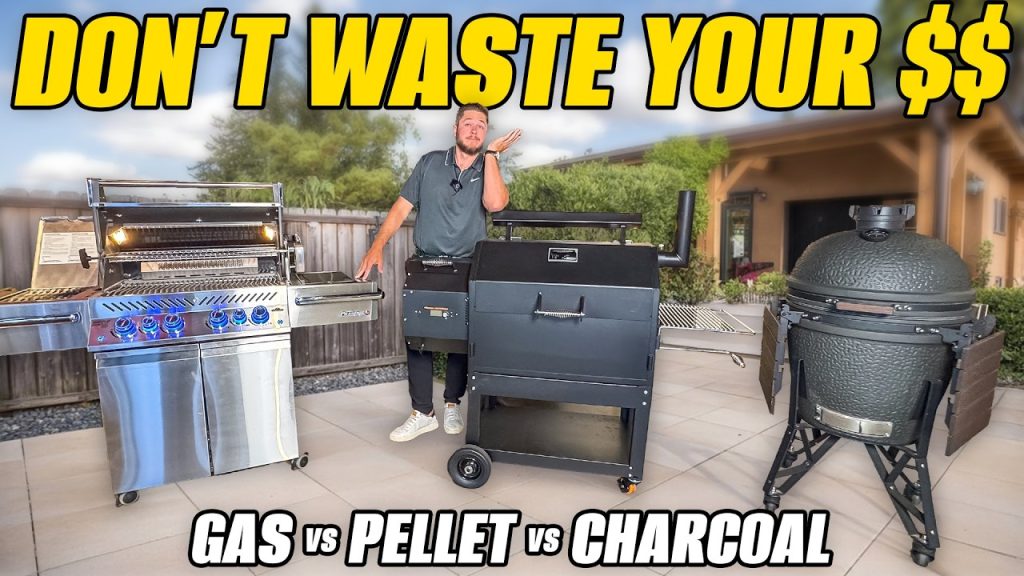
When it comes to grilling, choosing the right type of grill can make all the difference in your cooking experience and the flavor of your food. You might be wondering: should you go for a charcoal grill or a pellet grill?
Each offers unique benefits, but which one fits your style and needs best? You’ll discover the key differences, pros, and cons of charcoal and pellet grills. By the end, you’ll feel confident about which grill will help you create mouthwatering meals every time you fire it up.
Keep reading to find the perfect match for your next barbecue.

Credit: www.siuhaau.com
Charcoal Grill Basics
Charcoal grills use charcoal briquettes or lump charcoal as fuel. They give food a smoky flavor that many people enjoy.
Learning how charcoal grills work helps you cook better. You control heat by adjusting the charcoal and air flow.
Fuel And Flavor
Charcoal is the main fuel for these grills. It burns hot and adds a smoky taste to your food.
There are two main types of charcoal: briquettes and lump charcoal. Briquettes burn evenly and longer. Lump charcoal lights faster and burns hotter.
- Charcoal adds a rich, smoky flavor
- Briquettes provide steady heat
- Lump charcoal burns hotter and faster
- Wood chunks can be added for extra smoke
Heat Control Techniques
You control heat by moving the charcoal and adjusting air vents. More air makes the fire hotter.
Use a two-zone setup for better cooking. Place coals on one side for direct heat. Leave the other side empty for indirect heat.
- Open vents increase temperature
- Close vents reduce heat and smoke
- Move charcoal closer or farther from food
- Use two zones for grilling and slow cooking
Setup And Ignition
Start by placing charcoal in the grill’s firebox or bowl. Arrange it based on the cooking method you want.
Light charcoal with a chimney starter or lighter cubes. Avoid using lighter fluid as it can affect flavor.
- Use a chimney starter for safe ignition
- Arrange charcoal for direct or indirect heat
- Let charcoal ash over before cooking
- Keep vents open for airflow during startup

Credit: www.tasteofhome.com
Pellet Grill Essentials
Pellet grills offer a unique way to cook food using wood pellets. They combine the flavor of wood smoke with easy temperature control.
Understanding how pellet grills work helps you get the best results. This guide covers the main features you need to know.
How Pellet Grills Work
Pellet grills use small wood pellets as fuel. These pellets feed into a fire pot where they burn to create heat and smoke.
An electric auger moves the pellets into the fire pot. A fan blows air to keep the fire burning. A thermostat controls the heat by adjusting pellet flow.
Temperature Management
Pellet grills maintain steady cooking temperatures. You set the desired heat on a control panel. The grill adjusts pellet feed to keep that temperature.
- Precise temperature control from 180°F to 500°F
- Even heat distribution for consistent cooking
- Automatic adjustments for changing weather or pellet supply
Fuel Convenience
Wood pellets are easy to store and handle. They come in bags and do not create much ash. This makes cleanup simple.
| Fuel Type | Storage | Cleanup |
| Wood Pellets | Dry, sealed bags | Low ash, easy to clean |
| Charcoal | Loose bags or bins | More ash, frequent cleaning |
Flavor Profiles Compared
Charcoal grills and pellet grills offer different flavors for your food. Each uses unique fuel sources that affect the taste.
Understanding their flavor profiles helps you choose the right grill for your cooking style and food preferences.
Smoke Intensity
Charcoal grills produce a strong, bold smoke flavor. The smoke comes from burning charcoal and wood chunks.
Pellet grills create a milder smoke. They burn small wood pellets in a controlled way, giving a subtle smoky taste.
- Charcoal grills have intense smoke that suits bold meats.
- Pellet grills offer lighter smoke, good for delicate foods.
- Smoke intensity affects cooking time and flavor depth.
Wood Pellet Varieties
Pellet grills use different types of wood pellets. Each wood type adds a unique flavor to the food.
Common pellet varieties include hickory, apple, cherry, and mesquite. Some woods are sweet, while others are strong.
- Hickory: smoky and strong, good for pork and ribs
- Apple: sweet and mild, great for poultry and fish
- Cherry: fruity and subtle, adds rich color
- Mesquite: bold and earthy, ideal for beef
Charcoal Smoke Characteristics
Charcoal smoke has a deep, rich flavor. It comes from burning natural lump charcoal or briquettes.
The smoke flavor changes based on the charcoal type and added wood pieces. It often tastes smoky and slightly sweet.
- Lump charcoal burns hotter and cleaner than briquettes
- Briquettes produce a steady, consistent heat with mild smoke
- Adding hardwood chunks can increase smoke flavor depth

Credit: www.youtube.com
Ease Of Use And Maintenance
Choosing between a charcoal grill and a pellet grill often depends on how easy they are to use and maintain. These two types of grills have different needs that affect daily cooking and long-term care.
Understanding cleaning, startup, shutdown, and the learning curve helps you pick the right grill for your lifestyle.
Cleaning Requirements
Charcoal grills need more cleaning due to ash buildup after every use. Pellet grills produce less ash but require cleaning of grease and pellet residue.
- Charcoal grills: Remove ashes, clean grates, and empty drip pans.
- Pellet grills: Clean grease tray, remove pellet dust, and wipe down surfaces.
- Both grills benefit from regular deep cleaning every few months.
Startup And Shutdown
| Aspect | Charcoal Grill | Pellet Grill |
| Startup Time | Longer; needs charcoal lighting and heating. | Shorter; just turn on and set temperature. |
| Shutdown Process | Let coals burn out, then clean ashes. | Turn off grill and cool down automatically. |
| Fuel Handling | Manual charcoal loading and ash disposal. | Automatic pellet feeding system. |
Learning Curve
Charcoal grills need more skill to control heat and cooking times. Pellet grills offer easier temperature control but require understanding of the pellet system.
- Charcoal grills require practice to manage fire and smoke.
- Pellet grills use digital controls for consistent cooking.
- Users new to grilling may find pellet grills simpler to operate.
Cooking Performance
Choosing between a charcoal grill and a pellet grill affects how food cooks. Each grill offers a different cooking experience. Understanding these differences helps in selecting the right grill for your needs.
This section covers heat distribution, cooking styles, and efficiency. These factors influence the taste and texture of your grilled food.
Heat Distribution
Charcoal grills use burning coals to create high, direct heat. This gives strong heat spots but can cause uneven cooking. Pellet grills use wood pellets and a fan to spread heat evenly. This creates a more consistent temperature across the grill surface.
Even heat is important for cooking food thoroughly and avoiding burnt or raw spots. Charcoal grills need more attention to manage heat zones. Pellet grills keep a steady temperature with less effort.
Versatility In Cooking Styles
Both grills offer different ways to cook food. Charcoal grills excel at direct grilling with high heat. They also allow smoking by adding wood chips. Pellet grills combine grilling, smoking, roasting, and baking with precise temperature control.
- Charcoal Grill: Best for searing and smoky flavor
- Pellet Grill: Good for slow cooking and smoking
- Charcoal Grill: Requires manual adjustment of airflow
- Pellet Grill: Uses digital controls for temperature
- Charcoal Grill: Needs more skill to switch cooking styles
- Pellet Grill: Easier to switch between cooking methods
Cooking Time And Efficiency
Charcoal grills take longer to heat up and need more fuel. They offer intense heat for quick cooking. Pellet grills heat faster and maintain temperature with less fuel. They cook food evenly and use pellets efficiently.
| Feature | Charcoal Grill | Pellet Grill |
|---|---|---|
| Preheat Time | 15-30 minutes | 5-10 minutes |
| Fuel Efficiency | Moderate (charcoal) | High (wood pellets) |
| Cooking Control | Manual | Digital thermostat |
| Cooking Speed | Fast with direct heat | Steady and slower for smoking |
Cost And Value
Choosing between a charcoal grill and a pellet grill depends on many factors. Cost and value play a big role in the decision.
This guide compares their prices, running costs, and durability to help you decide.
Initial Investment
Charcoal grills usually cost less upfront than pellet grills. You can find basic charcoal grills for a low price. Pellet grills often come with digital controls and more parts, which increase the price.
- Charcoal grills start from around $50 to $300.
- Pellet grills usually range from $400 to $1,500.
- Pellet grills may include extras like temperature control.
- Charcoal grills have simpler designs and fewer parts.
Operating Expenses
Running costs vary due to fuel types and maintenance. Charcoal is cheaper but burns faster. Pellets cost more but burn cleaner and last longer during cooking.
| Expense Type | Charcoal Grill | Pellet Grill |
| Fuel Cost | Low cost, buy bags of charcoal | Higher cost, buy wood pellets |
| Maintenance | Simple cleaning and ash removal | Requires cleaning of pellet hopper and auger |
| Electricity | None | Needs power to run controls and auger |
Longevity And Durability
Both grills can last many years if cared for well. Charcoal grills are often made of heavy steel but can rust without protection. Pellet grills have electronic parts that may need repair.
- Keep grills covered when not in use
- Clean after each cooking session
- Check and replace worn parts
- Store pellet grills in dry areas
Portability And Design
Choosing between a charcoal grill and a pellet grill depends on many things. Portability and design are key factors. These affect where and how you can use your grill.
Both grill types offer unique features. Understanding size, weight, mobility, and looks helps you pick the best fit.
Size And Weight
Charcoal grills are often smaller and lighter. This makes them easy to carry for picnics or camping trips. Pellet grills tend to be bigger and heavier. They need more space for the hopper and electronics.
Heavy pellet grills are better for backyard use. Small charcoal grills fit in tight spaces and travel well.
- Charcoal grills: usually compact and light
- Pellet grills: larger and heavier due to parts
- Weight affects where you can place the grill
Mobility Features
Charcoal grills often come with simple legs and handles. Some models have wheels for easy moving. Pellet grills usually have built-in wheels and sturdy frames. They also have handles but can be hard to move on rough ground.
Charcoal grills are more flexible for use in parks or campgrounds. Pellet grills work well on patios or decks where you can plug them in.
- Charcoal grills: simple handles, some with wheels
- Pellet grills: built-in wheels, strong frames
- Pellet grills need power source nearby
Aesthetic Appeal
Charcoal grills have a classic, rustic look. They often feature round shapes and metal finishes. Pellet grills have a modern design with digital controls. They usually look sleek and high-tech.
Your choice may depend on your outdoor space style. Charcoal grills fit traditional settings. Pellet grills suit contemporary patios.
- Charcoal grills: traditional, simple look
- Pellet grills: modern, tech-savvy design
- Design affects how the grill fits your space
Best Uses For Each Grill
Charcoal grills and pellet grills each offer unique cooking experiences. Choosing the right grill depends on what you want to cook and where you plan to use it.
This guide helps you understand the best uses for charcoal and pellet grills. It covers cooking styles, outdoor events, and user preferences.
Ideal Cooking Scenarios
Charcoal grills are great for direct heat cooking like searing steaks and burgers. They give food a smoky flavor that many people enjoy.
Pellet grills work well for slow cooking and smoking. They keep temperature steady, making them perfect for ribs, brisket, and pulled pork.
- Charcoal grill: quick searing and high heat cooking
- Pellet grill: low and slow smoking and roasting
- Charcoal grill: adding a smoky, charred taste
- Pellet grill: precise temperature control for long cooks
Outdoor Event Suitability
Charcoal grills are easy to move and set up outdoors. They are popular for camping, picnics, and tailgating.
Pellet grills need power to run, so they work best where electricity is available. They suit backyard parties and long outdoor gatherings.
- Charcoal grills: portable and easy to use anywhere
- Pellet grills: need electric power, best for home use
- Charcoal grills: quick start, good for short events
- Pellet grills: steady heat for long cooking times
User Preferences
Users who like hands-on cooking enjoy charcoal grills. They control heat by adjusting coals and vents.
Those who prefer set-and-forget cooking choose pellet grills. These grills use digital controls for easy temperature settings.
- Charcoal grill users: enjoy control and smoky flavors
- Pellet grill users: prefer convenience and precision
- Charcoal grills: require more attention during cooking
- Pellet grills: automate cooking with digital controls
Making The Choice
Choosing between a charcoal grill and a pellet grill depends on what you want most. Both offer great ways to cook outdoors but have different features.
Understanding your needs will help you pick the grill that fits your style and taste.
Personal Priorities
Your personal priorities guide your choice. Think about how often you grill and what you enjoy most about grilling.
If you like hands-on cooking and classic methods, charcoal might suit you. If you want set-it-and-forget-it convenience, a pellet grill may be better.
- Charcoal grill offers more control over heat and smoke
- Pellet grill uses wood pellets for steady temperature
- Charcoal requires more attention during cooking
- Pellet grill has automatic temperature control
Budget Considerations
Grills vary in price. Your budget can limit or expand your options.
Charcoal grills usually cost less upfront but need ongoing fuel purchases. Pellet grills can be more expensive at first but offer fuel efficiency.
- Charcoal grills are often cheaper to buy
- Pellet grills cost more but save fuel over time
- Consider cost of charcoal or wood pellets
- Think about maintenance and replacement parts
Flavor Vs Convenience
Flavor and convenience are key factors. Charcoal grills provide a smoky, rich flavor many people love.
Pellet grills offer consistent heat and ease of use but may have a milder smoke taste. Decide which matters more to you.
- Charcoal grills create strong smoky flavors
- Pellet grills give steady cooking temperatures
- Charcoal needs more skill and time
- Pellet grills allow hands-free cooking
Frequently Asked Questions
What Are The Main Differences Between Charcoal And Pellet Grills?
Charcoal grills use charcoal briquettes for heat, offering a smoky flavor. Pellet grills use wood pellets, providing precise temperature control. Charcoal grills excel in high-heat searing, while pellet grills are ideal for slow-cooking. The choice depends on your cooking style and flavor preference.
Which Grill Is Easier To Use?
Pellet grills are easier to use due to their automated temperature control. They require minimal supervision. Charcoal grills need more manual effort to manage heat. Beginners may find pellet grills more user-friendly, while charcoal grills offer a traditional grilling experience.
Do Pellet Grills Provide A Smoky Flavor?
Yes, pellet grills provide a smoky flavor, but it’s milder than charcoal grills. The wood pellets infuse food with a distinct taste. You can choose different wood pellets for varied flavors. However, charcoal grills deliver a more intense smoky flavor, preferred by some grilling enthusiasts.
Are Pellet Grills More Expensive Than Charcoal Grills?
Pellet grills are generally more expensive than charcoal grills. The cost reflects their advanced technology and convenience. Charcoal grills are affordable and offer a classic grilling experience. Consider your budget and grilling needs when choosing between the two.
Conclusion
Choosing between a charcoal grill and a pellet grill depends on your cooking style. Charcoal grills give a smoky, rich flavor that many enjoy. Pellet grills offer ease and consistent temperature control. Both grills bring unique benefits to your outdoor cooking.
Think about what matters most—flavor, convenience, or cooking method. Each grill can help you cook tasty meals in your own way. Your perfect grill is the one that fits your needs and taste.