
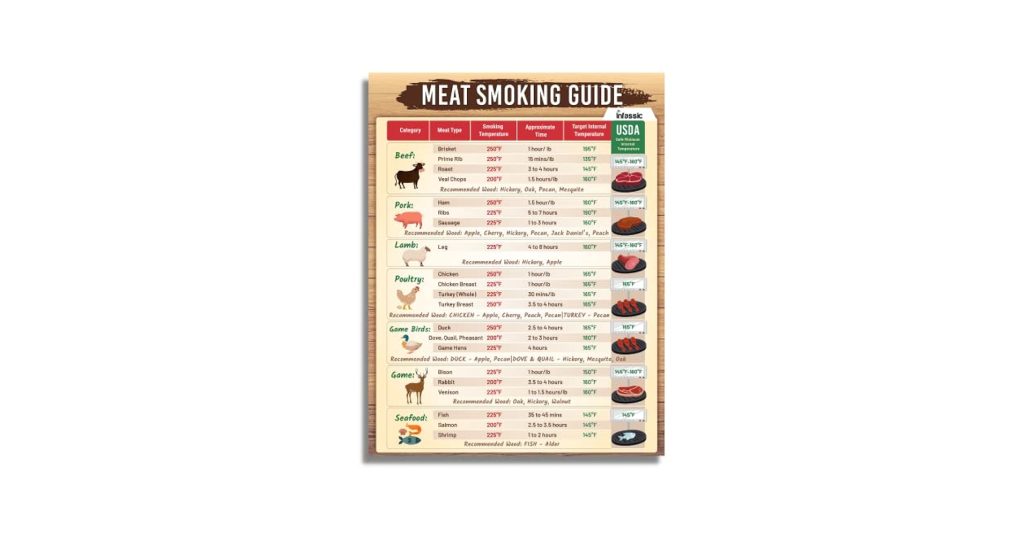
Are you ready to take your grilling skills to the next level? Knowing the right charcoal grill temperature can make all the difference between a perfectly cooked meal and one that’s just okay.
Whether you’re searing a juicy steak or slow-cooking ribs, controlling your grill’s heat is key. In this guide, you’ll discover simple tips to master your charcoal grill’s temperature every time. Keep reading, and soon you’ll impress everyone with delicious, restaurant-quality barbecue right from your backyard.
Choosing The Right Charcoal
Choosing the right charcoal is important for good grilling. It affects temperature and cooking time. Using the right type helps you cook food evenly and taste better.
Charcoal comes in different types. Each type burns differently. Knowing these types helps you pick the best one for your grill.
Types Of Charcoal
There are mainly two types of charcoal: lump charcoal and briquettes. Lump charcoal is made by burning wood in low oxygen. Briquettes are made by pressing charcoal dust and other ingredients.
- Lump charcoal lights quickly and burns hot
- Briquettes burn longer and give steady heat
- Lump charcoal has less ash
- Briquettes produce more consistent heat
Lump Vs Briquettes
Lump charcoal is natural and burns faster. It gives high heat and smoky flavor. It is good for quick cooking and searing.
Briquettes are uniform in size and shape. They burn longer and keep heat steady. They work well for slow cooking and smoking.
- Lump charcoal: fast heat, less ash, natural wood flavor
- Briquettes: steady heat, longer burn, easy to control
Quality Factors
Quality charcoal burns cleaner and lasts longer. Check charcoal for size, moisture, and impurities. Good charcoal has no dust or small pieces.
High-quality charcoal helps keep temperature steady. It also adds better flavor to your food. Avoid charcoal with chemicals or fillers.
- Large pieces burn longer and hotter
- Dry charcoal lights easier and burns clean
- No added chemicals or fillers
- Low ash content for easy cleanup
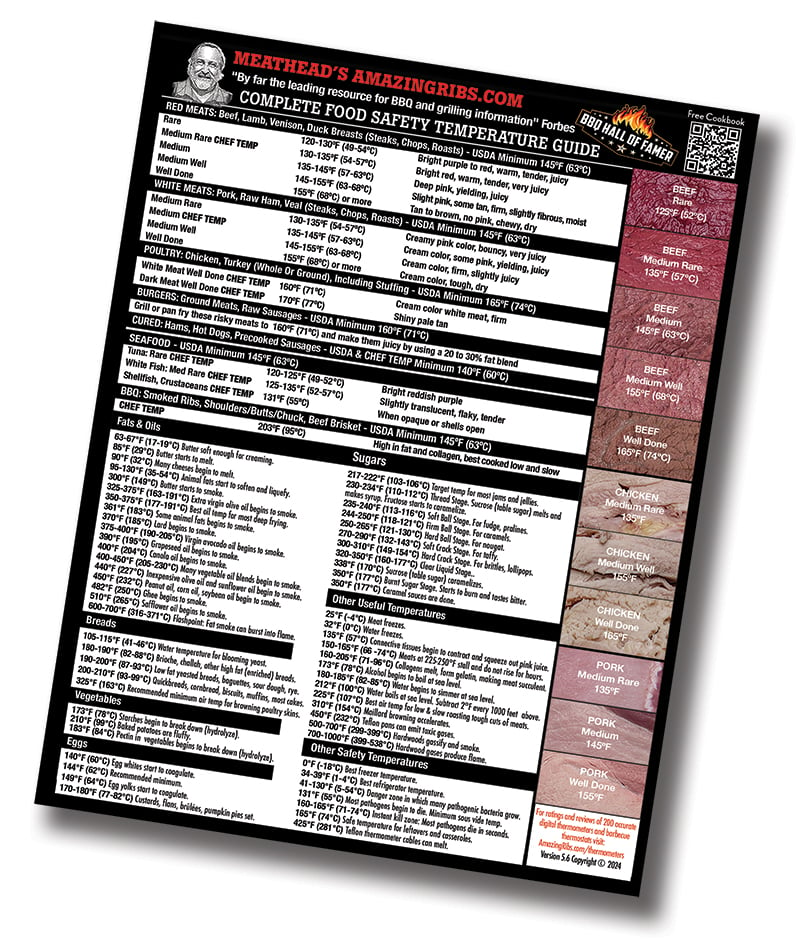
Credit: amazingribs.com
Setting Up Your Grill
Setting up your charcoal grill is important for cooking food well. You need to prepare the coals and arrange heat zones. This guide will help you get your grill ready.
Good setup lets you cook food evenly and control the temperature. Learn how to arrange coals, create heat zones, and use a chimney starter.
Arranging The Coals
Arrange the coals to control the heat. Spread them out for even heat or pile them for hotter spots. You can move coals to change cooking zones.
Use long tongs or a scoop to move the coals safely. Wait until the coals are covered with gray ash before cooking.
Direct Vs Indirect Heat Zones
Create two heat zones for different cooking needs. Direct heat is hot and good for searing meat. Indirect heat is cooler for slow cooking or baking.
- Direct heat:Coals spread under the food
- Indirect heat:Coals pushed to one side or edges
- Use the grill lid to keep heat steady
Using A Chimney Starter
A chimney starter lights coals quickly without lighter fluid. Place crumpled paper under the chimney and fill the top with charcoal.
Light the paper and wait 10-15 minutes. When coals are covered with gray ash, pour them into the grill for cooking.
Temperature Ranges For Grilling
Grilling with a charcoal grill needs careful temperature control. Different foods cook best at different heat levels.
Knowing the right temperature range helps you cook food evenly and taste great.
Low Heat (225°f – 275°f)
Low heat is best for slow cooking and smoking. It cooks food gently and keeps it juicy.
This heat range is good for big cuts of meat like ribs and brisket. It takes time but gives rich flavor.
- Ideal for slow roasting
- Prevents burning outside
- Good for tenderizing tough meat
Medium Heat (300°f – 400°f)
Medium heat is the most common temperature for grilling. It cooks food evenly and quickly.
Use medium heat for steaks, chicken breasts, and vegetables. It gives a nice sear without burning.
- Great for most grilling needs
- Produces a good crust on meat
- Allows control over cooking speed
High Heat (450°f – 600°f)
High heat is perfect for quick searing and grilling thin cuts. It locks in juices fast.
This range works well for burgers, thin steaks, and seafood. Watch closely to avoid burning.
- Creates a strong sear
- Best for fast cooking
- Use for thinner cuts of meat
Tools For Monitoring Temperature
Keeping track of the grill temperature is key for cooking food well. Charcoal grills can be tricky because heat changes fast.
Using the right tools helps you know the exact temperature inside the grill. This guide explains common tools for this job.
Built-in Grill Thermometers
Many charcoal grills come with built-in thermometers on the lid. These give a quick idea of the heat level inside.
They are easy to use but may not always show the exact temperature at the cooking surface. Still, they help control heat.
- Attached to the grill lid
- Measures air temperature inside the grill
- Good for general heat monitoring
- May be less accurate for food temperature
Instant-read Thermometers
Instant-read thermometers give a fast and accurate temperature reading. You can check food or grill heat quickly.
They have a probe you insert into the food or place near the grill surface. Readings show on a digital or dial display.
- Portable and easy to use
- Measures internal food temperature or surface heat
- Displays results in seconds
- Helps avoid undercooking or overcooking
Infrared Thermometers
Infrared thermometers measure temperature from a distance. They read the heat on the grill surface without contact.
Point the device at the grill grate or coals to get a quick temperature reading. It helps manage hot spots on the grill.
- Non-contact measurement
- Quick and easy to use
- Good for checking grill surface heat
- Does not measure internal food temperature
Adjusting Heat Levels
Controlling the heat on a charcoal grill is key to cooking food properly. You can adjust the temperature by managing airflow, coals, and moisture.
Knowing how to change these factors helps you cook different types of food at the right heat. It also keeps your grill safe and efficient.
Controlling Airflow
Airflow affects how hot the charcoal burns. More air means hotter fire, while less air cools it down. Use the grill vents to control airflow.
Opening the bottom and top vents fully lets in more oxygen. Closing them slows the fire and lowers the temperature.
- Open vents for high heat
- Partially close vents for medium heat
- Close vents mostly to lower heat
Adding Or Removing Coals
You can raise heat by adding more hot coals. Remove coals to reduce heat. This helps keep the grill at the right temperature for cooking.
Spread coals evenly for steady heat. Push coals to one side for indirect cooking. Be careful when handling hot coals.
- Add coals to increase heat quickly
- Remove some coals to cool down
- Arrange coals for direct or indirect heat zones
Using Water Pans
Water pans help control temperature and add moisture to the grill. They slow down heat and keep food juicy. Place a pan of water inside the grill.
The water absorbs heat and creates steam. This balances the temperature and adds flavor to smoked foods. Check the water level often during cooking.
- Use water pans to lower grill heat slightly
- Keep food moist with steam
- Check and refill water as needed
Grilling Times By Food Type
Grilling with charcoal requires good timing to cook food properly. Different foods need different heat levels and cooking times.
Use this guide to check grilling times for steaks, chicken, fish, vegetables, and fruits.
Steaks And Burgers
Steaks and burgers cook fast over high heat. Use medium to high charcoal heat for best results.
| Food | Temperature (°F) | Grilling Time |
| Steak (1-inch thick) | 450-500 | 4-5 minutes each side |
| Burger (1/2 inch thick) | 400-450 | 3-4 minutes each side |
| Steak (2-inch thick) | 450-500 | 6-7 minutes each side |
Chicken And Poultry
Chicken needs slower cooking to avoid burning outside while inside cooks. Use medium charcoal heat.
- Chicken breasts: 6-8 minutes per side
- Chicken thighs: 10-12 minutes total
- Whole chicken: 60-90 minutes indirect heat
- Turkey breast: 20-25 minutes per side
Fish And Seafood
Fish cooks quickly and needs gentle heat. Use medium-low charcoal temperature to prevent drying out.
- Salmon fillets: 3-4 minutes per side
- Shrimp: 2-3 minutes per side
- Whole fish: 10-12 minutes total
- Scallops: 2 minutes per side
Vegetables And Fruits
Vegetables and fruits grill well over medium heat. They need less time but watch closely to avoid burning.
| Food | Grilling Time | Notes |
|---|---|---|
| Bell peppers | 6-8 minutes | Turn often |
| Asparagus | 4-6 minutes | Use skewers |
| Pineapple slices | 2-3 minutes per side | Watch for caramelizing |
| Corn on the cob | 15-20 minutes | Wrap in foil for even cooking |
Common Temperature Mistakes
Using a charcoal grill needs good temperature control. Mistakes with heat can spoil the food or make cooking take too long.
Knowing the common mistakes helps you fix them fast. This guide shows three main temperature errors to avoid.
Too Hot Or Too Cold
Grilling at the wrong temperature often causes problems. Too hot burns the outside and leaves the inside raw. Too cold makes food dry and tough.
- High heat works well for searing thin cuts.
- Medium heat suits thicker cuts for even cooking.
- Low heat is good for slow cooking and smoking.
Uneven Heat Distribution
Charcoal may not spread heat evenly. This causes hot spots and cold spots on the grill.
| Problem | Effect | Solution |
|---|---|---|
| Charcoal piled in one area | Food cooks unevenly | Spread coals evenly |
| Grill vents closed too much | Less air, low heat | Adjust vents to control airflow |
| Fat drips on coals | Flare-ups cause burns | Use drip pan or move food away |
Ignoring Temperature Fluctuations
Charcoal grills change heat over time. Ignoring this makes cooking times wrong and food poorly cooked.
Tips to manage temperature swings:
- Check temperature often with a grill thermometer.
- Add small amounts of charcoal to keep heat steady.
- Open and close vents slowly to avoid sudden changes.
- Plan cooking time to match heat variations.

Credit: www.amazon.com
Tips For Consistent Results
Cooking on a charcoal grill takes practice. Consistent results depend on a few key habits. These tips help you get the best from your grill every time.
Knowing how to manage heat and care for your grill keeps food tasty and safe. Use these simple steps to improve your grilling skills.
Preheating The Grill
Always preheat your charcoal grill before adding food. This helps the coals reach the right temperature. It also prevents food from sticking.
- Light the charcoal and wait 15–20 minutes.
- Check for a layer of white ash on the coals.
- Spread the coals evenly for uniform heat.
- Adjust air vents to control temperature.
Resting The Meat
Rest meat after grilling to keep it juicy. Let it sit off the heat for a few minutes. This allows juices to redistribute inside the meat.
| Type of Meat | Rest Time |
| Steak | 5 minutes |
| Chicken | 10 minutes |
| Pork | 7 minutes |
| Fish | 3 minutes |
Cleaning The Grill Grates
Clean grill grates before and after cooking. This keeps flavors pure and stops food from sticking. Use a wire brush or grill scraper for best results.
Follow these tips for cleaning your grates:
- Heat the grill to burn off leftovers.
- Brush the grates while still warm.
- For tough spots, use soapy water and a sponge when cool.
- Oil the grates lightly before cooking to prevent sticking.

Credit: www.napoleon.com
Frequently Asked Questions
What Is The Ideal Temperature For Charcoal Grilling?
The ideal charcoal grill temperature ranges between 350°F and 450°F. This range suits most grilling needs, providing even cooking and perfect searing. Adjust the airflow and charcoal amount to maintain this temperature for best results.
How Do I Control Charcoal Grill Temperature?
Control temperature by adjusting the grill’s vents and charcoal placement. Opening vents increases airflow and heat, while closing them reduces it. Adding or spreading charcoal evenly helps maintain consistent heat during cooking.
What Temperature Cooks Steak Perfectly On A Charcoal Grill?
For a perfect steak, grill at high heat around 450°F to 500°F. This temperature sears the outside, locking in juices while cooking the inside to your preferred doneness.
Can I Grill Vegetables On Low Charcoal Heat?
Yes, grilling vegetables on low heat (around 250°F to 300°F) prevents burning. It allows slow cooking, preserving flavor and texture. Use indirect heat or move veggies away from direct flames.
Conclusion
Grilling with charcoal brings unique flavors to your meals. Understanding temperature control is key. It helps cook food evenly and enhances taste. Keep a close eye on the heat levels. Use a thermometer for accurate readings. Manage the vents for better airflow.
Patience is important. Allow the grill to reach the right temperature. Practice makes perfect. Experiment with different settings. Find what works best for you. Safe grilling leads to delicious results. Enjoy the process. Happy grilling!