
If you’ve ever cooked meat, you know how important a meat thermometer is for getting the perfect temperature. But what happens after you use it?
Can you wash your meat thermometer safely without ruining it? You might be wondering how to keep it clean and hygienic without damaging the delicate parts. You’ll discover the best way to clean your meat thermometer so it lasts longer and stays safe to use every time.
Keep reading to find out exactly what you should—and shouldn’t—do when washing your meat thermometer.

Credit: www.youtube.com
Why Clean Meat Thermometers Matter
Cleaning meat thermometersstops harmful germs from spreading. Germs on the probe can pass from one food to another. This might cause sickness. Wiping and washing the probe after each use keeps food safe.
A clean thermometer gives better temperature readings. Dirt or food bits can block the sensor. This makes the reading wrong. Accurate readings help cook meat just right. Not overcooked, not undercooked.
Taking care of your thermometer helps it last longer. Food acids and grease can damage the deviceover time. Cleaning removes these and keeps it working well. Regular cleaning means fewer repairs or replacements.
- Use warm, soapy water to clean the probe.
- Dry it well before storing.
- Avoid soaking electronic parts in water.

Credit: butcherbbq.com
Safe Washing Methods
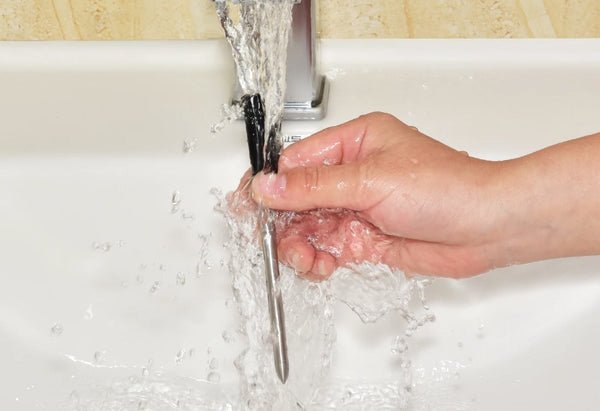
Hand washingis best for cleaning a meat thermometer. Use warm water and mild soap. Avoid soaking the whole device in water. Gently scrub the probe with a soft cloth or sponge. Rinse carefully to remove all soap. Dry the thermometer with a clean towel.
Some meat thermometers can go in the dishwasher, but check the manual first. The heat and water pressure might harm the sensor or battery. Place the thermometer on the top rack if dishwasher use is allowed. Avoid high heat settings to protect the device.
- Do not immerse the entire thermometer in water.
- Keep water away from the display and battery area.
- Wipe the handle and screen with a damp cloth only.
- Dry thoroughly to prevent water damage.
Cleaning Solutions To Use
Soap and warm water clean the meat thermometer well. Use a soft cloth or sponge. Avoid soaking the thermometer to protect its parts. Rinse it carefully and dry it with a clean towel.
Sanitizing with alcohol kills germs fast. Dip a cotton ball in rubbing alcohol. Wipe the thermometer’s probe thoroughly. Let it air dry to ensure safety before next use.
Natural cleaning alternatives include vinegar and lemon juice. Both kill bacteria and remove odors. Use a cloth dipped in vinegar or lemon juice. Wipe the probe gently and rinse with water afterward.
Cleaning Digital Vs. Analog Thermometers
Meat thermometers need proper cleaning after use to stay safe and accurate. Digital thermometers can be wiped with a damp cloth, while analog ones may require gentle washing without soaking. Avoid submerging digital parts to protect their electronics.
Special Care For Digital Models
Digital thermometershave electronic parts inside. Do not soak them in water. Wipe the metal probe with a cloth dipped in warm, soapy water. Use a cotton swab to clean tight spots. Avoid using harsh chemicals or submerging the device. Dry it well before storing. Batteries may be damaged by water, so keep the digital unit dry.
Handling Analog Thermometers
Analog thermometershave glass tubes filled with liquid. Clean the metal probe with warm, soapy water. Gently rinse under running water. Avoid dropping or shaking the glass tube. Dry carefully with a soft cloth to prevent damage. These models are simpler but need gentle handling to avoid breakage.
Drying And Storage Tips
Cleaning a meat thermometer with warm, soapy water keeps it safe and accurate. Dry it completely before storing to avoid damage. Store in a dry place to maintain its quality and longevity.
Proper Drying Techniques
After washing, dry the meat thermometer with a clean cloth or paper towel. Avoid leaving it wet as moisture can cause damage. Air drying on a clean surface is also good. Make sure no water stays in small parts like the probe tip or handle joint. Drying quickly helps keep the thermometer safe and working well.
Storing To Avoid Contamination
Store the thermometer in a clean, dry place. Use a protective case if available. Keep it away from raw meats or dirty surfaces. This stops germs from spreading. Do not mix it with other kitchen tools. Safe storage keeps your thermometer ready and safe for next use.
Signs Your Thermometer Needs Replacement
Cracks, inaccurate readings, or a broken probe signal it’s time to replace your meat thermometer. Constant washing may wear it down, affecting performance. Proper care helps, but damage means a new thermometer is safer for cooking.
Inaccurate Readings
Temperature readingsthat vary widely or seem wrong can signal a problem. This can lead to undercooked or overcooked food, which is unsafe or unpleasant. Test your thermometer in boiling water. If it does not read close to 212°F (100°C), it might need replacement.
Physical Damage
Cracks, breaks, or rust on the probe or body can harm the device. Damaged parts may stop the thermometer from working well or safely. Moisture can enter through cracks, causing internal damage.
Malfunctioning Display
A display that is dim, flickering, or blank makes reading temperatures tough. Faulty screens can cause mistakes in cooking. If the display fails to show numbers clearly, replacing the thermometer is wise.

Credit: www.youtube.com
Frequently Asked Questions
Can You Wash A Meat Thermometer With Water?
Yes, you can wash a meat thermometer with warm, soapy water. Avoid submerging digital parts. Hand wash gently to prevent damage.
Is It Safe To Clean A Meat Thermometer Under Running Water?
It is safe to clean the probe under running water. Avoid water contact with the display or battery section to prevent malfunction.
Can Meat Thermometers Be Washed In A Dishwasher?
Most meat thermometers are not dishwasher safe. The high heat and water pressure can damage the device. Always check manufacturer instructions.
How Do I Sanitize A Meat Thermometer After Use?
Sanitize by wiping the probe with a disinfectant or alcohol wipe after washing. This ensures food safety and prevents cross-contamination.
Conclusion
Washing your meat thermometer ensures it stays clean and accurate. Use warm, soapy water after each use. Dry thoroughly to prevent damage. Always avoid submerging digital thermometers. Water can harm their electronics. Remember, keeping your tools clean keeps your food safe.
This simple step helps maintain the thermometer’s lifespan. Proper care avoids future hassles. Enjoy precise readings every time you cook. Safe cooking starts with clean instruments. Stick to these tips for reliable results. Happy cooking and stay safe!