
Are you unsure whether you can use stainless steel utensils on your nonstick cookware? You’re not alone.
Many home cooks and kitchen enthusiasts find themselves pondering this question. After all, the last thing you want is to ruin your favorite nonstick pan or, worse, compromise the delicious meals you prepare. Your kitchen is your sanctuary, a place where you craft meals that bring joy and comfort.
The tools you use are crucial in maintaining this harmony. By understanding the dos and don’ts of utensil use, you can protect your cookware and elevate your cooking experience. Keep reading to discover the insights that will help you make the best choices for your kitchen, ensuring your culinary adventures remain smooth and stress-free.
Nonstick Cookware Basics
Stainless steel utensils may damage nonstick cookware’s delicate surface. Opt for wooden or silicone tools instead. Preserve the nonstick coating for long-lasting performance in your kitchen.
What Is Nonstick Coating?
Nonstick coating makes cooking easy. It’s a special layer on pans. Food doesn’t stick to it. Cleaning is simple with nonstick. Most coatings are made of PTFE or ceramic. PTFE is also known as Teflon. It is popular and long-lasting. Ceramic is another option. It’s made from sand. It’s safer for health. Both types are great for cooking.
Benefits Of Nonstick Cookware
Nonstick cookware helps cook with less oil. This means healthy meals. Food slides off easily. Cleaning is fast and simple. Nonstick pans heat quickly. This saves time and energy. They are light and easy to handle. Ideal for everyday use. Nonstick pans are perfect for eggs, pancakes, and fish. They make cooking fun and stress-free.
Stainless Steel Utensils Explained
Stainless steel is a strong metal. It does not rust easily. It shines and looks nice in the kitchen. This metal is used a lot because it lasts long. It does not bend or break easily. It is safe for cooking and very easy to clean. Stainless steel is used in many utensils. Forks, spoons, and knives are made from it.
Stainless steel is in pots and pans. It is often used for mixing bowls. Many kitchen tools are made from it. This includes spatulas and ladles. It is also used in baking trays and measuring cups. Stainless steel is a favorite for making kettles and colanders.
Compatibility Issues
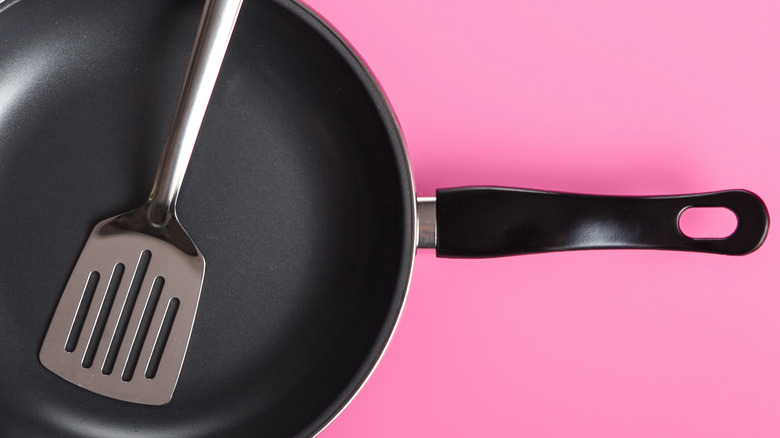
Stainless steel utensils can cause scratches on nonstick surfaces. These scratches can damage the coating. Damaged coatings may peel or flake. Food sticks more when the surface is scratched. Nonstick pans lose their effectiveness. Cooking becomes hard without a smooth surface. Stainless steel is harder than the coating. Utensils with sharp edges are even more risky. Gentle handling may help reduce damage.
Stainless steel can wear down the nonstick layer. This layer is thin and delicate. Frequent use of steel utensils is bad for this layer. The protective coat gets thinner over time. Thinning causes the pan to lose its nonstick ability. Nonstick pans should be used with care. Softer utensils are better choices. Wood and plastic are safer for nonstick cookware.
Credit: americankitchen.com
Alternatives To Stainless Steel Utensils
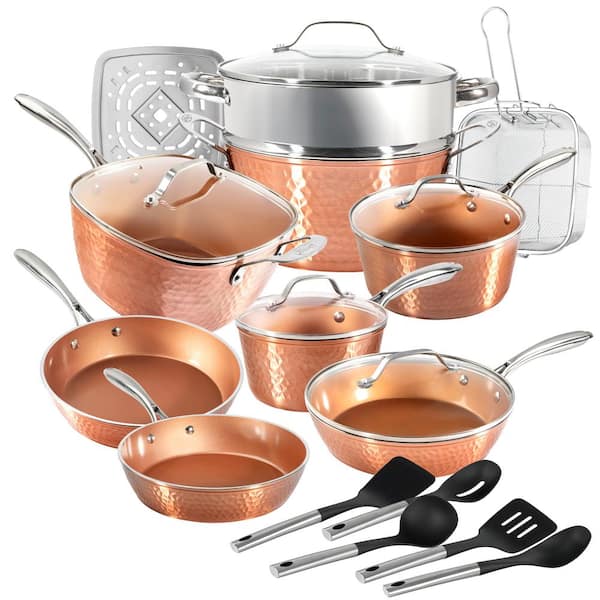
Silicone utensils are gentle on nonstick pans. They do not cause scratches. These utensils are flexible and heat-resistant. You can stir or flip food with ease. They are also easy to clean. Silicone utensils are safe for all types of cookware. They come in bright colors, too!
Wooden utensils are also safe for nonstick surfaces. They do not scratch or damage. Wooden spoons are great for stirring. They are durable and last long. They also add a natural touch to the kitchen. Remember to hand wash them to keep them in good shape.
Plastic utensils are another good choice. They are usually lightweight. These utensils are safe for nonstick cookware. They do not scratch or harm the surface. Plastic spatulas work well for flipping pancakes. Be sure they are heat-resistant. Choose high-quality plastic for better durability.
Maintaining Nonstick Cookware
Using warm water and a soft sponge is best for cleaning. Avoid scrubbing with steel wool or rough pads. These can scratch the surface. Gentle soap works well. Rinse the pan thoroughly. Dry it with a soft cloth. This prevents water spots. Never use harsh chemicals. They can damage the coating. Patience is key. Let the pan cool before washing.
Use wooden or silicone utensils. They are gentle on nonstick. Store pans carefully. Stacking can lead to scratches. Hang pans if possible. Low heat is best for cooking. Overheating can ruin the nonstick layer. Preheat slowly to protect the surface. Regular care extends life. Inspect for damage regularly. Replace if the coating peels.
Expert Opinions
Many chefs say to avoid using stainless steel utensilson nonstick pans. These utensils can scratch and damage the nonstick surface. Scratches make the pan less effective. They can also shorten the pan’s life. Chefs suggest using wooden or silicone utensils instead. These materials are gentle on nonstick surfaces. They help keep the pan in good shape.
Manufacturers often give clear advice on this topic. Most recommend avoiding metal utensilswith nonstick cookware. Some manufacturers even state this in their warranty. Using the wrong utensil can void the warranty. Following their guidelines helps maintain the cookware. It also ensures the nonstick coating lasts longer. Always check the instructions that come with your pan.
Final Thoughts On Utensil Choices
Choosing the right utensils is crucial for nonstick cookware. Stainless steel utensils can scratch the surface. Instead, opt for silicone or wooden options to preserve your pans.
Balancing Convenience And Care
Choosing the right utensils for nonstick cookware is important. Stainless steel utensils can scratch the nonstick surface. Scratches make food stick and the pan less useful. Plastic or wooden utensils are safer choices. They do not harm the nonstick layer. Cooking becomes easy and the pan lasts longer.
Making wise choices keeps your cookware in good shape. It saves money and time. Always use the best tools for your kitchen. This way, cooking stays fun and easy every day.
Credit: www.homedepot.com
Credit: www.tastingtable.com
Frequently Asked Questions
Can I Use Stainless Steel Utensils On A Non-stick Pan?
Avoid using stainless steel utensils on non-stick pans. They can scratch and damage the coating. Opt for silicone or wooden tools to maintain the pan’s surface and prolong its life. Proper care ensures better cooking results and extends the pan’s usability.
What Utensils Should Not Be Used In A Nonstick Pan?
Avoid using metal utensils on nonstick pans as they can scratch the surface. Use wooden, silicone, or plastic utensils instead.
What Utensils Are Safe For Non-stick Pans?
Use silicone, wooden, or plastic utensils for non-stick pans. Metal utensils can scratch and damage the coating. Choose tools with smooth edges to preserve the pan’s surface. These materials are gentle and ensure your non-stick pan lasts longer. Always handle with care for best results.
Does Stainless Steel Scratch Nonstick Pans?
Yes, stainless steel can scratch nonstick pans. Use silicone or wooden utensils instead. This prevents damage and prolongs the pan’s lifespan. Always handle nonstick cookware with care to maintain its coating and efficiency.
Conclusion
Stainless steel utensils are popular but can harm nonstick surfaces. Scratches may reduce nonstick effectiveness. Using utensils with soft edges protects your cookware. Silicone and wooden tools are ideal choices. They help preserve your pots and pans longer. Nonstick coatings last when treated gently.
Always check your cookware’s instructions. This ensures you use the right tools. Proper care enhances cooking results. Invest in utensils that suit your pans. This way, your kitchen stays functional and efficient. Remember, choosing wisely saves you money and frustration.
Happy cooking!