
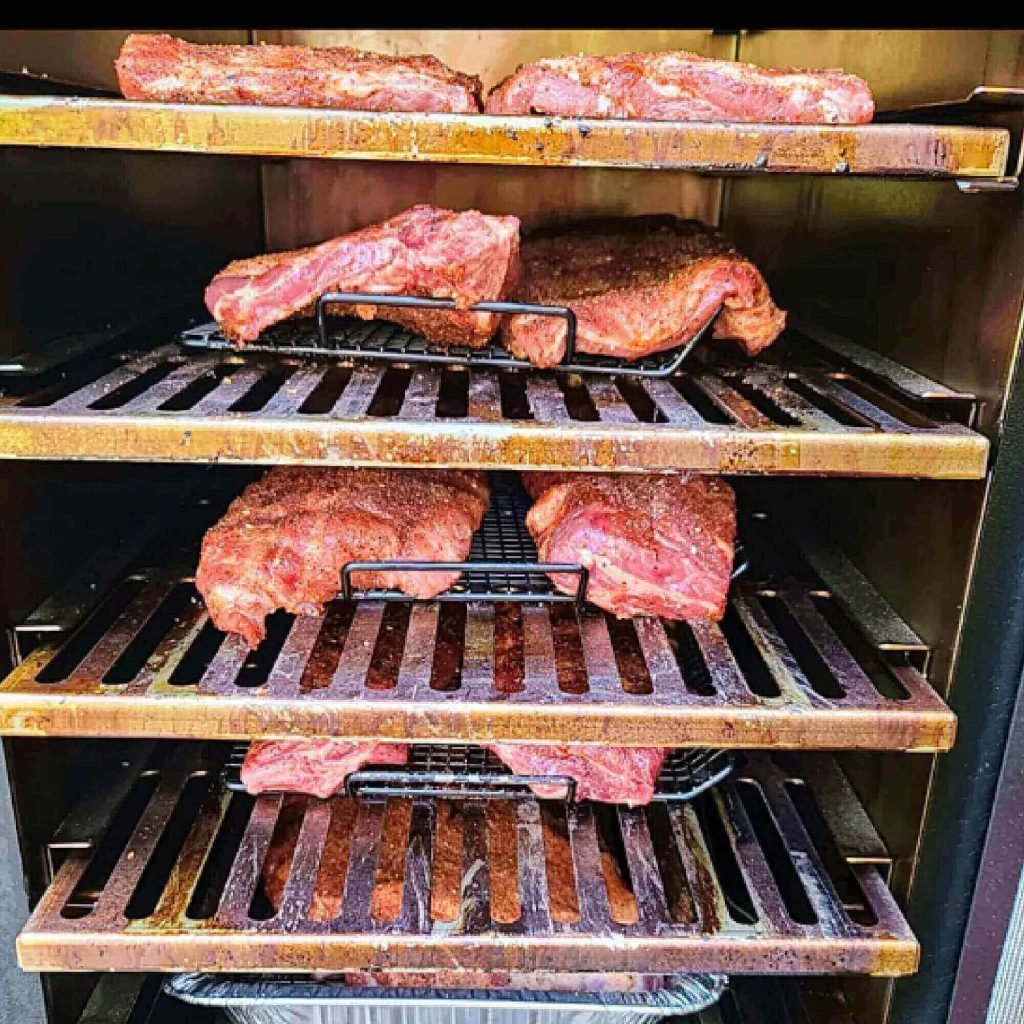
Are you wondering if you can use your pellet grill indoors safely? It’s a question many grill lovers ask, especially when the weather doesn’t cooperate.
You want to enjoy that smoky, delicious flavor without risking your health or home. You’ll discover the truth about indoor pellet grilling, what risks to watch out for, and smart tips to keep your cooking safe and tasty. Keep reading—you’ll be glad you did before firing up that grill inside!
Pellet Grills Basics
Pellet grills cook food using wood pellets as fuel. They offer a smoky flavor and easy temperature control.
Understanding how pellet grills work helps you use them safely and effectively.
How Pellet Grills Work
Pellet grills use an electric-powered system to feed wood pellets into a fire pot. A fan blows air to keep the fire burning. A thermostat controls the temperature by adjusting pellet feed and airflow.
- Wood pellets burn to create heat and smoke.
- A digital controller sets and maintains temperature.
- The fan distributes heat and smoke evenly.
- Grease drains away to avoid flare-ups.
Types Of Pellet Grills
There are several types of pellet grills. They vary by size, features, and cooking style.
| Type | Description | Best For |
| Portable Pellet Grills | Small and lightweight for easy transport. | Camping and tailgating |
| Standard Pellet Grills | Medium size with basic features. | Backyard grilling and smoking |
| High-End Pellet Grills | Large size with advanced controls and accessories. | Serious grilling enthusiasts |

Credit: www.reddit.com
Indoor Use Risks
Pellet grills are popular for outdoor cooking. People often wonder if they can use them indoors. Using a pellet grill inside can be very dangerous. It is important to know the risks before trying.
This guide explains the main dangers of using pellet grills indoors. It covers carbon monoxide risks, fire hazards, and ventilation problems.
Carbon Monoxide Dangers
Pellet grills produce carbon monoxide (CO) gas. This gas is colorless and odorless. It can build up quickly indoors. High CO levels can cause headaches, dizziness, and even death.
- Carbon monoxide blocks oxygen in the blood.
- Symptoms of poisoning include nausea and confusion.
- Proper detectors are needed to sense CO indoors.
- Grills should never run in closed spaces.
Fire Hazards
Pellet grills use fire to cook food. Using them indoors increases fire risk. Sparks and hot surfaces can ignite nearby items. Flammable materials around the grill raise danger.
| Fire Risk Factor | Why It Matters |
|---|---|
| Flammable materials | Can catch fire from grill heat or sparks |
| Poor grill placement | Close to walls or furniture increases risk |
| Lack of fire extinguisher | Delays response to unexpected fire |
| Unattended grill | Fire can start without notice |
Ventilation Challenges
Good ventilation is key when using a pellet grill. Indoors, air flow is often limited. Smoke and gases cannot escape easily. This causes a buildup of harmful fumes.
- Indoor spaces often lack vents for smoke.
- Smoke alarms may trigger often indoors.
- Opening windows might not be enough.
- Proper exhaust systems are needed for safety.
Safety Tips For Indoor Use
Using a pellet grill indoors can be risky if you do not follow safety rules. Pellet grills produce smoke and gases that must be handled carefully. Knowing how to keep your space safe is very important.
This guide covers key safety tips to protect you and your home when using a pellet grill inside. Follow these steps to reduce dangers and enjoy your cooking safely.
Proper Ventilation Methods
Good airflow helps remove smoke and harmful gases from your indoor space. Always use your pellet grill near open windows or doors. This allows fresh air to come in and smoke to go out.
Consider using exhaust fans or vents to push smoke outside. Avoid using your pellet grill in small, closed rooms. Proper ventilation lowers the risk of breathing problems and fire hazards.
- Place the grill near open windows or doors
- Use exhaust fans or vents to remove smoke
- Keep indoor rooms large and open
- Do not block air flow around the grill
Smoke And Gas Detectors
Smoke and gas detectors warn you if smoke or dangerous gases build up indoors. Make sure you have working detectors in the room where you use the grill. Test them regularly to confirm they work.
Install carbon monoxide detectors as pellet grills can produce this odorless gas. Detectors give you time to act before smoke or gas causes harm. Replace batteries often and check for any faults.
- Install smoke detectors near the grill
- Add carbon monoxide detectors for safety
- Test detectors once a month
- Replace batteries at least twice a year
Fire Extinguisher Readiness
Always have a fire extinguisher close by when using a pellet grill indoors. Fires can start quickly if grease or smoke catches on fire. Knowing how to use an extinguisher can stop a fire fast.
Choose a fire extinguisher rated for grease and electrical fires. Keep it within easy reach and teach all household members how to use it safely. Regularly check the extinguisher’s pressure and condition.
- Keep a fire extinguisher nearby
- Use one rated for grease and electrical fires
- Store it in an easy-to-reach spot
- Teach everyone how to use it
- Check pressure and condition monthly
Expert Advice On Indoor Grilling
Grilling indoors can be tricky and needs careful thought. Pellet grills are popular for outdoor cooking. Many wonder if they can safely use them inside their homes.
This guide shares expert advice to help you decide if indoor grilling with a pellet grill is right for you. It covers key safety rules and offers other cooking options for indoors.
Manufacturer Guidelines
Manufacturers usually say pellet grills are for outdoor use only. These grills produce smoke and need good air flow. Using them indoors can cause fire risks and harmful fumes.
- Always read the user manual before use.
- Use the grill outside with plenty of ventilation.
- Never operate the grill near flammable items.
- Keep a fire extinguisher nearby when grilling.
- Do not use pellet grills in enclosed spaces.
Alternative Indoor Cooking Options
If you want to grill indoors, consider safer cooking tools. Electric grills and stovetop grill pans are good choices. They produce less smoke and are designed for indoor use.
| Cooking Device | Smoke Level | Safety for Indoors | Ease of Use |
| Electric Grill | Low | Safe | Easy |
| Stovetop Grill Pan | Medium | Safe | Moderate |
| Pellet Grill | High | Not Safe | Outdoor Only |
Legal And Insurance Considerations
Using a pellet grill indoors can raise legal and insurance questions. You must check rules and policies before using it inside your home.
Ignoring these considerations can cause fines or void your insurance coverage. Always learn about local laws and insurance terms.
Local Regulations
Many places have rules about using grills indoors. These rules protect people from fire and gas dangers.
Some areas ban pellet grills inside homes. Others require special ventilation or safety devices.
- Check city or county laws on indoor grilling
- Follow fire codes and safety standards
- Obtain permits if needed
- Use grills only in approved areas
Impact On Home Insurance
Using a pellet grill indoors can affect your home insurance. It may increase fire risks and change your coverage.
If you use the grill inside without notifying your insurer, claims may be denied after damage or fire.
- Tell your insurance company if you use grills indoors
- Review your policy for fire and smoke damage coverage
- Keep grills away from flammable materials
- Consider adding extra safety equipment

Credit: www.tasteofhome.com
Credit: www.homedepot.com
Frequently Asked Questions
Can You Safely Use A Pellet Grill Indoors?
No, pellet grills produce smoke and carbon monoxide. Using them indoors risks fire and harmful gas buildup. Always operate pellet grills outdoors in well-ventilated areas for safety and proper smoke ventilation.
Why Is Indoor Pellet Grilling Dangerous?
Indoor use limits ventilation, causing smoke and toxic gases to accumulate. This can lead to carbon monoxide poisoning and fire hazards. Pellet grills are designed for outdoor use only to ensure safe cooking.
What Are The Alternatives To Indoor Pellet Grilling?
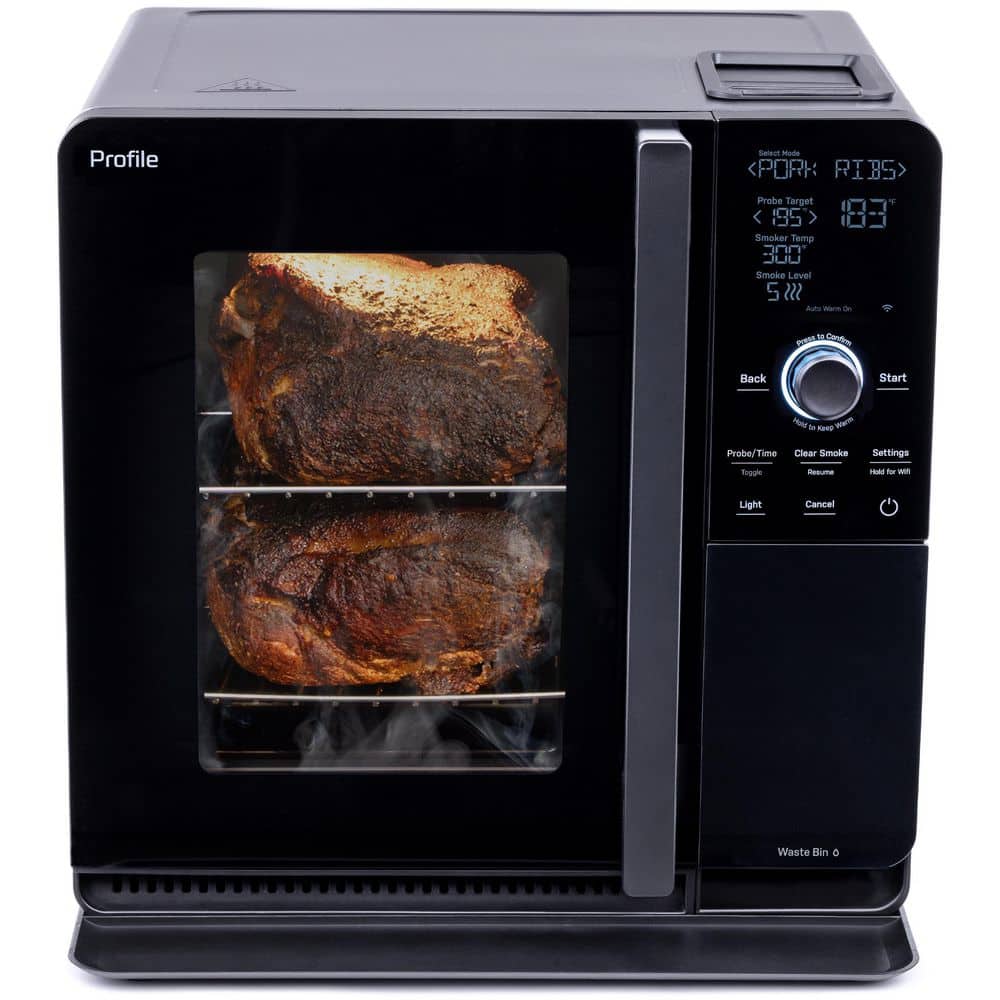
For indoor cooking, use electric grills, stovetop smokers, or oven smokers. These options are designed for indoor use and avoid smoke and gas risks. They provide a safer way to enjoy grilled flavors inside your home.
How To Use A Pellet Grill Safely Outdoors?
Place the grill on a flat, non-flammable surface away from structures. Keep it well-ventilated and never leave it unattended while in use. Follow manufacturer guidelines for fuel and cleaning to ensure safe operation.
Conclusion
Pellet grills indoors pose risks. Smoke and carbon monoxide can accumulate. Ventilation is crucial. Outdoors is safer for grilling. Indoor cooking options exist, like electric grills. They offer similar flavors without the dangers. Always prioritize safety. Read appliance manuals carefully.
Ensure your home stays smoke-free. Enjoy grilling with peace of mind. Experiment with different flavors outdoors. Your taste buds will thank you. Stay informed and make smart choices. Grilling should be fun and safe. Keep exploring and cooking delicious meals.