
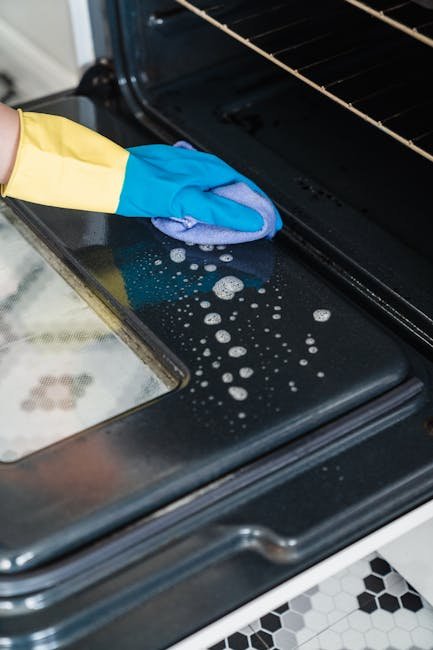
Have you ever looked at your kitchen countertops and thought, “I wish there was an easier way to clean these stubborn stains”? You’re not alone.
Many people have wondered if a powerful oven cleaner could be the secret weapon against tough grime. Before you spray, it’s crucial to know if this is a safe and effective method. Imagine gleaming countertops without hours of scrubbing. But what if the wrong cleaner could cause damage?
You might be risking more than you think. You’ll discover the truth about using oven cleaner on countertops. Stay with us to uncover tips that could save your surfaces—and your sanity.
Oven Cleaner Ingredients
Oven cleaners often contain strong chemicals. These include sodium hydroxide, which is a powerful cleaner. Another common chemical is butane, used as a propellant. Some cleaners have ethanolamine. It helps remove grease and grime. These chemicals are effective but can be harsh.
These chemicals can be dangerous. They may cause skin burns. Fumes might irritate eyes and nose. Ingesting them is harmful. Always wear gloves when using these cleaners. Keep them away from children. Use in a well-ventilated area. Proper precautions are crucial.
Types Of Countertop Materials
Granite countertops resist harsh chemicals like oven cleaner, but they may dull the surface. Marble and laminate countertops are sensitive and prone to damage from strong cleaners. Stainless steel can handle oven cleaner, while quartz should avoid it to prevent discoloration.
Always test a small area first.
Granite
Granite is a popular choice for countertops. It is known for its durability. Granite can resist heat and scratches well. But, it needs proper sealing. Without sealing, stains can form on its surface. Regular cleaning keeps it shiny and beautiful.Quartz
Quartz countertops are engineered stones. They are made to be strong and non-porous. Quartz is easy to clean. It does not need sealing like granite. But, it can be damaged by high heat. Always use a trivet under hot pots.Laminate
Laminate countertops are budget-friendly. They come in various colors and patterns. Laminate is lightweight and easy to install. But, it is not heat-resistant. Hot items can cause damage. It can also scratch easily.Marble
Marble is a beautiful stone. It is often used in luxury kitchens. Marble can be easily stained. It needs regular sealing. Acidic substances can cause damage. Always clean spills quickly to protect it. `Effects On Different Surfaces
Using oven cleaner on countertops can lead to damage. It might cause discoloration or wear on surfaces like laminate or granite. Always check the countertop material before using harsh chemicals.
Damage To Natural Stone
Oven cleanercan cause harm to natural stone. It has harsh chemicals that eat away the stone’s surface. This can lead to dull spots and stains. The stone loses its shine and beauty. Marble and granite are often affected. Once damaged, it’s hard to fix. Always use a gentle cleaner for stones.
Impact On Synthetic Materials
Synthetic countertops react differently to oven cleaners. Some materials might resist the cleaner. Others can melt or warp under strong chemicals. Plastic laminatesare very sensitive. The chemicals can cause discoloration. These surfaces can change color or get damaged. Use mild soap and water instead for cleaning.
Safety Precautions
Using oven cleaner on countertops can damage surfaces and release harmful fumes. Always read labels for safety advice. Ensure proper ventilation and wear protective gloves to prevent skin irritation.
Protective Gear
Always wear gloves when using oven cleaner. Gloves keep your hands safe. Eye protection is important too. Wear goggles to protect your eyes. Oven cleaner can splash. It can hurt your eyes. Wear old clothes. Oven cleaner can stain clothes. Make sure to cover your arms and legs. This keeps your skin safe from splashes.
Ventilation Requirements
Open windows for fresh air. Oven cleaner has strong smells. It can make you feel dizzy. Use a fan to move the air. This helps clear the smell faster. Do not use oven cleaner in small spaces. Stay in a big, open area. This keeps you safe from strong fumes.
Alternative Cleaning Methods
Using oven cleaner on countertops can damage surfaces. It’s designed for tough oven grime, not delicate countertops. Always check your countertop material before trying harsh chemicals.
Natural Cleaners
Natural cleaners are safe for countertops. Lemon juice cleans stains well. It also leaves a fresh smell. Baking soda can scrub away tough spots. Mix it with water for a paste. Vinegar is another great cleaner. It can cut through grease and dirt easily. These cleaners are gentle and effective. They won’t harm your countertops.
Homemade Solutions
Make homemade cleaners with simple items. Combine vinegar and water in a spray bottle. This mixture cleans surfaces nicely. Add some essential oils for a pleasant scent. Another solution is baking soda and water paste. Use it to scrub away grime. These solutions are easy to make. They are also cost-effective and safe.
Emergency Measures
Using oven cleaner on countertops can be risky. It may damage surfaces, especially if they are porous or delicate. Always test a small area first and consider safer alternatives for cleaning.
Dealing With Spills
Spills can happen any time. Act quickly to avoid damage. Use a soft cloth to gently wipe up the spill. Avoid rubbing hard; it may scratch the surface. Clean with warm water and mild soap. This helps remove residue without harm. Dry the countertop with a clean towel. Keeping surfaces dry prevents stains.
When To Call A Professional
Sometimes, spills cause tough stains. Professionals can handle these situations well. If stains persist, seek expert help. They have special tools to clean safely. Professionals know how to treat different countertop materials. Calling them ensures proper care and safety.
Long-term Maintenance Tips
Using oven cleaner on countertops can be risky. Most countertop materials may react negatively to harsh chemicals, leading to discoloration or damage. Opt for mild cleaners that preserve the surface and ensure long-term durability.
Regular Cleaning Routine
Keep countertops clean for long-lasting surfaces. Use a gentle cleaner daily. Avoid harsh chemicals to prevent damage. Wipe spills immediately to stop stains. Always use soft cloths for cleaning. Check labels on cleaners for safety. Regular cleaning prevents buildup and grime.
Sealing And Protecting Surfaces
Seal countertops for better protection. Sealing stops stains and prevents scratches. Use sealant every year for strong surfaces. Read instructions on sealants carefully. Protect counters with mats and cutting boards. Avoid placing hot pans directly on surfaces. Sealant helps keep counters shiny and new.
Frequently Asked Questions
What Happens When You Use Oven Cleaner On Kitchen Countertops?
Using oven cleaner on kitchen countertops can damage the surface. It may cause discoloration, staining, or etching. Always use appropriate cleaning products designed for countertops to avoid harm and maintain their appearance. Consult the manufacturer’s guidelines for cleaning recommendations and ensure the longevity of your countertop materials.
What Is The Best Thing To Clean Countertops With?
Use a mixture of warm water and mild dish soap for cleaning countertops. Apply with a soft cloth. Avoid harsh chemicals to prevent surface damage. For stubborn stains, use a baking soda paste. Regularly wipe to maintain cleanliness and shine.
What Surface Should You Not Use Oven Cleaner On?
Avoid using oven cleaner on aluminum, painted surfaces, or self-cleaning ovens. It can cause damage or discoloration. Always check the manufacturer’s instructions before applying to any surface.
Can I Use Easy Off On Granite Countertops?
Avoid using Easy Off on granite countertops. It contains harsh chemicals that can damage the surface. Use a granite-specific cleaner instead. Always test new cleaners on a small area. Regularly clean with a soft cloth and mild soap for best results.
Conclusion
Choosing the right cleaner for countertops is crucial. Oven cleaners can be harsh. They might damage your countertop surface. Always check the cleaner’s label for instructions. Test a small area first. This helps avoid unwanted surprises. Safer options include mild soap and water.
Vinegar and baking soda also work well. These options protect your countertop’s finish. They also keep it looking new. Consult your countertop manufacturer for recommendations. This ensures you use the best cleaning method. Proper care extends the life of your countertops.
Keep them beautiful and safe with the right cleaning choice.