
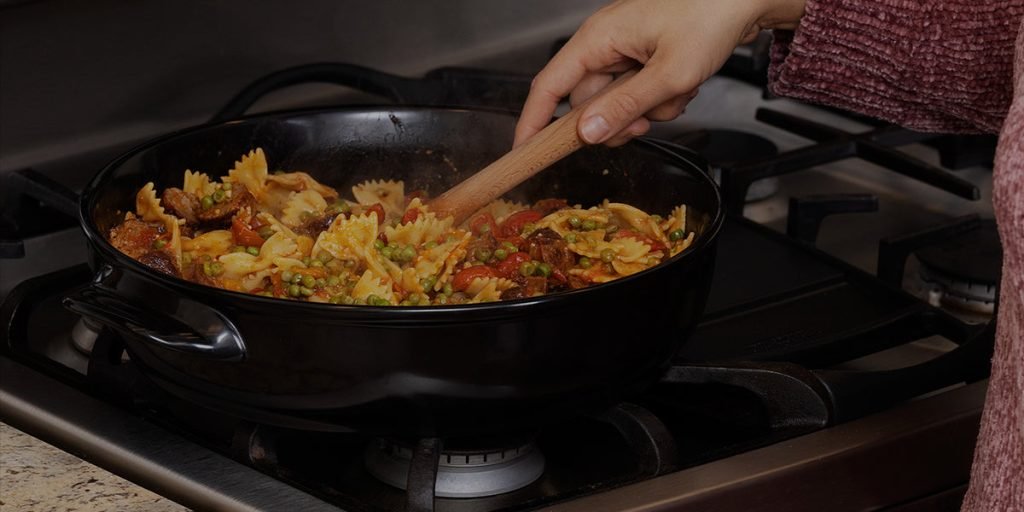
Are you wondering if using metal utensils on your ceramic cookware is a safe choice? You’re not alone.
Many home cooks are cautious about maintaining their beloved pots and pans, yet the convenience of metal utensils can be tempting. Choosing the wrong utensils could leave your cookware scratched or damaged, impacting both its appearance and performance. You want to ensure your kitchen tools last as long as possible, right?
This article will unravel the mystery surrounding ceramic cookware and metal utensils, helping you make informed decisions for your kitchen. Dive in to discover whether metal and ceramic can truly coexist or if it’s time to rethink your utensil drawer.
Ceramic Cookware Basics
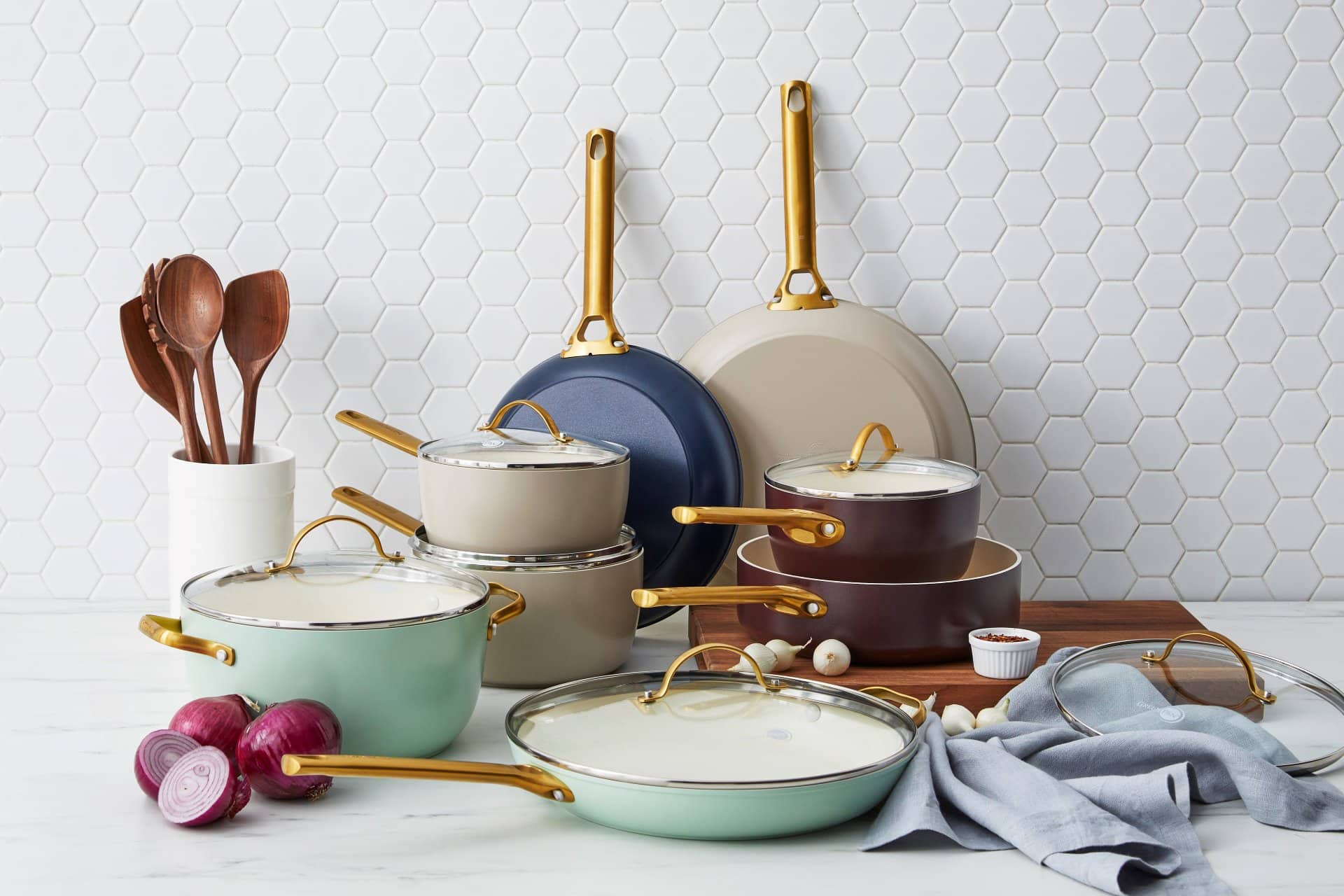
Ceramic cookware is made from clay. It is baked in a kiln. This process creates a hard surface. A glaze is often added. This makes the cookware smooth and shiny. Ceramic is known for being non-stick. It does not have harmful chemicals. This makes it a safe choice for cooking. You can find ceramic cookware in many colors. It adds beauty to the kitchen.
Ceramic cookware is used for baking. It can handle high heat. Many people use it for frying. The non-stick surface is helpful. It is also good for sauteing. Food slides off easily. This cookware is often used for stewing. It keeps food warm. Ceramic cookware is also popular for serving. It looks nice on the table.
Metal Utensils And Their Impact
Metal utensils can scratch ceramic cookware. These scratches may damage the surface. Deep scratches can lead to more cracks. Ceramic cookware with cracks can break easily. This breakage can ruin your cooking experience. Using soft utensils can protect your cookware. Wooden or silicone utensils are safer. They do not cause scratches. Preserve your cookware by avoiding metal.
Many think metal utensils are safe for ceramic. This is not true. Metal utensils can harm ceramic surfaces. Some believe scratches are harmless. Scratches can lead to bigger problems. Scratches weaken the cookware. Weak cookware breaks faster. Avoid using metal on ceramic to keep it strong. Choose safe utensils for your cookware.
Expert Opinions
Ceramic cookware experts advise caution when using metal utensils. Scratches can damage the non-stick surface, affecting performance. Opt for silicone or wooden tools to maintain longevity and avoid potential harm to your cookware.
Insights From Chefs
Many chefs prefer ceramic cookware for its even heat distribution. They often avoid metal utensils. Metal can scratch the surface. Scratches can affect cooking. It’s safer to use wood or silicone. These materials protect the ceramic. Chefs agree that gentle care keeps cookware lasting. Taste and texture are better with undamaged ceramic.
Advice From Manufacturers
Manufacturers recommend caution with metal. Guides suggest using plastic or wooden tools. Metal can damage non-stick layers. Damage leads to uneven cooking. Warranty terms might not cover metal damage. Careful use ensures long-lasting cookware. Following advice protects investment. User manuals often highlight safe practices.
Credit: learn.surlatable.com
Alternatives To Metal Utensils
Metal utensils can damage ceramic cookware. Consider alternatives like wooden, silicone, or nylon utensils. These are gentle on ceramic surfaces and prevent scratches, ensuring longevity and safety in your kitchen.
Wooden Utensils
Wooden utensils are gentle on ceramic surfaces. They avoid scratches. These utensils are durable. They last a long time. They do not conduct heat. They stay cool in hot pans. Cleaning is easy. Use soap and water. Dry them well. Avoid soaking them for long. Wooden spoons are strong. They don’t bend easily. Perfect for stirring thick sauces. Wooden spatulas are wide. Good for flipping pancakes.
Silicone Options
Silicone utensils are soft and flexible. They protect ceramic cookware. They come in bright colors. Easy to spot in drawers. Silicone does not react with food. Safe for all dishes. These utensils resist high heat. They won’t melt in hot pans. Cleaning is simple. Use soap and water. They are dishwasher safe. Silicone spatulas are bendy. Great for scraping bowls. Silicone tongs grip food well. Perfect for serving salads.
Maintaining Ceramic Cookware
Always let ceramic cookware cool before washing. Hot cookware can crack in cold water. Use mild soap and a soft sponge. Harsh scrubbers can damage the surface. Rinse thoroughly to remove soap. Dry with a soft cloth to prevent spots. Avoid soaking for long periods to keep the finish intact. Regular cleaning keeps the cookware looking new.
Store ceramic cookware carefully to avoid chips. Stack gently to prevent scratches. Place a soft cloth between items. Use cabinet space wisely. Keep heavy pots away from delicate pieces. Hanging racks are great for storing. Display cookware if space allows. This keeps it safe and easy to find.

Credit: www.t-fal.com
Choosing The Right Utensils
Ceramic cookware looks shiny and smooth. Metal utensils can scratch this surface. Scratches make the cookware less pretty. They can also make the pan wear out faster. Plastic or silicone utensils are often better. They are soft and gentle on ceramic. They help keep the cookware looking new.
Ceramic is strong, but not the strongest. Metal utensils can be tough on it. Scratches may become big over time. This can affect cooking. Soft utensils help with this. They keep the surface smooth. They also help the pan last longer. This way, your ceramic cookware stays nice for years.
Long-term Care Tips
Choose utensils made of wood or silicone. Metal can scratch the surface. Scratches can weaken the cookware. Use softer materials instead. Clean with a soft sponge. Avoid rough pads. Be gentle when washing. Dry with a soft towel.
Proper care makes ceramic last longer. Avoid stacking pots and pans. Use a pan protector or cloth between items. Store carefully to prevent chips. Keep away from high heat. Low to medium heat is best. High heat can damage the coating. Follow these steps for long-lasting cookware.

Credit: www.t-fal.com
Frequently Asked Questions
What Utensils Should Be Used On Ceramic Pots?
Use silicone, wood, or nylon utensils on ceramic pots. They prevent scratches and protect the non-stick surface. Avoid metal utensils as they can damage the ceramic coating. Choose utensils designed for non-stick cookware to prolong the life of your ceramic pots.
What Not To Use On Ceramic Pans?
Avoid using metal utensils on ceramic pans to prevent scratches. Do not use abrasive cleaning pads or harsh chemicals. High heat can damage ceramic coating, so cook on medium or low heat. Avoid cooking sprays, as they can leave residue.
Use wooden or silicone utensils for longevity.
Will Metal Scratch Ceramic Pans?
Metal utensils can scratch ceramic pans. Use wooden or silicone tools to protect the surface. Maintain the pan’s non-stick quality by avoiding metal contact.
What Cookware Can I Use Metal Utensils With?
Use metal utensils with stainless steel, cast iron, and carbon steel cookware. Avoid using them on non-stick or ceramic surfaces to prevent damage. Always check the manufacturer’s guidelines for specific recommendations.
Conclusion
Ceramic cookware needs gentle handling. Metal utensils may cause scratches. This affects the cookware’s life. Use silicone or wooden utensils instead. They are safer. Protect your investment. Keep your ceramic cookware looking new. Choose the right tools. Enjoy a better cooking experience.
Maintain your cookware’s non-stick surface. Easy to clean. Simple steps save time and money. Happy cooking with the right utensils!