
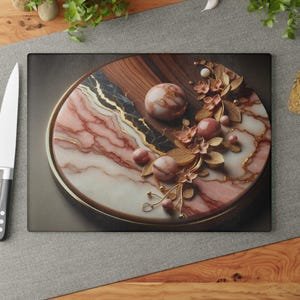
Are you wondering if glass cutting boards are safe and practical for cutting meat? You’re not alone.
Choosing the right cutting board can affect your kitchen’s hygiene and how your knives perform. Glass boards look sleek and are easy to clean, but are they the best choice when handling raw meat? Keep reading to discover what experts say about using glass cutting boards for meat, and find out how to keep your kitchen safe and your food tasty.

Credit: www.amazon.com
Glass Cutting Boards And Meat Safety
Glass cutting boards are non-porous. This means they do not absorb liquids or bacteria easily. They are easy to clean and sanitize, which is important for meat safety. Their smooth surface does not get deep knife grooves where germs can hide.
Glass boards can be hard on knives. They may dull blades faster than wood or plastic boards. This can make cutting meat less safe if knives become dull. Sharp knives cut better and reduce the risk of slipping.
| Cutting Board Type | Porosity | Knife Friendliness | Cleaning Ease |
|---|---|---|---|
| Glass | Non-porous | Harsh on knives | Very easy |
| Wood | Porous | Gentle on knives | Moderate |
| Plastic | Moderately porous | Gentle on knives | Easy |
Common Myths About Glass Cutting Boards
Many believe glass cutting boards hold more bacteriathan plastic ones. Glass is non-porous, so it doesn’t absorb juices or germs. This makes cleaning easier and helps stop cross-contamination. Regular washing with hot water and soap kills bacteria effectively.
Some worry about using knives on glass boards. Glass is harderthan wood or plastic, which can dull knives faster. But glass boards do not cause knife damagethat leads to broken blades or accidents. The surface is smooth, so knives slide easily, making cutting safe.
Cleaning And Maintenance Tips
Sanitizingglass cutting boards is key to keeping meat safe. Use hot, soapy water immediately after use. Rinse well to remove all soap. Wipe with a cloth dipped in a mild bleach solution to kill germs. Let the board air dry completely before next use.
- Use separate boards for meat and other foods to avoid cross-contamination.
- Clean boards thoroughly after each use to stop bacteria spread.
- Store boards in a dry place to prevent bacteria growth.
- Check the board surface often for scratches where germs can hide.
Pros And Cons Of Using Glass Boards For Meat
Glass cutting boards are very durable. They resist scratches and cracks well. Their non-porous surfacestops bacteria from hiding inside. This makes glass boards easy to cleanand more hygienicthan wood or plastic. You can wash them in the dishwasher safely. They do not absorb meat juices or odors, which helps keep your kitchen clean.
But there are some drawbacks. Glass boards can be slippery, causing knives to slip and increase the risk of injury. They can also dull your knives faster because the surface is very hard. Glass boards may break or chipif dropped, which can be dangerous and costly. Some people find glass boards to be noisy when cutting meat.
Expert Opinions And Research Findings
Glass cutting boards are easy to clean. They do not absorb juices from meat. This lowers the risk of cross-contamination. Experts say plastic boards can get deep cuts, which hold bacteria. Glass boards stay smooth and do not trap germs.
Food safety guidelines recommend cleaning cutting boards with hot, soapy water. Sanitizing with bleach or vinegar is good too. Using separate boards for meat and vegetables is important. This stops harmful bacteria from spreading.
| Study | Findings |
|---|---|
| University of Nebraska | Glass boards show less bacterial growth than plastic after cleaning. |
| Journal of Food Safety | Plastic boards can harbor bacteria in cuts. Glass boards are easier to sanitize. |
| Food Science Review | Using separate boards reduces cross-contamination risks the most. |

Credit: titancutboard.com
Alternatives To Glass Cutting Boards
Wood and plasticboards are safer for cutting meat than glass. Glass boards can dull knives quickly and may slip on wet surfaces. Wood boards are gentle on knives and have natural antibacterial properties. Plastic boards are easy to clean and dishwasher safe, making them good for raw meat. Both materials reduce the risk of cross-contamination.
| Material | Pros | Cons |
|---|---|---|
| Wood | Knife-friendly, natural antibacterial, durable | Needs regular oiling, not dishwasher safe |
| Plastic | Easy to clean, dishwasher safe, affordable | Can get knife scars, may stain |
| Glass | Non-porous, easy to clean | Dulls knives, slippery surface, fragile |
Choose a cutting board that fits your kitchen needs. Think about cleaning ease, knife safety, and durability. Use separate boards for meat and vegetables to keep food safe.
Credit: www.etsy.com
Frequently Asked Questions
Can Glass Cutting Boards Be Used Safely For Meat?
Glass cutting boards are safe for meat but not ideal. They are non-porous and easy to clean, preventing bacteria buildup. However, they can dull knives quickly and may cause meat juices to slip, increasing cross-contamination risk.
Do Glass Cutting Boards Harbor Bacteria From Meat?
Glass boards do not harbor bacteria easily due to their smooth, non-porous surface. They clean thoroughly and resist stains. Still, proper sanitizing after cutting meat is essential to prevent bacterial contamination.
How Does Glass Affect Knife Sharpness With Meat Cutting?
Glass cutting boards dull knives faster than wood or plastic. Their hard, unforgiving surface damages blade edges quickly, requiring frequent sharpening when cutting meat or other foods.
Are Glass Cutting Boards Hygienic For Raw Meat?
Glass boards are hygienic because they don’t absorb juices or odors. They can be sanitized well, reducing bacteria risk from raw meat. Still, cutting meat on plastic may be safer for knife care.
Conclusion
Glass cutting boards can work for meat, but consider pros and cons. They are easy to clean and look nice. But they can dull knives quickly. They also might be slippery and noisy. Wooden or plastic boards are gentler on knives.
They also offer more grip. Think about safety and your needs. Choose what fits your kitchen best. Always prioritize hygiene. Cut different foods on separate boards. This helps avoid contamination. Make an informed choice for your cooking. Keep your tools and food safe.