
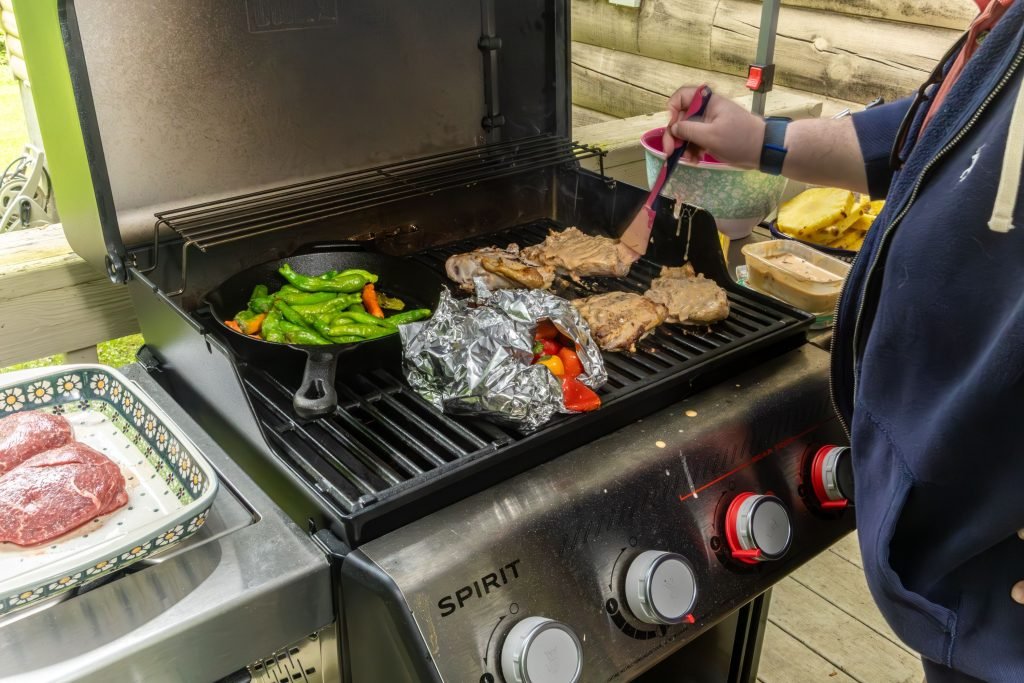
Are you thinking about using your gas grill indoors? It might seem like a convenient idea, especially when the weather is bad or you want to cook inside.
But before you fire it up, there are important safety and health risks you need to know about. Using a gas grill indoors can be dangerous if you don’t take the right precautions. You’ll discover whether it’s safe to use your gas grill inside and what you must consider to protect yourself and your home.
Keep reading to find out the truth and avoid costly mistakes.
Risks Of Using Gas Grills Indoors
Using a gas grill inside your home can be dangerous. Gas grills are made for outdoor use only. Bringing them indoors increases many safety risks.
Understanding these risks helps keep you and your family safe. The main dangers include carbon monoxide, fire, and poor ventilation.
Carbon Monoxide Poisoning
Gas grills produce carbon monoxide, a colorless and odorless gas. It can build up quickly indoors and cause serious health problems.
Symptoms of carbon monoxide poisoning include headache, dizziness, and nausea. In severe cases, it can cause loss of consciousness or death.
Fire Hazards
Gas grills use an open flame that can easily start a fire inside your home. Flammable materials near the grill increase the risk.
- Clothing or curtains catching fire
- Grease buildup causing flare-ups
- Gas leaks leading to explosions
- Improper grill placement near walls
Ventilation Challenges
Indoor spaces often lack proper airflow for gas grills. Poor ventilation traps harmful gases and smoke.
| Ventilation Issue | Risk Level |
| Closed windows and doors | High |
| Small kitchens | High |
| Insufficient exhaust fans | Medium |
| Open rooms with fans | Lower |

Credit: www.napoleon.com
Legal And Manufacturer Guidelines
Using a gas grill indoors can be dangerous. It may cause fires, carbon monoxide buildup, or other hazards.
It is important to check both local laws and manufacturer instructions before using a gas grill inside.
Local Regulations On Indoor Use
Many areas have strict rules about using gas grills indoors. These rules protect people from fire and gas risks.
- Some cities ban gas grills inside any building.
- Fire departments may require special ventilation systems.
- Insurance policies might not cover damage from indoor grill use.
- Violating local codes can lead to fines or penalties.
Manufacturer Warnings And Recommendations
Manufacturers design gas grills for outdoor use only. They often warn against indoor use for safety reasons.
| Manufacturer | Indoor Use Warning | Recommended Use |
|---|---|---|
| Brand A | Do not use indoors due to carbon monoxide risk. | Outdoor use only |
| Brand B | Indoor use voids warranty and may cause fire. | Use in open, ventilated spaces |
| Brand C | Not for indoor cooking or enclosed areas. | Patios and backyards recommended |
Always read the manual before using your gas grill. Follow all safety instructions to avoid accidents.
Safe Alternatives To Indoor Gas Grilling
Using a gas grill indoors can be dangerous. It can cause fire and gas leaks. It is better to choose safer ways to grill inside your home.
Many options let you enjoy grilled food without risks. These include electric grills, indoor smokeless grills, and oven broiling. Each method has benefits and safety features.
Electric Grills
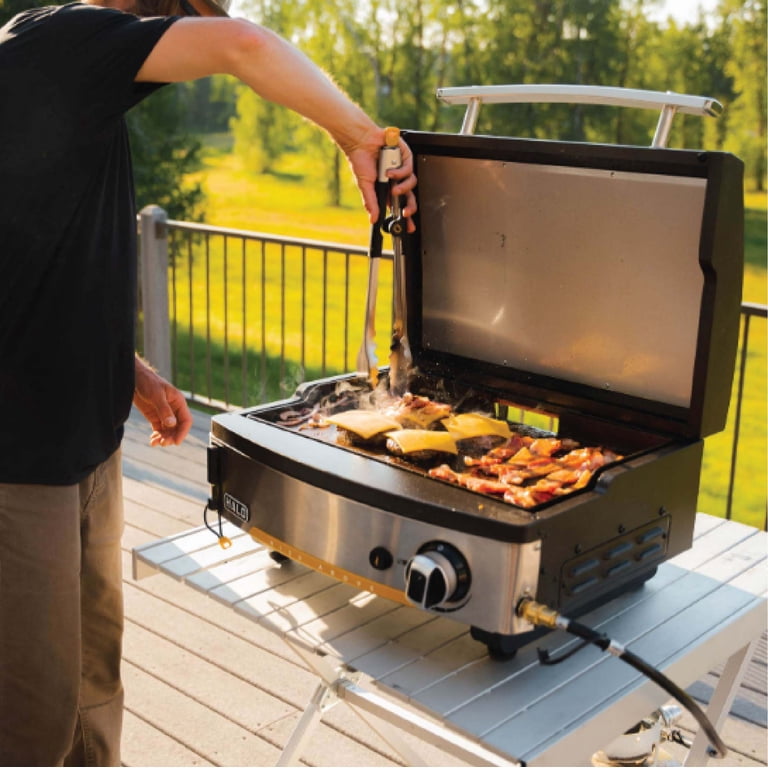
Electric grills are a safe choice for indoor grilling. They do not use open flames or gas. They heat up quickly and are easy to clean.
- Use a plug-in power source
- Adjust temperature settings easily
- Produce less smoke than gas grills
- Can be used on kitchen counters
- Safe for apartments and small spaces
Indoor Smokeless Grills
Indoor smokeless grills reduce smoke while cooking. They use special technology to keep smoke levels low. This makes them good for indoor use.
| Feature | Benefit |
| Non-stick surface | Easy to clean |
| Smoke reduction system | Less odor and smoke |
| Compact design | Fits small kitchens |
| Electric power | No gas needed |
Oven Broiling
Oven broiling is a simple way to grill food indoors. The oven’s top heat cooks food fast and evenly. It does not need extra equipment.
- Place the food on a broiler pan or rack
- Set the oven to broil mode
- Watch the food closely to avoid burning
- Turn the food halfway for even cooking
- Use oven mitts to handle hot pans safely
Credit: www.walmart.com
Essential Safety Precautions
Using a gas grill indoors can be risky. It is important to follow safety rules to avoid accidents.
This guide explains key safety steps to protect yourself and your home.
Proper Ventilation Techniques
Good airflow is critical when using a gas grill indoors. Without fresh air, dangerous gases can build up quickly.
Open windows and doors to create a path for air to move freely. Use fans to help push smoke and fumes outside.
- Always cook near a window or vent
- Use exhaust fans if available
- Keep doors open to improve air circulation
- Never use a grill in a small, closed room
Carbon Monoxide Detectors
Carbon monoxide is a colorless, odorless gas that can cause serious harm. Gas grills produce this gas when used indoors.
Install carbon monoxide detectors in your home. These devices warn you if gas levels become dangerous.
- Place detectors near the grill area
- Test detectors monthly
- Replace batteries regularly
- Follow manufacturer instructions for placement
Fire Extinguisher Readiness
Fires can start unexpectedly when using a gas grill indoors. Be prepared with a fire extinguisher close by.
Know how to use the extinguisher and check it often to make sure it works properly.
- Keep a Class B or multipurpose extinguisher nearby
- Read instructions before grilling
- Check pressure gauge monthly
- Replace or service extinguisher if damaged
Emergency Response Tips
Using a gas grill indoors can be very dangerous. It can cause fires and produce harmful gases.
Knowing what to do in an emergency can save lives. Learn how to act fast and stay safe.
Recognizing Carbon Monoxide Exposure
Carbon monoxide (CO) is a colorless, odorless gas. It can build up quickly indoors when using a gas grill.
Signs of CO exposure include headache, dizziness, nausea, and confusion. People may also feel weak or tired.
- Headache
- Dizziness
- Nausea
- Confusion
- Weakness
- Shortness of breath
Steps To Take During A Fire
If a fire starts, leave the area immediately. Do not try to put out a large fire yourself.
Call emergency services once you are safe. Warn others nearby to evacuate the building quickly.
- Exit the building calmly and quickly
- Call emergency services from a safe place
- Do not use elevators
- Help others if it is safe to do so
- Stay low if there is smoke
When To Seek Medical Help
Seek medical help if you or others feel symptoms of carbon monoxide poisoning. Early treatment is important.
If you have burns, trouble breathing, or severe pain after a fire, go to the hospital right away.
- Feeling dizzy or confused
- Severe headache
- Shortness of breath
- Burn injuries
- Chest pain
Credit: www.finesgas.com
Frequently Asked Questions
Is It Safe To Use A Gas Grill Indoors?
Using a gas grill indoors is not safe. Gas grills emit carbon monoxide, which can be deadly in enclosed spaces. Always use them outdoors where there is proper ventilation.
Can Gas Grills Cause Indoor Air Pollution?
Yes, gas grills can cause indoor air pollution. They release harmful gases like carbon monoxide and nitrogen dioxide. These gases can pose health risks, especially in poorly ventilated areas.
What Are The Risks Of Grilling Indoors?
Grilling indoors with a gas grill poses serious risks. These include fire hazards, carbon monoxide poisoning, and indoor air pollution. Always use grills outside to ensure safety.
Are There Indoor Alternatives To Gas Grills?
Yes, there are indoor alternatives to gas grills. Electric grills and stovetop grill pans are safe options. They don’t emit harmful gases and are designed for indoor use.
Conclusion
Using a gas grill indoors can be very risky and unsafe. Gas grills produce carbon monoxide, which is harmful in closed spaces. Always choose outdoor areas with good air flow for grilling. Safety should be your top priority when cooking with gas.
Remember, a cozy kitchen is not the right place for a gas grill. Stay safe and enjoy your meals the right way.