

Are you wondering if you can use an electric grill in your RV? Whether you’re a weekend adventurer or a full-time traveler, cooking delicious meals on the road is important.
But with limited space and power, you might be unsure if an electric grill is the right choice. This guide will answer your questions and help you enjoy tasty, hassle-free grilling wherever your RV takes you. Keep reading to discover how to make your next meal easy, safe, and delicious with an electric grill.
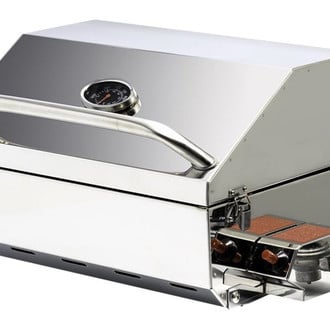
Credit: www.camperid.com
Electric Grills And Rv Compatibility
Electric grills offer a convenient way to cook while traveling in an RV. They do not use open flames, which makes them safer for many RV parks. Understanding how they fit with your RV’s setup helps you enjoy grilling without trouble.
Before using an electric grill, you should know about power needs, size, and safety. These factors affect how well the grill works with your RV.
Power Requirements
Electric grills need a power source to work. Most RVs use a 12-volt system, but electric grills often require 110 volts or more. Check your RV’s power capacity before using the grill.
- Know the grill’s wattage; higher wattage means more power.
- Use a generator or shore power to supply enough electricity.
- Avoid overloading your RV’s electrical system.
- Use extension cords rated for outdoor use and the grill’s power.
Size And Portability
Size matters for RV electric grills. You want a grill that fits your space and is easy to move.
| Feature | Consideration |
| Weight | Lightweight models are easier to carry and store. |
| Dimensions | Measure your RV’s available space before buying. |
| Foldable Parts | Grills with foldable legs save space when not in use. |
| Storage | Choose grills with covers or cases to protect them. |
Safety Considerations
Safety is very important when using an electric grill in an RV. You must avoid fire and electric hazards.
- Place the grill outside to avoid smoke inside the RV.
- Keep the grill away from flammable materials.
- Use grounded outlets and check cords for damage.
- Never leave the grill unattended while in use.
- Have a fire extinguisher nearby just in case.

Credit: www.reddit.com
Choosing The Right Electric Grill
Using an electric grill in your RV is a great way to cook safely and easily. Picking the right grill matters for space and power limits.
This guide helps you find the best electric grill for your RV trips. Learn about types, features, and top brands.
Types Of Electric Grills
Electric grills come in many styles. Choose one that fits your RV size and cooking needs.
- Contact grills cook from top and bottom. They are fast and even.
- Open grills have a heating element below the cooking surface. They give a traditional grilling feel.
- Portable grills are small and light. Easy to store and carry.
- Indoor grills can be used inside the RV safely with no smoke.
Features To Look For
Look for features that make grilling easier and safer in an RV.
| Feature | Benefit |
| Compact size | Fits small spaces and storage areas |
| Temperature control | Allows precise cooking and avoids burning |
| Non-stick surface | Makes cleaning fast and simple |
| Cool-touch handles | Prevents burns while moving the grill |
| Detachable parts | Easier to clean and maintain |
| Low power usage | Safe for RV electrical limits |
Top Brands For Rv Use
Some brands offer grills that fit RV needs well. They balance size, power, and quality.
- George Foreman: Known for compact and easy-to-clean grills.
- Weber: Offers portable electric grills with good heat control.
- Cadac: Makes lightweight grills for outdoor and RV use.
- Black+Decker: Provides affordable grills with simple features.
- Cuisinart: Known for durable grills with adjustable settings.
Setting Up Your Electric Grill In An Rv
Using an electric grill in an RV is a smart way to cook meals on the road. It is safer and cleaner than traditional grills that use gas or charcoal.
To use your electric grill safely, you need to set it up correctly. This includes choosing the right spot, connecting the power safely, and making sure there is enough air flow.
Optimal Placement
Place your electric grill in a spot that is stable and flat. Avoid areas with flammable materials or near fabric curtains.
Keep the grill outside or near an open window or door to prevent smoke buildup. Make sure the grill is not too close to walls or furniture.
- Use a sturdy table or stand
- Avoid placing near curtains or paper
- Keep grill at least one foot away from walls
- Set up near open windows or doors
Electrical Connections
Electric grills need a good power source. Check your RV’s electrical system to see if it can handle the grill’s power needs.
Use a grounded outlet and avoid extension cords if possible. If you use one, make sure it is rated for outdoor use and can handle the power load.
- Check grill power rating before use
- Plug into a grounded outlet
- Use heavy-duty, outdoor-rated extension cords only
- Do not overload electrical circuits
Ventilation Tips
Good ventilation is very important when grilling in an RV. It helps remove smoke and heat from inside.
Open windows and doors while grilling. If your RV has roof vents or fans, turn them on to improve airflow.
- Open windows and doors near the grill
- Use roof vents or fans to move air
- Never grill inside a closed RV
- Keep a fire extinguisher nearby for safety
Cooking Tips For Rv Electric Grills
Using an electric grill in your RV can make cooking easy and fun. It saves space and is safe to use inside or outside your vehicle.
To get the best results, it helps to know which foods grill well, how to control the temperature, and how to keep your grill clean.
Best Foods To Grill
Electric grills work well with many foods. Choose items that cook evenly and stay juicy.
- Chicken breasts and thighs
- Vegetables like bell peppers, zucchini, and mushrooms
- Fish fillets such as salmon or tilapia
- Hamburgers and hot dogs
- Tofu and veggie patties for a plant-based option
Temperature Control
Good temperature control helps cook food evenly and prevents burning. Most RV electric grills have adjustable heat settings.
| Temperature Setting | Best Use |
| Low (250-300°F) | Vegetables, delicate fish |
| Medium (300-375°F) | Chicken, tofu, thicker fish |
| High (375-450°F) | Burgers, steaks, hot dogs |
Cleaning And Maintenance
Keep your electric grill clean to avoid smoke and bad smells. Regular cleaning also extends the grill’s life.
- Unplug the grill and let it cool before cleaning.
- Use a soft brush or cloth to remove food bits from the grill plates.
- Wipe plates with a damp cloth and mild soap if needed.
- Empty and clean the drip tray after each use.
- Store the grill in a dry place to prevent rust.
Safety Tips For Using Electric Grills In Rvs
Using an electric grill in an RV is a smart way to cook. It is cleaner and easier than gas grills. Still, safety is very important. You need to follow some rules to keep your RV safe.
This guide covers key safety tips. We will look at fire prevention, proper storage, and handling electrical issues.
Fire Prevention
Electric grills can cause fires if not used carefully. Always keep the grill away from flammable materials. Use it outside or in well-ventilated areas only.
Never leave the grill unattended. Keep a fire extinguisher nearby. Clean the grill after each use to avoid grease buildup.
- Place the grill on a flat, stable surface
- Keep the grill at least 10 feet from the RV
- Do not use the grill inside the RV
- Have a fire extinguisher within reach
- Clean grease and food residue regularly
Proper Storage
Store your electric grill safely when not in use. Keep it dry to prevent rust and damage. Avoid storing the grill near heat sources or in direct sunlight.
Use a grill cover to protect it from dust and dirt. Make sure the grill is cool before storing. Store the power cord separately to avoid wear and tear.
- Keep the grill in a dry place
- Cover the grill with a protective cover
- Store away from heat and sunlight
- Let the grill cool before storing
- Wrap and store the power cord safely
Handling Electrical Issues
Electric grills need safe handling of their power supply. Use the correct power source and avoid overloading outlets. Check cords and plugs for damage before use.
Unplug the grill when not in use. If you see sparks, smells, or smoke, stop using the grill immediately. Call a professional to fix electrical problems.
- Use the grill with proper voltage only
- Inspect power cords before each use
- Avoid using extension cords if possible
- Unplug the grill after cooking
- Stop use if electrical issues appear
Alternatives To Electric Grills In Rvs
Electric grills are popular for RV cooking. Still, some places limit their use. You may want other choices that fit your RV lifestyle.
Several grilling options work well in RVs. They offer different flavors and fit different spaces. Let’s explore some good alternatives.
Propane Grills
Propane grills are common for RVs. They heat quickly and cook food evenly. Many are portable and easy to store. You just need to keep propane tanks safely.
- Fast heating saves cooking time
- Easy to control temperature
- Works well outdoors
- Requires propane fuel supply
- Good for grilling meat, vegetables, and more
Portable Charcoal Grills
Charcoal grills give a smoky flavor to your food. Portable models fit well in RVs. They need charcoal and lighter fluid. Cooking takes longer but many enjoy the taste.
| Feature | Benefit | Consideration |
| Fuel | Charcoal | Requires charcoal and lighter fluid |
| Flavor | Smoky, rich taste | Longer cooking time |
| Portability | Compact and light | Needs space for ashes |
| Safety | Outdoor use only | Fire risk if not careful |
Indoor Grilling Options
Indoor grills work inside your RV. They use electric heat plates or infrared. These grills produce less smoke and are easy to clean. They fit small kitchens well.
- Electric griddles for pancakes and sandwiches
- Infrared grills for quick searing
- Smokeless grills to reduce odors

Credit: www.campingworld.com
Frequently Asked Questions
Can Electric Grills Be Safely Used Inside An Rv?
Yes, electric grills are safer than gas grills indoors. Ensure proper ventilation and avoid using grills near flammable materials. Always follow the manufacturer’s safety instructions to prevent fire hazards inside your RV.
Do Electric Grills Require Special Power Sources In Rvs?
Most electric grills run on standard 110-120V power outlets. Check your RV’s electrical capacity before use. Using a grill that matches your RV’s power supply prevents overloads and ensures safe operation.
How Does An Electric Grill Compare To A Propane Grill In An Rv?
Electric grills produce less smoke and require no fuel refills. They are easier to use indoors and safer in confined spaces. Propane grills offer higher heat but need outdoor use due to gas risks.
Are Electric Grills Energy-efficient For Rv Camping?
Yes, electric grills consume less energy than propane grills. They heat quickly and maintain temperature efficiently. This makes them ideal for conserving your RV’s battery or shore power while cooking.
Conclusion
Electric grills work well in many RV settings. They offer a safe, clean cooking option without open flames. You just need to check your RV’s power limits first. Small size and easy use make them perfect for travel. Just keep safety in mind when grilling indoors.
With the right care, electric grills make RV meals simple and tasty. Enjoy cooking on the road without worry or hassle.