
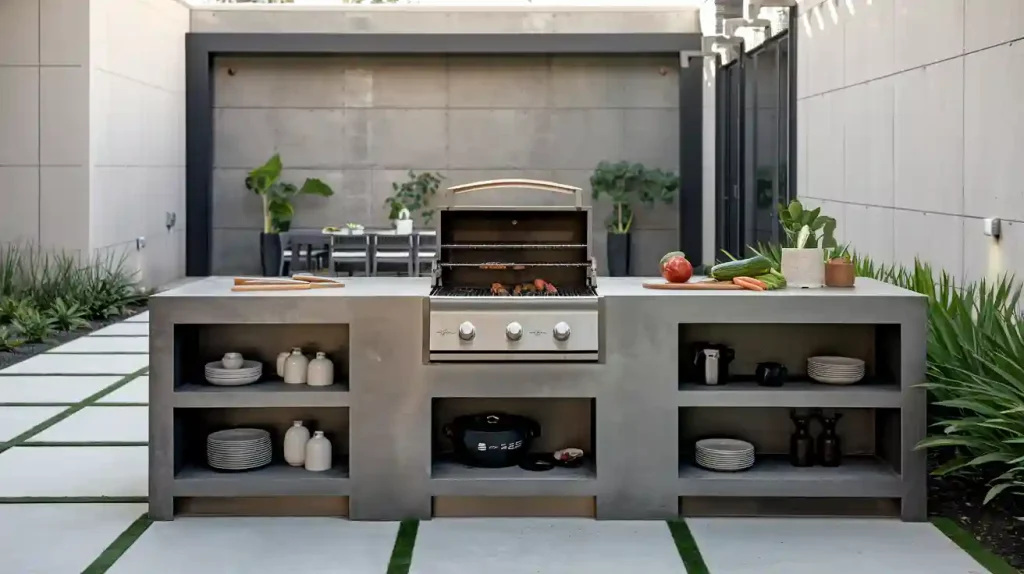
Are you wondering if you can use charcoal in your built-in grill? You’re not alone.
Many grill owners want the rich, smoky flavor that charcoal offers but aren’t sure if their built-in grill is up for the task. Using charcoal can change the way you cook and taste your food, but it’s important to know if it’s safe and effective for your setup.
Keep reading to discover the truth about charcoal and built-in grills—and learn how to get the best results every time you fire up your grill.
Types Of Built-in Grills
Built-in grills are popular for outdoor kitchens and patios. They come in different types that suit various cooking styles and preferences.
Knowing the main types helps you decide which grill fits your needs and if you can use charcoal in them.
Gas Grills
Gas grills use propane or natural gas to heat the cooking surface. They are easy to start and control the temperature quickly.
Most built-in gas grills do not allow the use of charcoal. They have burners designed specifically for gas fuel.
Charcoal Grills
Charcoal grills use charcoal briquettes or lump charcoal as fuel. They provide a smoky flavor that many people enjoy.
- Charcoal grills take longer to heat up than gas grills.
- They require more cleaning due to ash and charcoal remains.
- Built-in charcoal grills are less common but offer traditional grilling.
You can use charcoal safely in built-in charcoal grills designed for it. Avoid using charcoal in grills made only for gas.
Hybrid Models
Hybrid built-in grills combine gas and charcoal options in one unit. They offer flexibility for different cooking styles.
| Feature | Gas Mode | Charcoal Mode |
|---|---|---|
| Fuel Type | Propane or natural gas | Charcoal briquettes or lump charcoal |
| Heat Control | Easy and quick | Manual and slower |
| Flavor | Clean and neutral | Smoky and rich |
| Cleaning | Less ash, easier | More ash, requires effort |

Credit: www.siuhaau.com
Benefits Of Using Charcoal
Charcoal is a popular fuel for grilling. It adds unique benefits to built-in grills.
Using charcoal can improve flavor, cooking heat, and save money. These points make it a good choice for many grillers.
Flavor Enhancement
Charcoal creates a smoky taste that gas grills do not. This flavor comes from natural wood and coal burning.
The smoke from charcoal adds depth and richness to grilled foods. Many people prefer this taste.
High Heat Cooking
Charcoal burns hotter than many other fuels. This high heat helps cook food quickly and evenly.
Strong heat is great for searing meat and locking in juices. It also creates nice grill marks.
Cost Effectiveness
Charcoal is often less expensive than propane or natural gas. It is easy to buy in many stores.
Using charcoal can save money on fuel costs. It also lasts a long time if stored properly.
Compatibility Of Charcoal With Built-in Grills
Many people wonder if charcoal works in built-in grills. Built-in grills are often designed for gas or electric use. Using charcoal may need special care and setup.
Charcoal can give a smoky flavor that some users prefer. Checking your grill’s design and parts helps ensure safe and effective use.
Design Considerations
Built-in grills vary in design, so not all fit charcoal use. Some grills have trays or containers made for charcoal. Others do not support charcoal at all.
Look for a grill with a removable charcoal tray or enough space for charcoal placement. Avoid grills with parts that could catch fire easily.
- Check if the grill has a charcoal tray
- Make sure there is enough space for charcoal
- Avoid grills with delicate or flammable parts near the fire area
Material Durability
Charcoal burns hotter than gas, so the grill materials must handle high heat. Built-in grills made from stainless steel or cast iron last longer with charcoal.
Materials that can warp or crack under heat are not good for charcoal use. Consider grills with heat-resistant coatings or parts.
- Choose grills with stainless steel or cast iron parts
- Avoid grills with plastic or thin metal near the fire
- Heat-resistant coatings protect grill surfaces
Ventilation Needs
Charcoal produces smoke and needs good airflow to burn well. Built-in grills should have vents or openings to supply fresh air.
Poor ventilation can cause charcoal to burn unevenly or create excess smoke. Proper vents help control temperature and smoke release.
- Look for built-in grills with adjustable vents
- Ensure enough airflow for charcoal burning
- Good ventilation helps control cooking heat and smoke
Safety Tips For Charcoal Use
Using charcoal in a built-in grill can give great flavor to your food. It is important to follow safety tips to avoid accidents.
These tips help protect your home and keep you safe while grilling with charcoal.
Proper Placement
Place the built-in grill in an open area with good airflow. Avoid placing it near walls, trees, or flammable materials.
Make sure the grill sits on a stable surface. This prevents tipping and spills of hot charcoal.
- Keep the grill at least 10 feet from buildings and plants
- Use a heat-resistant base if needed
- Do not use the grill indoors or in enclosed spaces
Fire Prevention
Always have a fire extinguisher or water nearby before lighting charcoal. Stay close while the charcoal burns.
Avoid using lighter fluid or other flammable liquids to start the fire. Use a chimney starter or electric starter instead.
- Keep children and pets away from the grill
- Never leave the grill unattended
- Extinguish the charcoal completely after cooking
Handling Ashes
Wait until the ashes are cool before cleaning the grill. Hot ashes can cause burns or start fires.
Dispose of ashes in a metal container with a lid. Store the container away from flammable objects.
- Use a metal scoop or brush to remove ashes
- Never dump ashes directly into trash bins or on the ground
- Check ashes for heat before disposal
Step-by-step Charcoal Setup
Using charcoal in a built-in grill can give your food a rich, smoky flavor. Setting up the charcoal correctly is key for a good grilling experience.
This guide will help you prepare your grill, light the charcoal, and keep the fire going strong.
Preparing The Grill
First, clean the grill grates to remove old food and ashes. This stops flare-ups and keeps your food tasting fresh.
Next, check the charcoal grate for any damage. Make sure air vents are open to allow good airflow.
- Remove ashes from previous use
- Clean grill grates with a wire brush
- Inspect charcoal grate for cracks
- Open air vents fully
Lighting The Charcoal
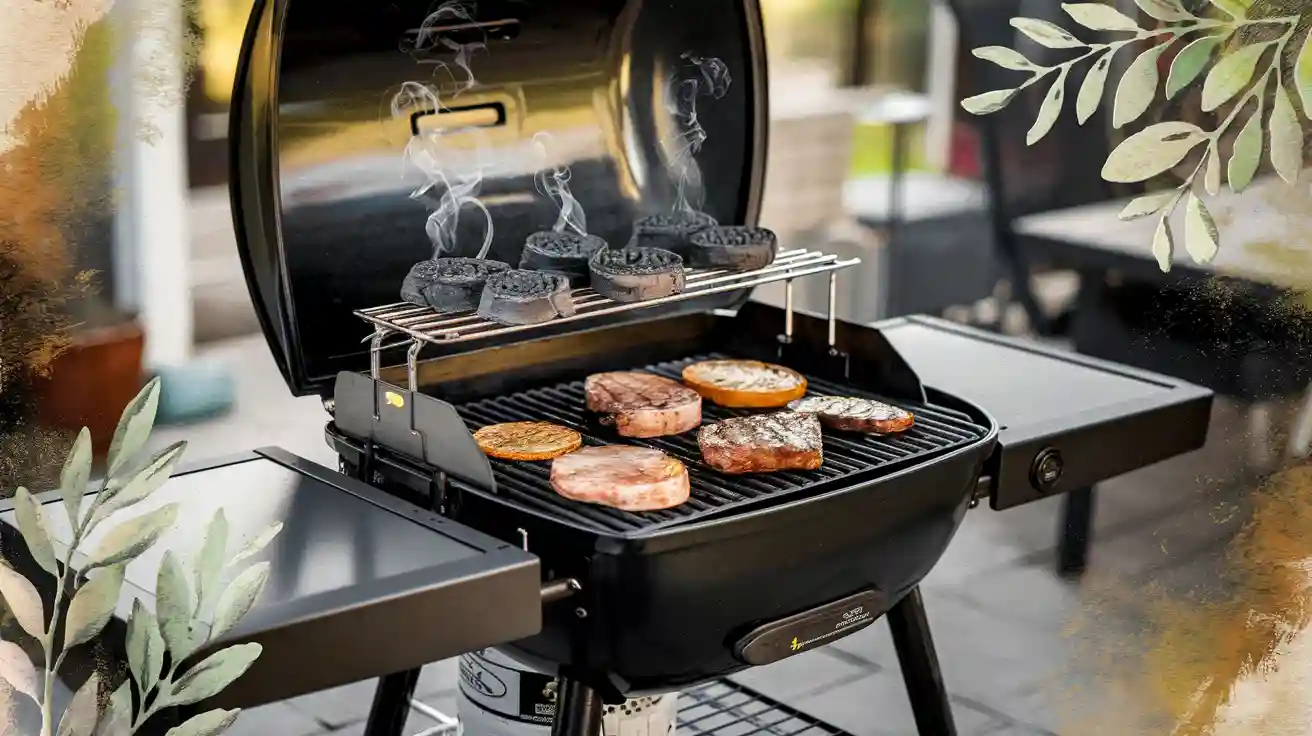
Arrange charcoal briquettes in a pile or pyramid shape on the charcoal grate. This helps the fire spread evenly.
Use a chimney starter or lighter cubes to light the charcoal safely. Avoid using lighter fluid, as it can affect food taste.
- Place charcoal in a pile or pyramid
- Light with chimney starter or lighter cubes
- Wait 10-15 minutes until coals turn gray
- Spread coals evenly for cooking
Maintaining The Fire
Keep the fire hot by adding more charcoal as needed. Add briquettes slowly to avoid smothering the fire.
Adjust the air vents to control the heat. Open vents increase the temperature; closing vents lowers it.
- Add charcoal in small amounts during long cooks
- Use tongs to move coals safely
- Control heat with air vents
- Keep a spray bottle nearby for flare-ups
Credit: www.siuhaau.com
Cleaning And Maintenance
Using charcoal in a built-in grill needs regular cleaning. Proper care keeps the grill safe and working well.
Follow simple steps to remove ash, clean grates, and protect your grill for a long time.
Ash Removal
After cooking, wait until the charcoal cools down completely. Remove all ash from the firebox. This prevents blockages and keeps air flowing.
- Use a metal scoop or ash tool to scoop out ashes.
- Dispose of ashes in a metal container to avoid fire risks.
- Clean the ash catcher if your grill has one.
Grate Cleaning
Clean the grill grates after each use. This stops food buildup and rust. Hot grates are easier to clean.
- Heat the grill for 10 minutes to burn off residue.
- Use a stiff wire brush to scrub the grates.
- Wipe with a damp cloth to remove debris.
- Apply cooking oil to prevent rust and sticking.
Long-term Care
| Maintenance Task | Frequency | Tools Needed |
|---|---|---|
| Deep cleaning of firebox | Every 3 months | Scraper, brush, mild detergent |
| Check and clean vents | Monthly | Small brush or compressed air |
| Protect with grill cover | After every use | Waterproof grill cover |
| Inspect for rust and damage | Every season | Cloth, rust remover |
Alternatives To Charcoal In Built-in Grills
Charcoal adds great flavor to grilled food. But built-in grills can use other fuel types too.
Many people look for easier or cleaner options than charcoal. Here are some popular choices.
Gas Options
Gas grills use propane or natural gas. They heat up quickly and are easy to control.
- Light and adjust flame instantly
- Less smoke than charcoal
- Clean and simple to use
- Works well in built-in grill setups
Electric Grills
Electric grills plug into a power outlet. They are great for indoor or covered areas.
| Feature | Electric Grills |
| Fuel Type | Electricity |
| Smoke Level | Very Low |
| Heat Control | Precise and Easy |
| Setup Needs | Power Outlet |
Pellet Grills
Pellet grills burn wood pellets for heat and flavor. They combine smoky taste with ease of use.
- Use compressed wood pellets
- Automatic temperature control
- Good smoke flavor like charcoal
- Works with built-in grill models

Credit: www.siuhaau.com
Frequently Asked Questions
Can You Safely Use Charcoal In A Built-in Grill?
Yes, you can use charcoal in a built-in grill if it’s designed for charcoal use. Ensure proper ventilation and follow manufacturer guidelines for safety.
What Are The Benefits Of Using Charcoal In Built-in Grills?
Charcoal adds a smoky flavor and high heat. It’s great for searing and imparts a traditional grilling taste many enjoy.
How Do You Clean A Built-in Charcoal Grill After Use?
Remove ash after every use to prevent buildup. Clean grates with a grill brush and empty the ash catcher regularly.
Can Built-in Grills Switch Between Gas And Charcoal?
Some built-in grills are dual-fuel and support both. Check your model’s specifications to confirm if it allows easy fuel switching.
Conclusion
Using charcoal in a built-in grill can add great flavor to your food. It requires care and the right setup to work safely. Make sure your grill allows charcoal use and follow all safety tips. Charcoal grilling takes more time but offers a unique taste.
Enjoy experimenting with both gas and charcoal for different results. Your built-in grill can be versatile with the right approach. Give it a try and see what flavors you like best.