

Have you ever wondered if you can use your propane grill as a built-in feature in your outdoor kitchen? If you’re dreaming of a sleek, custom cooking space that blends seamlessly with your patio, this question is probably on your mind.
You want to make sure your grill fits perfectly, works safely, and gives you the best grilling experience. You’ll discover everything you need to know about turning your propane grill into a built-in powerhouse. Keep reading to find out how to make your outdoor cooking space both stylish and functional.
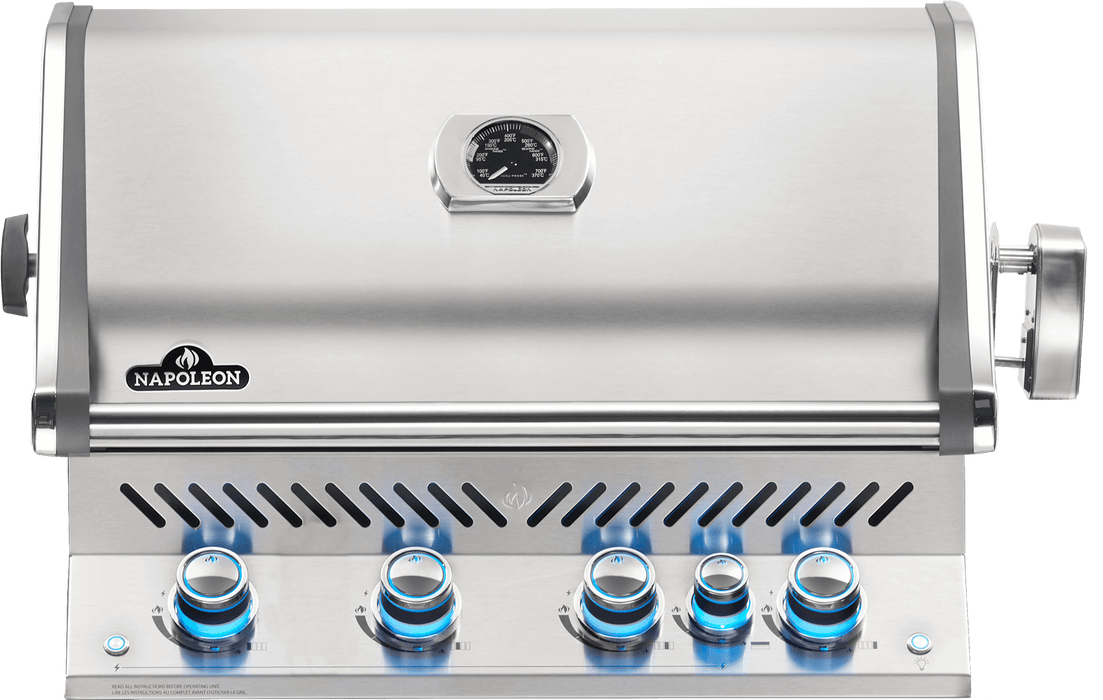
Credit: bbqing.com
Benefits Of Built-in Propane Grills
Built-in propane grills offer many advantages for outdoor cooking. They fit into your outdoor kitchen or patio space.
These grills combine style, function, and convenience. They make grilling easier and improve your outdoor area.
Enhanced Outdoor Aesthetics
Built-in propane grills create a clean and polished look. They blend well with countertops and cabinets.
This setup helps your outdoor space look organized and inviting. It feels like a true extension of your home.
- Seamless design with your outdoor kitchen
- Custom finishes match your style
- Less clutter compared to portable grills
Space Efficiency
Built-in grills save space by fitting into cabinets or islands. This keeps your patio open and easy to move around.
They also provide extra storage below for tools and supplies. This makes cooking more convenient and organized.
- Compact design fits tight spaces
- Storage areas reduce clutter
- Better layout for cooking and serving
Increased Home Value
Adding a built-in propane grill can boost your home’s market value. It makes your outdoor area more attractive to buyers.
This upgrade shows care and style in your home design. It can give you a better return if you sell your house.
- Enhances outdoor living space appeal
- Seen as a valuable home feature
- Increases buyer interest and offers
Choosing The Right Propane Grill
Using a propane grill as a built-in option can save space and improve your outdoor cooking area. Picking the right grill is important for safety and performance.
Look at key features like size, material, and fuel use before installing your grill.
Size And Capacity
Choose a grill size that fits your cooking needs and the space available. A grill that is too big or too small can cause problems.
Think about how many people you usually cook for and the size of your outdoor kitchen.
- Small grills work for 2-4 people
- Medium grills suit 4-6 people
- Large grills fit 6 or more people
- Measure your built-in space carefully
Material And Durability
Pick a grill made of strong, weather-resistant materials. This keeps your grill safe and long-lasting outdoors.
Stainless steel is a popular choice because it resists rust and looks good for years.
- Stainless steel resists rust and heat
- Cast iron holds heat well but needs care
- Aluminum is light and resists corrosion
- Check for warranties on materials
Fuel Efficiency
Fuel efficiency affects how much propane you use and how long you can cook. A good grill saves fuel and money.
Look for grills with adjustable burners and good heat control. These features help you cook evenly and avoid wasting fuel.
- Adjustable burners control heat levels
- Sealed burners improve fuel use
- Check BTU ratings for power and efficiency
- Choose grills with electronic ignition to save fuel
Installation Requirements
Using a propane grill as a built-in unit needs careful planning. You must follow safety and installation rules.
Proper setup helps avoid accidents and ensures the grill works well for a long time.
Proper Ventilation
Good airflow is critical for a built-in propane grill. It stops gas buildup and reduces fire risk.
Make sure the grill area has vents or openings to let fresh air in and let heat escape.
- Install vents near the bottom and top of the grill enclosure
- Check local codes for ventilation rules
- Keep vents clear of debris and obstructions
Clearance And Safety Zones
Keep enough space around the grill to avoid fire hazards. Clearance protects walls and nearby objects.
Follow these safety distances to protect your home and family.
- Maintain at least 24 inches from combustible materials
- Keep a 48-inch clear zone in front of the grill
- Do not install under low-hanging roofs or overhangs
- Place the grill on a stable, non-flammable surface
Connecting Propane Lines
Use proper propane hoses and fittings for built-in grills. Incorrect connections cause leaks and dangers.
Follow safety tips to connect propane lines securely and correctly.
- Use hoses rated for outdoor and high heat use
- Check all connections with a soapy water test for leaks
- Use a shut-off valve near the grill for emergency control
- Hire a licensed professional if unsure about installation

Credit: www.siuhaau.com
Building The Grill Enclosure
Using a propane grill as a built-in unit needs careful planning. The enclosure must hold the grill securely and safely.
Building a good enclosure protects the grill from weather and keeps your cooking area neat. Let’s look at important parts to consider.
Materials To Use
Choose materials that can handle heat and outdoor conditions. Wood, stone, and metal are common choices for grill enclosures.
Concrete and brick are very durable. They hold up well to heat and rain. Stainless steel is also good because it resists rust.
- Pressure-treated wood for structure
- Natural stone or brick for durability
- Stainless steel for weather resistance
- Heat-resistant cement or concrete
Weatherproofing Techniques
Protect your built-in grill from rain, sun, and wind. Use weatherproofing to keep the enclosure strong and safe.
Apply sealants to wood and stone surfaces. Use waterproof covers or doors to shield the grill when not in use.
- Seal wood with outdoor-grade sealant
- Use waterproof paint or stone sealers
- Install doors or covers for the grill
- Ensure proper ventilation to avoid moisture buildup
Custom Vs. Pre-made Cabinets
Custom cabinets fit your space and style perfectly. You can choose materials and design to match your outdoor area.
Pre-made cabinets are faster to install and often cheaper. They come in standard sizes and materials designed for outdoor use.
- Custom cabinets offer tailored fit and design
- Pre-made cabinets are easy and quick to set up
- Custom options allow better material choice
- Pre-made units can be limited in size and style
Safety Tips For Built-in Grills
Using a propane grill as a built-in grill requires careful safety checks. Follow important tips to keep your grill safe and working well.
These tips help you avoid accidents and keep your grill in good condition. Safety should always come first when using gas appliances.
Leak Detection
Check for propane leaks before every use. Leaks can cause fires or explosions if not found early.
Use a soapy water solution on hose connections. Look for bubbles that show escaping gas.
- Turn off the grill and propane tank before testing.
- Apply soapy water to all hose and tank connections.
- Open the propane valve slowly to check for bubbles.
- Fix any leaks before using the grill again.
Regular Maintenance
Keep your built-in grill clean and maintained. This prevents damage and unsafe conditions.
Inspect burners, hoses, and connections often. Clean grease and debris from the grill surface.
- Check burners for blockages or rust.
- Replace cracked or worn hoses immediately.
- Clean grill grates after each use.
- Store propane tanks in a cool, ventilated area.
Emergency Shutoff Procedures
Know how to shut off your propane supply quickly in an emergency. This stops gas flow and reduces danger.
Locate the main valve on the propane tank and the grill’s shutoff valve. Practice turning them off fast.
- Turn off the grill knobs first.
- Close the propane tank valve completely.
- Move away from the grill if you smell gas.
- Call emergency services if a fire starts.
.jpg)
Credit: www.bbqgrills.com
Common Challenges And Solutions
Using a propane grill as a built-in option can bring some challenges. These challenges affect safety, function, and maintenance.
Knowing these issues helps you prepare and keep your grill working well. Below are common problems and how to solve them.
Heat Management
Built-in propane grills can trap heat, causing uneven cooking or damage. Proper heat flow is important.
- Install vents around the grill to allow air to move freely.
- Use heat-resistant materials in the grill’s enclosure.
- Check for heat shields or barriers to protect nearby surfaces.
- Monitor temperature regularly to avoid overheating.
Propane Tank Accessibility
Placing the propane tank inside a built-in grill can make access hard. This is a safety and convenience concern.
| Challenge | Solution |
| Tank hard to reach | Build a pull-out tray or door for easy access |
| Risk of gas leaks | Check connections often and use leak detectors |
| Tank overheating | Keep tank away from direct heat sources and provide ventilation |
Cleaning And Upkeep
Built-in grills need regular cleaning to work well and last long. Dirt and grease build-up can cause problems.
- Clean grill grates after each use to prevent food buildup.
- Remove grease trays and empty them regularly.
- Inspect burners and clean clogged holes with a brush.
- Cover the grill when not in use to protect from weather.
Expert Recommendations
Using a propane grill as a built-in appliance can be a great addition to your outdoor kitchen. It needs the right setup and care for safe use and long life.
Below are expert tips on installation, maintenance, and upgrades for your built-in propane grill.
Professional Installation Advice
Always hire a licensed professional to install your built-in propane grill. Proper installation prevents gas leaks and fire hazards.
- Ensure the grill fits the cabinet space with proper ventilation.
- Use approved gas lines and connectors for safety.
- Check local codes for outdoor gas appliance installation rules.
- Test all connections for leaks before first use.
Best Practices For Longevity
Maintain your built-in propane grill to keep it working well for years. Clean and inspect it regularly.
| Maintenance Task | Frequency | Details |
| Clean grates | After each use | Remove food residue with a grill brush |
| Check gas lines | Every 6 months | Look for cracks or leaks |
| Inspect burners | Yearly | Clear clogged holes and replace if damaged |
| Cover grill | Always when not in use | Protect from weather and dirt |
Upgrading Your Setup
Upgrading your grill setup can improve cooking and safety. Consider these options for a better outdoor kitchen.
- Add a built-in thermometer for precise temperature control.
- Install side burners or warming racks for extra cooking space.
- Use stainless steel cabinets for durability and easy cleaning.
- Upgrade to a high-quality ignition system for quick starts.
Frequently Asked Questions
Can A Propane Grill Be Built-in?
Yes, a propane grill can be built-in, but it requires proper ventilation. Ensure your grill has adequate airflow and space. Consult the manufacturer’s guidelines for installation specifics. It’s crucial to follow safety precautions to prevent hazards. A professional installation is recommended for optimal results and safety.
What Are The Benefits Of A Built-in Propane Grill?
A built-in propane grill offers a sleek, integrated look for outdoor kitchens. It saves space and enhances outdoor cooking experiences. Built-ins are durable and often have advanced features. They add value to your home and provide a permanent cooking solution.
How To Safely Install A Propane Grill?
To safely install a propane grill, follow the manufacturer’s instructions carefully. Ensure proper ventilation and spacing around the grill. Use non-combustible materials for surrounding areas. Consider hiring a professional for installation. Regularly check connections and hoses for leaks to maintain safety.
Do Built-in Grills Require Special Maintenance?
Yes, built-in grills require regular maintenance to ensure longevity and safety. Clean grates and burners regularly. Check for gas leaks and inspect hoses. Cover the grill when not in use to protect from elements. Annual professional inspections are recommended for optimal performance.
Conclusion
A propane grill can work well as a built-in option. You need to ensure proper ventilation and safety measures. Choose a grill designed for built-in use to avoid problems. Installation should follow the manufacturer’s instructions closely. Regular cleaning keeps the grill in good shape.
This setup can save space and look neat. Keep checking gas connections for safety. Enjoy cooking outdoors with a reliable built-in propane grill. Simple steps lead to a great grilling experience.