

Are you planning a trip and wondering if you can bring your portable grill on an airplane? Whether you’re dreaming of a beach barbecue or a camping cookout at your destination, knowing the rules before you pack can save you a lot of trouble.
You don’t want to get stuck at airport security or have your grill confiscated. You’ll discover exactly what’s allowed, what’s not, and how to prepare your portable grill for air travel. Keep reading to make sure your next adventure includes the perfect meal cooked just the way you like it.
Airline Rules For Portable Grills
Many travelers wonder if they can take a portable grill on an airplane. Airlines have special rules for carrying grills. These rules keep everyone safe during the flight.
It is important to know what is allowed and what is not. This helps avoid problems at the airport.
Carry-on Vs Checked Baggage Policies
Most airlines do not allow portable grills in carry-on bags. This is because grills can have sharp parts or fuel. These items are not safe in the cabin.
Checked baggage rules are different. Some grills are allowed in checked bags if they are clean and empty. It means no fuel or ashes inside.
- Carry-on bags usually cannot have grills.
- Checked bags may allow grills if empty and clean.
- Always check with your airline before packing.
Fuel And Propane Restrictions
Fuel and propane for grills are mostly banned on airplanes. They are flammable and dangerous. Airlines will not let you bring fuel tanks on board.
Empty fuel containers might be allowed but must be completely clean and free of gas. Always remove fuel before travel.
- No full fuel or propane tanks allowed.
- Empty containers may be allowed if clean.
- Check airline rules for specific fuel types.
Size And Weight Limits
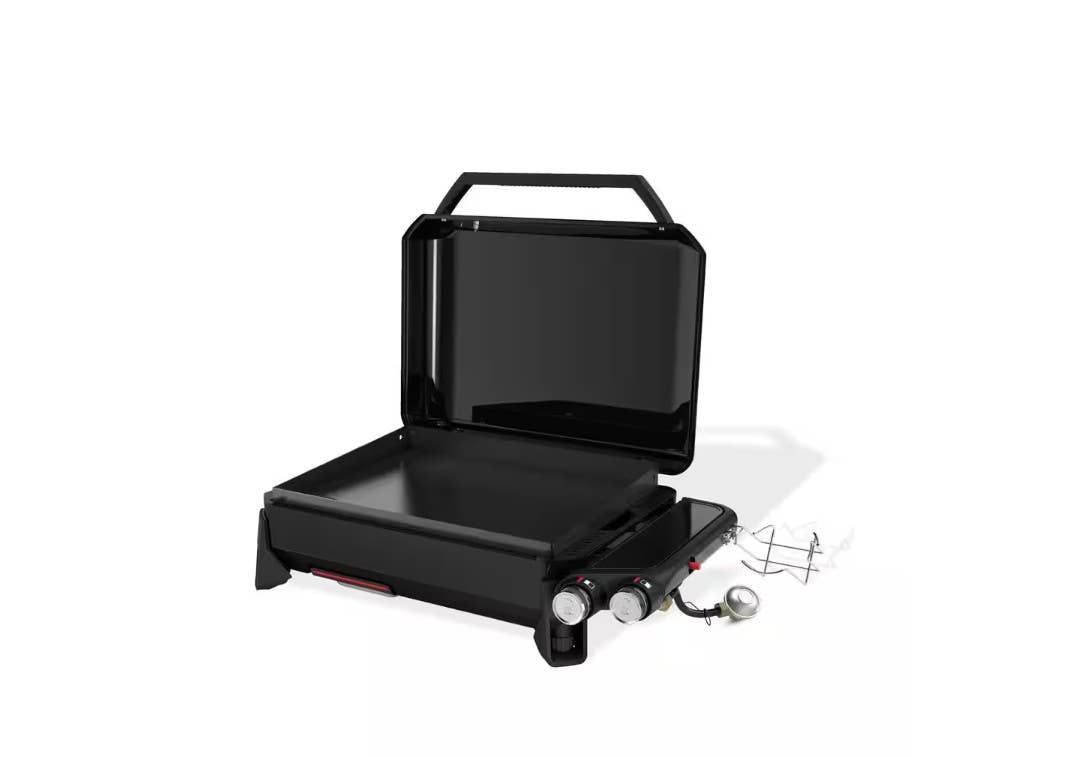
Portable grills must meet size and weight limits set by airlines. Smaller grills are easier to carry and pack. Large grills may not fit in baggage.
Each airline has its own size and weight rules. Check these before traveling to avoid fees or denied boarding.
| Airline | Max Size (Checked) | Max Weight (Checked) |
|---|---|---|
| Example Airline A | 62 linear inches (length + width + height) | 50 lbs (23 kg) |
| Example Airline B | 55 linear inches | 70 lbs (32 kg) |
Credit: www.mensjournal.com
Types Of Portable Grills Allowed
Taking a portable grill on an airplane requires knowing which types are allowed. Different grills have different rules set by airlines and security.
Understanding the grill types helps you pack safely and avoid problems at the airport.
Charcoal Grills
Charcoal grills are popular for their smoky flavor. But they are mostly not allowed on planes because charcoal is a fire hazard.
Even if the grill is empty, leftover ashes or charcoal pieces can cause issues with security checks.
Gas And Propane Grills
Gas and propane grills use fuel tanks that are very dangerous on planes. Airlines usually ban carrying fuel containers or tanks in both checked and carry-on bags.
- Empty tanks are often still not allowed.
- Fuel canisters must be completely disconnected and free of gas.
- Some small canisters for camping stoves might be allowed with airline approval.
Electric Grills
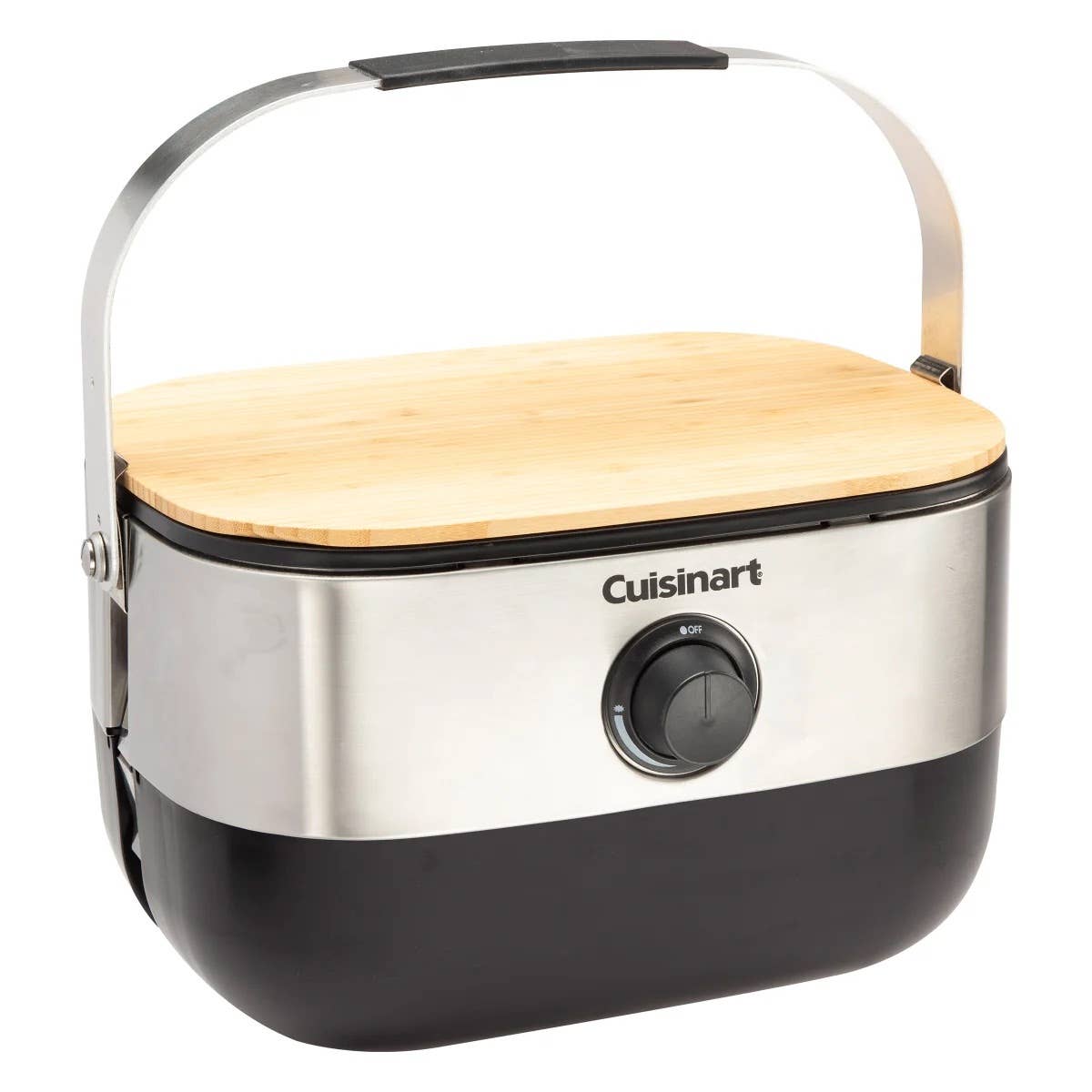
Electric grills are safer because they do not use fuel or charcoal. They are generally allowed in checked or carry-on luggage.
| Grill Type | Allowed on Plane | Notes |
| Charcoal Grills | No | Fire risk and charcoal residue |
| Gas and Propane Grills | Rarely | Fuel tanks usually banned |
| Electric Grills | Yes | No fuel, safer for travel |
Packing Your Portable Grill
Taking your portable grill on an airplane needs careful packing. You must follow airline rules for safe travel.
Packing right helps protect the grill and keeps you safe during the flight.
Cleaning And Preparing The Grill
Clean your grill fully before packing. Remove all food and grease to prevent smells and pests.
Dry the grill well to avoid rust or damage. Take apart any removable parts for easier packing.
Proper Packaging Techniques
Use a sturdy bag or case designed for your grill. Wrap it in bubble wrap or towels for extra protection.
Make sure all parts fit tightly inside the packaging. Avoid loose items that can break or get lost.
- Use a hard-sided case if possible
- Wrap sharp edges carefully
- Label the package as fragile
- Keep the grill dry and clean
Handling Fuel Canisters
Never pack fuel canisters inside your checked or carry-on luggage. Airlines usually forbid them on planes.
Remove all fuel and store canisters separately if you plan to travel with them. Check airline rules before flying.
- Empty fuel tanks completely
- Do not bring full or partially full fuel cans
- Store fuel canisters in approved containers if allowed
- Declare any fuel items to airline staff
Security Checkpoint Tips
Taking a portable grill on an airplane requires careful planning. Knowing what to expect at security can save you time and trouble.
This guide helps you prepare for the security checkpoint when carrying your grill.
What To Expect At Tsa
TSA agents will inspect your portable grill carefully. They check for any prohibited items inside or attached to the grill.
You may be asked to open the grill and remove any fuel or accessories. The process takes extra time, so arrive early.
- Your grill must be clean and free of ashes.
- Fuel sources like propane tanks are not allowed.
- Sharp tools inside the grill may be removed.
Declaring Your Grill
Always declare your portable grill at the security checkpoint. Let TSA agents know you are carrying it before the scan.
Clear communication helps avoid confusion and delays. If you have any fuel or parts, mention those as well.
- Tell TSA about the grill and any accessories.
- Explain if the grill uses fuel or batteries.
- Answer questions honestly and clearly.
Avoiding Common Issues
To avoid problems, pack your grill properly. Remove all fuel and clean it before the flight.
Check airline rules about portable grills. Some airlines have specific restrictions or bans.
- Do not bring fuel tanks or canisters.
- Keep grill parts separate and easy to inspect.
- Arrive early to allow extra screening time.
- Review TSA and airline policies before traveling.
Alternative Travel Options
Taking a portable grill on an airplane can be tricky. Many airlines have rules about carrying grills. You might want to consider other ways to enjoy grilling while traveling.
These options let you cook your meals without worrying about airline restrictions. They also save you the trouble of packing and carrying heavy gear.
Renting Grills At Destination
Many travel spots offer grill rentals for visitors. Renting lets you use a grill only when you need it. This option is great if you want to travel light.
- Check local rental shops or outdoor gear stores
- Look for rental services near parks or beaches
- Reserve your grill in advance to guarantee availability
- Choose the type of grill that fits your cooking plans
Buying Portable Grills Locally
Buying a portable grill at your destination is a smart choice for longer trips. You avoid airline restrictions and can take the grill home later.
| Advantages | Considerations |
| Wide selection of grills available | Cost varies by store and brand |
| No need to carry the grill on the plane | Must find storage or carry during travel |
| Supports local businesses | Check local regulations for grill use |
Using Grill Services Or Facilities
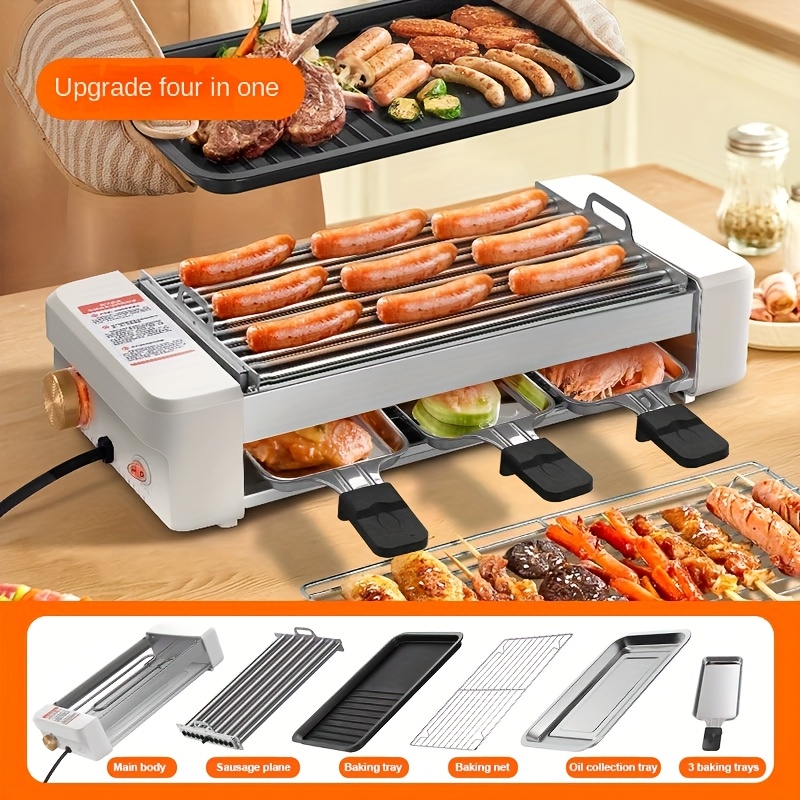
Many parks, campsites, and resorts offer grills for public use. These facilities save you the hassle of bringing or renting a grill.
Before you go, check these details:
- Are grills available on a first-come, first-served basis?
- Do you need to book the grill area ahead of time?
- Are there rules about what you can cook or use on the grill?
- Is firewood or charcoal provided, or should you bring your own?
Credit: www.temu.com
Travel Safety And Maintenance
Taking a portable grill on an airplane requires careful planning. You must follow safety rules and keep your grill in good shape. This helps you avoid problems during travel.
Knowing how to transport, maintain, and store your grill can make your trip easier. It also protects your grill from damage and keeps you safe.
Safe Transportation Practices
Check airline rules before packing your grill. Some grills have parts that are not allowed on planes. Always remove fuel sources like propane tanks or charcoal.
Use a strong, hard case or a heavy-duty bag to carry your grill. This protects it from bumps and drops. Label your luggage clearly with your contact information.
- Remove all fuel and batteries
- Pack grill parts separately if possible
- Use padding to avoid damage
- Keep grill in carry-on if allowed
- Inform airline staff about your grill
Maintaining Your Grill On The Go
Clean your grill after each use to prevent rust and buildup. Use a wire brush and mild soap. Dry it completely before packing.
Check for loose parts or damage regularly. Tighten screws and replace worn pieces to keep the grill safe to use. Carry small tools for quick fixes.
- Brush grill grates after cooking
- Wipe surfaces with a damp cloth
- Inspect parts for damage
- Carry basic repair tools
- Store grill dry to avoid rust
Storing Grills During Travel
Store your grill in a cool, dry place when not in use. Avoid places with high humidity or direct sunlight. Use a grill cover to protect it from dust and dirt.
Keep small parts and accessories in a separate bag. This prevents loss and damage. Label the bag for easy access during travel.
- Use a grill cover or bag
- Store in a dry, shaded area
- Keep fuel away from the grill
- Separate small parts in bags
- Check storage space for stability
Credit: www.mensjournal.com
Frequently Asked Questions
Can You Take A Portable Grill On An Airplane?
Portable grills are generally allowed in checked baggage only. They must be clean and free of fuel or charcoal. Always check the airline’s specific rules before traveling.
Are Charcoal Portable Grills Allowed On Flights?
Charcoal grills are usually prohibited due to fire hazards. Charcoal and lighter fluid are banned in both carry-on and checked luggage.
Can I Carry A Gas Portable Grill On A Plane?
Gas grills must be completely emptied of fuel. Propane tanks are not permitted on flights. Verify airline policies for any additional restrictions.
How Should I Pack A Portable Grill For Air Travel?
Clean the grill thoroughly and remove all fuel sources. Pack it securely in checked luggage to prevent damage during transit.
Conclusion
Carrying a portable grill on an airplane needs careful planning. Airlines often restrict grills with fuel or charcoal. Always check airline rules before packing your grill. Clean grills are easier to bring onboard. Small electric grills might have fewer restrictions.
Being prepared avoids delays or lost items. Travel smart and enjoy grilling safely at your destination.