
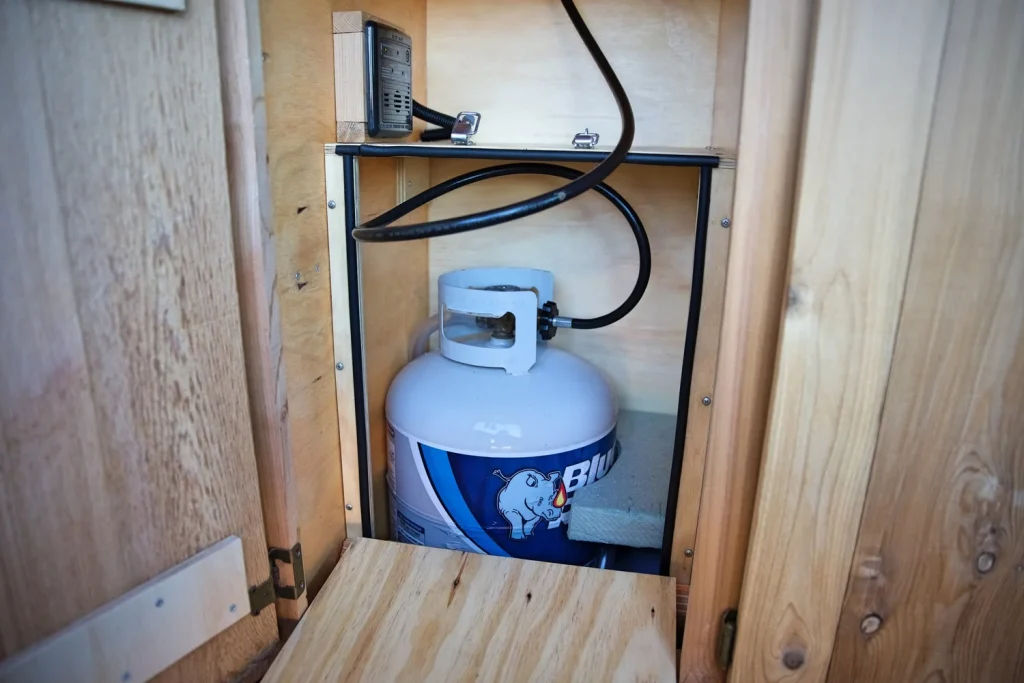
Are you wondering if storing propane tanks indoors is a safe option? You’re not alone.
Many people face this dilemma, especially as the seasons change or when space becomes limited. It’s crucial to understand the risks and benefits associated with storing propane tanks inside your home. Imagine the peace of mind you’ll have by knowing the right choice to make.
This article will guide you through the essential facts, debunk common myths, and provide clear, actionable advice. By the end, you’ll feel confident in your decision-making, ensuring the safety of your home and loved ones. Ready to learn more? Let’s dive in and uncover the truth about indoor propane storage.

Credit: www.reddit.com
Propane Tank Basics
Storing propane tanks indoors can be dangerous due to potential gas leaks. Always keep tanks in a well-ventilated outdoor area. Proper storage helps prevent fire hazards and ensures safety.
Types Of Propane Tanks
- Portable tanks:Small, easy to carry, used for grills or camping.
- Stationary tanks:Large, fixed in place, used for home heating or backup power.
- Disposable tanks:Meant for one-time use and then recycled.
How Propane Tanks Work
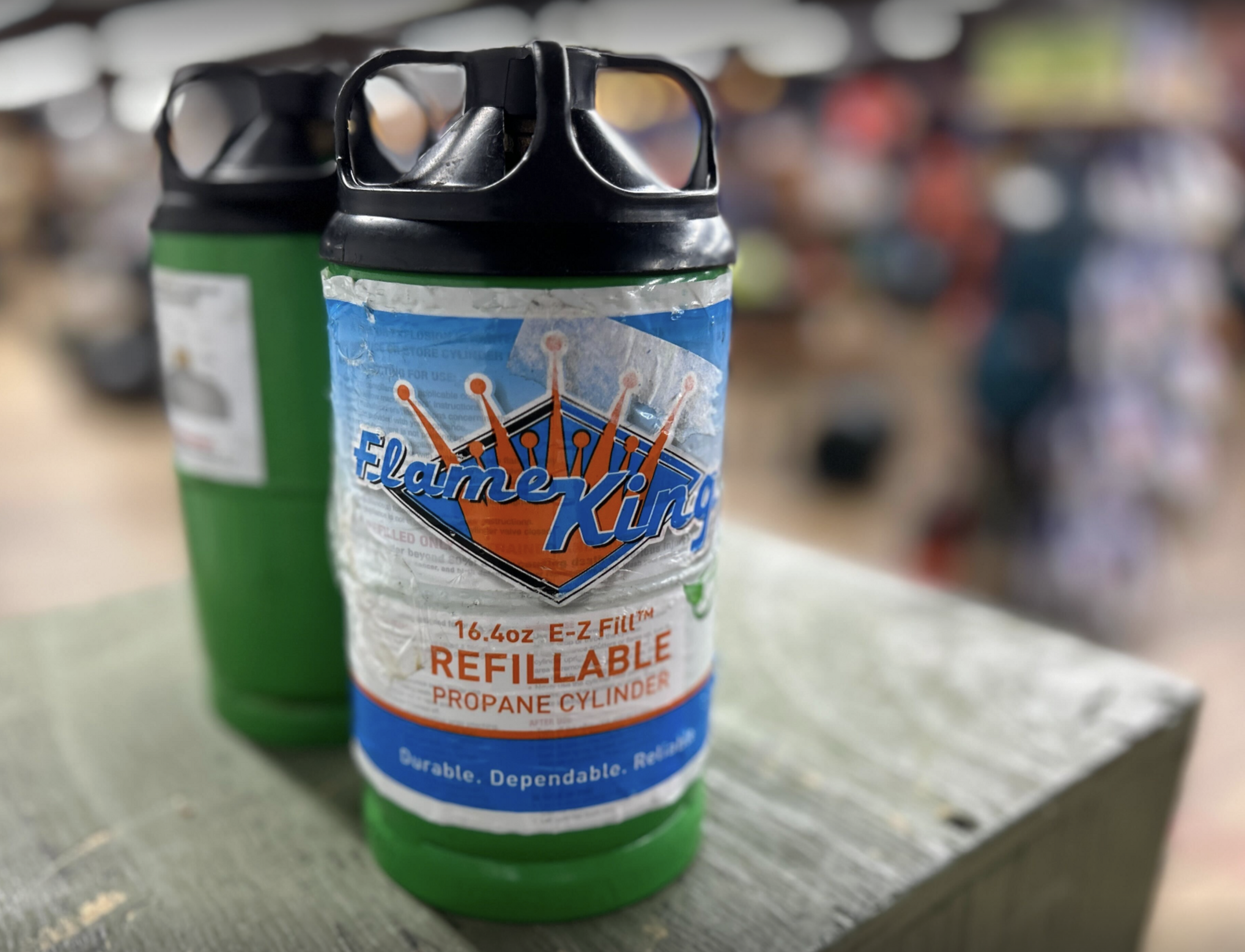
Propane tanks hold gas under pressure in a liquid form. When the valve opens, the liquid propane turns into gas. This gas flows to the appliance to burn as fuel. The tank is designed to keep the propane safe and sealed. A pressure relief valve helps prevent accidents if pressure gets too high. Proper use and storage keep the tank working well and safe.
Credit: sfstandard.com
Indoor Storage Risks
Propane tanksstored indoors can cause serious fire and explosion hazards. Propane is highly flammable. A small spark can ignite leaked gas. This may lead to big firesor even explosions. Tanks should always be kept in well-ventilated areasto avoid gas build-up.
Leaks from propane tanks pose health concerns. Breathing propane gas can cause dizziness, headaches, and nausea. In large amounts, it can lead to loss of consciousness. Because propane is heavier than air, gas can gather near the floor, increasing risks.
Safety Regulations
Local codes and standardsset clear rules for storing propane tanks safely. These rules vary by city and state. Always check with your local fire department or building authority. They tell you how far tanks must be from buildings and exits. Some places do not allow indoor propane storage at all.
Manufacturer guidelinesgive specific advice for each propane tank type. These include how to store, handle, and use tanks safely. Following these rules helps avoid accidents. Tanks must be kept upright and away from heat sources. Proper ventilation is also important to prevent gas build-up indoors.
- Check local laws before storing indoors.
- Follow the tank maker’s instructions carefully.
- Store tanks upright and in ventilated areas.
- Keep tanks away from flames and sparks.

Credit: www.adamsgas.co.uk
Safe Storage Practices
Proper ventilationis crucial for indoor propane tank storage. Keep tanks in areas with fresh air flow. Avoid tight, closed spaces to reduce gas build-up risk.
Maintain a safe distance from heat sources. Place tanks away from heaters, flames, or electrical devices. Heat can cause pressure to rise inside the tank.
- Secure placementprevents tipping or falling.
- Use stable, flat surfaces for tanks.
- Avoid storing tanks near doors or walkways.
- Keep tanks upright to ensure safety and proper valve function.
Alternatives To Indoor Storage
Outdoor storageis the safest place for propane tanks. Keep tanks uprighton a flat surface. Ensure the area is well ventilatedand away from any heat sources. Place tanks in a shaded spot to avoid direct sunlight. Do not store tanks near flamesor electrical equipment.
Storage lockersmade for propane tanks offer extra protection. These lockers are ventilatedto prevent gas build-up. They also protect tanks from weather and theft. Choose lockers made of metalor heavy-duty plastic. Always follow the locker manufacturer’s instructions for safe use.
Emergency Preparedness
Propane leaks can be dangerous. Detecting leaks early is very important. One way is to use a soapy water solution. Apply it on tank connections. Bubbles mean a leak. Another sign is the smell of rotten eggs. Propane has a strong odor added for safety. Listen for a hissing soundnear the tank. This can mean gas is escaping.
In an emergency, turn off the propane supplyimmediately. Leave the area quickly and move to fresh air. Do not use any flames or electrical switches. Call emergency services from a safe place. Never try to fix a leak yourself unless trained.
Frequently Asked Questions
Can Propane Tanks Be Safely Stored Indoors?
No, storing propane tanks indoors is unsafe. Propane is highly flammable and can leak, causing fire or explosion risks. Always store tanks outdoors in a well-ventilated area, away from heat sources.
What Are The Risks Of Indoor Propane Storage?
Indoor propane storage risks include gas leaks, fire hazards, and potential explosions. Propane is heavier than air and can accumulate in low areas, increasing danger indoors. Proper outdoor storage reduces these risks significantly.
How Should Propane Tanks Be Stored Outdoors?
Store propane tanks upright on a flat, stable surface outdoors. Keep them away from direct sunlight, heat, and ignition sources. Use a well-ventilated, secure area to prevent unauthorized access and reduce hazards.
Can Propane Tanks Leak Inside A Home?
Yes, propane tanks can leak inside a home, causing dangerous gas buildup. Leaks are often undetectable without proper sensors, increasing fire and health risks. Avoid indoor storage to prevent this hazard.
Conclusion
Storing propane tanks indoors can be risky and unsafe. Gas leaks might cause fires or explosions. Always keep tanks in a well-ventilated outdoor area. Check for damage and keep tanks upright. Follow local laws and safety rules closely. Protect tanks from heat and direct sunlight.
Proper handling helps prevent accidents and injuries. Safety should always come first when using propane. Stay informed and take care of your tanks properly. Safety matters most for your home and family.