

Are you wondering if you can reuse disposable gloves when preparing your food? It’s a common question, especially when you want to stay safe and save money.
But before you slip those gloves back on, there are important things you need to know. Using gloves the right way can protect you and your family from germs and contamination. Keep reading to find out if reusing disposable gloves is really safe and what you should do instead to keep your kitchen clean and healthy.
Risks Of Reusing Disposable Gloves
Reusing disposable gloves can cause cross-contamination. Germs from one surface can transfer to another. This risks spreading bacteria and viruses.
Gloves made for one-time use lose strength after use. Material degradationmeans gloves can tear or develop holes easily. This makes them unsafe for food handling.
Bacteria can grow inside used gloves, especially if they are moist. This bacterial growthcan cause food contamination and illness. Clean hands with new gloves are safer.
Types Of Disposable Gloves
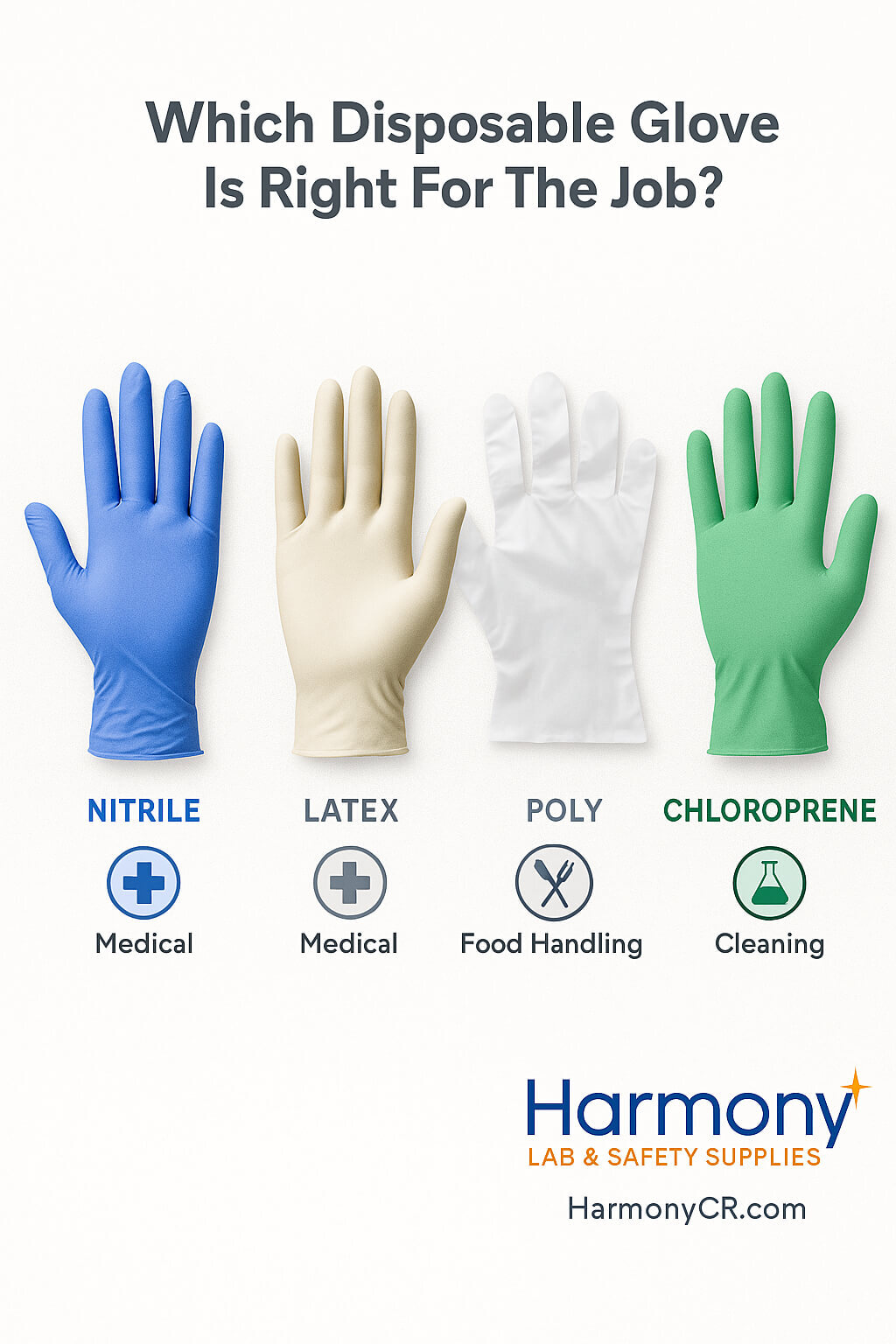
Latex glovesare made from natural rubber. They fit well and offer good protection. These gloves are stretchy and comfortable. Some people may have allergies to latex, so be careful using them.
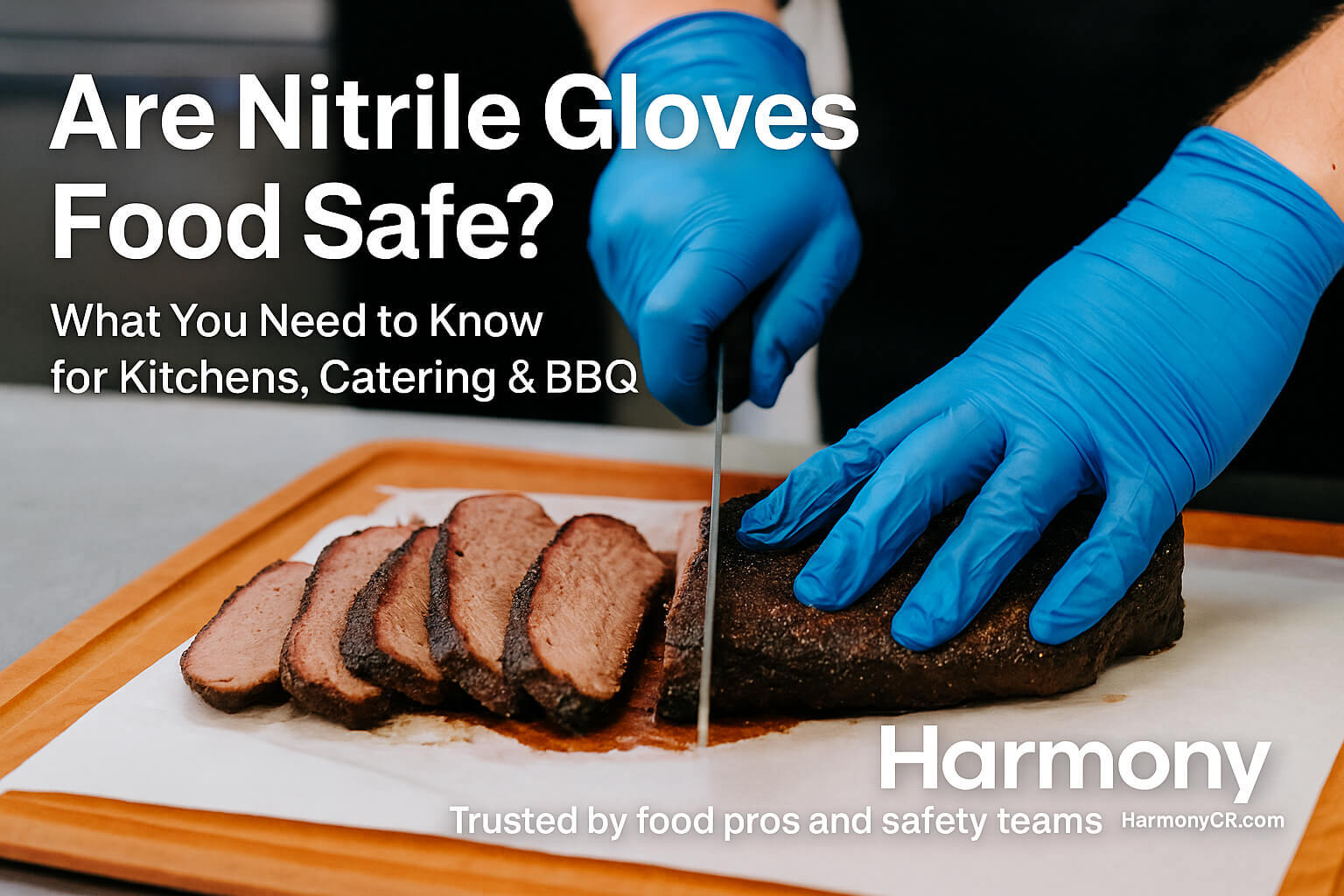
Nitrile glovesare made from synthetic rubber. They are strong and resist many chemicals. Nitrile gloves are good for people with latex allergies. They fit snugly and are often used in food prep.
Vinyl glovesare made from PVC plastic. They are loose-fitting and less durable. Vinyl gloves are cheaper but tear more easily. They are best for short tasks and low-risk food handling.
When Reuse Might Be Possible
Single task glovesare gloves used for one specific job only. Using them for one task helps keep food safe. Reusing gloves that touched raw meat for other foods can cause germs to spread.
Gloves can be reused in limited use scenarioslike working on one food item without breaks. Using gloves this way lowers the chance of contamination. But gloves must be clean and not torn.
Proper handling techniquesinclude washing hands before wearing gloves and changing gloves often. Taking off gloves carefully stops germs from spreading to hands. Always avoid touching dirty surfaces with gloves used for food.
Credit: harmonycr.com
Safe Practices For Food Preparation
Disposable glovesshould never be reused for food preparation. They can carry germs and cause cross-contamination. Changing gloves often helps keep food safe. Always remove gloves after touching raw food or dirty surfaces.
Hand hygieneis very important. Wash hands well with soap before wearing new gloves. Clean hands reduce the chance of spreading germs.
- Change gloves between different tasks
- Never touch clean food with used gloves
- Discard gloves that have holes or tears
- Wash hands after removing gloves
Alternatives To Disposable Gloves
Disposable gloves are not designed for reuse, especially in food preparation. Choosing reusable alternatives like silicone or washable gloves offers better safety and reduces waste. These options protect hands and help keep food clean without harming the environment.
Reusable Gloves Options
Reusable glovesmade from silicone or rubber can be washed and used many times. They are thicker and stronger than disposable ones. These gloves help protect hands from heat and cuts while preparing food. Cleaning them is simple: use soap and warm water. Dry them well before storing to avoid germs.
Sanitizing Hands Effectively
Washing hands often is one of the best ways to keep food safe. Use warm water and soap. Rub hands for at least 20 seconds, including under nails. Dry hands with a clean towel. Hand sanitizers with at least 60% alcohol can be used when soap is not available.
Using Utensils And Tools
Use spoons, tongs, and spatulas to handle food. This lowers the chance of germs spreading. Clean all tools well after use. Keep cutting boards and knives separate for raw and cooked foods to stop cross-contamination.
Credit: harmonycr.com
Environmental Impact Of Disposable Gloves
Disposable gloves create a lot of wasteevery day. Most gloves end up in landfills or oceans. This can harm animals and the environment. They take many years to break down.
Some gloves are made from materials that decompose faster. These are called biodegradable gloves. They help reduce pollution and save nature. Many stores now sell these eco-friendly options.
Cutting down on glove use is good too. Using gloves only when necessary lowers waste. Washing hands often is a safer way to keep clean. This helps protect both people and the planet.

Credit: www.amazon.com
Frequently Asked Questions
Can Disposable Gloves Be Reused For Food Preparation?
No, disposable gloves are designed for single use only. Reusing them risks contamination and foodborne illnesses. Always use fresh gloves for each task to maintain hygiene and food safety.
What Are The Risks Of Reusing Disposable Gloves?
Reusing disposable gloves can transfer bacteria and viruses. It increases cross-contamination risks and compromises food safety. Proper glove use ensures clean handling and prevents foodborne diseases.
How To Properly Use Disposable Gloves In Food Prep?
Wear gloves on clean hands and change them frequently. Avoid touching non-food surfaces while gloved. Dispose of gloves after each use to ensure food safety and hygiene.
Are Disposable Gloves Necessary For All Food Handling Tasks?
Not always, but they are recommended for raw meat, seafood, and ready-to-eat foods. Gloves help prevent contamination and maintain sanitary conditions in food preparation.
Conclusion
Disposable gloves ensure food safety. Reusing them poses risks. Bacteria can spread easily. Gloves lose effectiveness after one use. Always use fresh gloves for each task. This practice prevents contamination. Protects food and health. Simple steps make a big difference.
Choose safety over convenience. Keep food prep hygienic. Prioritize cleanliness. Your health matters most. Disposable means single-use. Avoid shortcuts in the kitchen. Follow best practices for food safety. Stay informed, stay safe.