

Have you ever found yourself hesitating at the kitchen door, wondering if it’s safe to leave your oven on overnight? Maybe you’re trying to slow-cook a delicious meal or want to have your breakfast ready when you wake up.
The thought nags at you: Is it really safe? This question isn’t just about convenience—it’s about ensuring the safety of your home and loved ones. Your peace of mind should never be compromised when it comes to your family’s safety.
We’ll delve into the potential risks and safety measures associated with leaving your oven on overnight. By the end, you’ll have the clear, practical information you need to make an informed decision. Keep reading to discover how you can enjoy both culinary convenience and safety in your home.
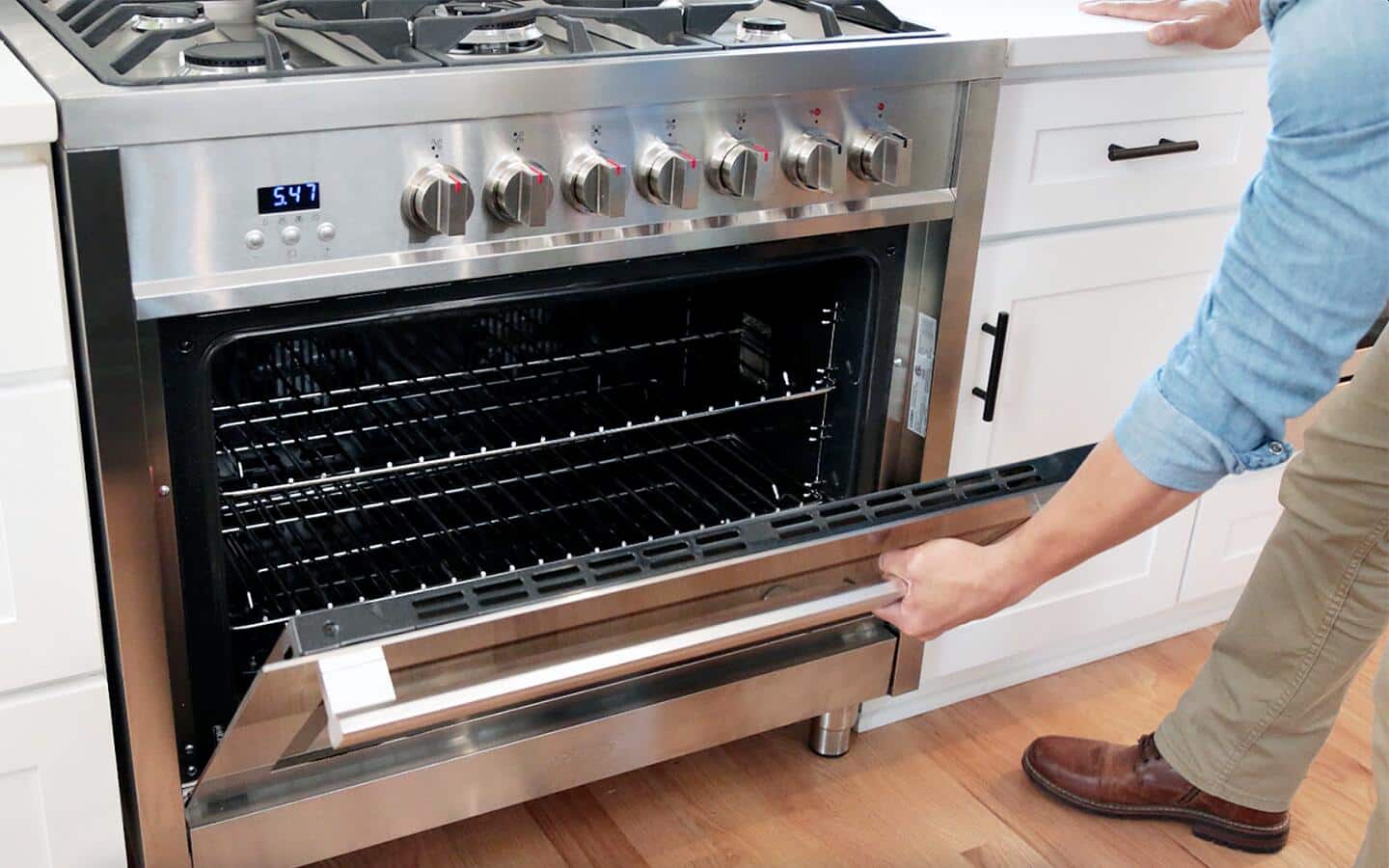
Credit: www.homedepot.com
Potential Hazards
Leaving the oven on overnight poses serious risks. Fire hazards can arise from overheating or electrical malfunctions. Toxic fumes may also be emitted, affecting indoor air quality and health.
Fire Risks
Leaving the oven on overnight can be dangerous. Ovens can overheat and catch fire. Food inside may burn and cause smoke. Grease build-up can ignite easily. Flammable items nearby are at risk. A fire can spread quickly. Prevent fires by turning off the oven when not in use.
Carbon Monoxide Danger
Gas ovens can release carbon monoxide. This gas is very harmful. Breathing it can make you sick. Symptoms include headache and dizziness. High levels can be deadly. Ventilation is important to stay safe. Always check your oven for leaks.
Electrical Issues
Electrical problems can happen with ovens. Wires may wear out and cause sparks. Old ovens are more likely to have issues. A power surge can damage the oven. Short circuits can start fires. Regular checks can prevent these problems.
Safety Precautions
Leaving the oven on overnight poses serious safety risks. Fires can start from overheating or electrical faults. Always ensure the oven is off before sleeping to prevent accidents.
Regular Maintenance
Ovens need regular maintenanceto work properly. Check for any broken parts. Clean the oven often to remove dirt and grease. A clean oven is a safe oven. Make sure the oven door seals tightly. This keeps the heat inside.
Proper Ventilation
Good ventilation is important for safety. It keeps harmful fumes away. Always keep the kitchen window open when using the oven. This helps in keeping the air fresh. Use a kitchen fan if you have one. It helps in removing smoke and heat.
Fire Safety Equipment
Having fire safety tools is very important. Keep a fire extinguisher nearby. Know how to use it in case of an emergency. A smoke detector in the kitchen can alert you early. Check the batteries often. A fire blanket can stop small fires quickly. Keep it within reach.
Alternatives To Overnight Cooking
Slow cookers are perfect for cooking overnight. They use low heat, making it safe. Just set the timer and sleep. In the morning, enjoy a warm meal. Always make sure the cooker is safe. Check for proper cords and lids. These cookers use less power than ovens. They are also easy to clean.
Pressure cookers cook food faster using steam. They are not ideal for overnight use. But they are great for quick meals. Always follow the safety instructions. Make sure the lid is locked tight. This keeps your food safe and tasty. After cooking, let it cool down before opening.
Programmable ovens offer a safer option for overnight cooking. Set the timer and temperature. The oven will turn off automatically. This reduces the risk of overheating. They are easy to use and control. Always check the manual for settings. Keep the oven clean to avoid fire risks.
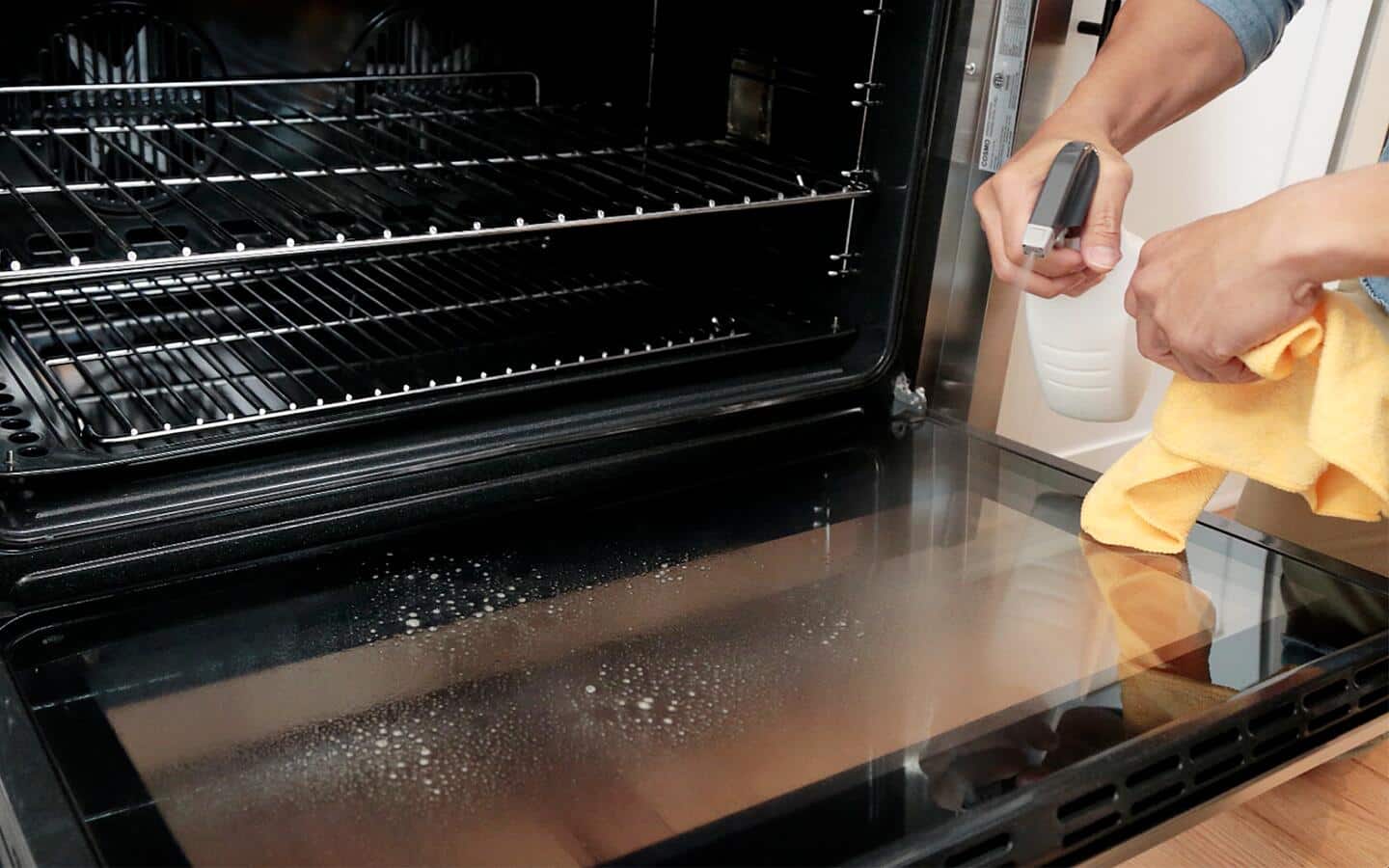
Credit: www.homedepot.com
Expert Opinions
Leaving an oven on overnight poses safety risks. Experts advise against this practice due to potential fire hazards. Safety should always come first in the kitchen.
Firefighter Insights
Firefighters always stress the danger of leaving ovens on. Fires can start quickly. Ovens can overheat and cause serious accidents. Many fires begin in the kitchen. Unattended ovens are risky. Always check your oven before sleeping. Make sure it’s turned off. Safety is a top priority.
Home Safety Tips From Professionals
Experts recommend some key safety tips. Use a timer when cooking. Set reminders to check the oven. Always keep the oven clean. Remove any food spills promptly. Keep flammable items away from the oven. These tips help prevent accidents. Safety must always come first.
Manufacturer Guidelines
Manufacturers provide clear instructions for oven use. Follow their guidelines for safety. Most suggest not leaving ovens unattended. Regular maintenance is necessary. Check the oven’s wiring and components. If unsure, contact the manufacturer for advice. Proper use ensures long-lasting safety.
Legal And Insurance Implications
Leaving the oven on overnight can lead to fire hazards, affecting legal and insurance coverage. Home insurance may not cover damages if negligence is proven, leading to costly repairs. Always prioritize safety by turning off appliances before bedtime.
Home Insurance Policies
Home insurance policies vary by company. Some might cover fire damage. Others might not. It’s important to read your policy. Understand what it covers. Leaving the oven on might void coverage. Always check with your insurance agent. Ask about specific scenarios. This ensures you’re aware of your coverage. Fire damage can be costly without insurance help.
Legal Responsibilities
Leaving an oven on can be risky. It might lead to a fire. You could be held responsible for damages. Legal consequences can follow. These might include fines. Or even lawsuits. Be cautious and responsible. Safety should always come first. Never leave cooking appliances unattended. This keeps everyone safe. Protects your home and others. Responsibility is key in avoiding legal troubles.
Common Myths
Leaving an oven on overnight is often considered risky. Many worry about potential fire hazards and energy waste. It’s safer to turn off appliances when not in use.
Myth Of Low Temperature Safety
Many think low temperatures are safe for ovens overnight. This is not true. Even at low settings, ovens can cause fire risks. Food left inside can spoil or burn. Unattended ovens can lead to accidents. Always turn off ovens when not in use. Safety should always come first.Misconceptions About Modern Ovens
Some believe modern ovens are smart and safe for long hours. They think new technology prevents any danger. But, no oven is truly risk-free. Electrical faults can still happen. An oven’s auto-off feature may not work properly. Check your oven’s manual for safety tips. Always supervise your oven when cooking. Safety is a must. `
Credit: www.tiktok.com
Frequently Asked Questions
What Happens If I Leave The Oven On Overnight?
Leaving the oven on overnight can pose safety risks. It increases the chance of fire and can lead to harmful gas emissions. Additionally, it wastes energy and can damage the oven. Always ensure your oven is turned off after use to prevent hazards.
Do Ovens Turn Off If Left On Too Long?
Most ovens don’t automatically turn off if left on too long. Some modern models have safety features to prevent overheating. Check your oven’s manual for specific details on auto-shutoff functions. Always turn off the oven when not in use to ensure safety and energy efficiency.
Is It Safe To Leave The House With An Electric Oven On?
Leaving the house with an electric oven on is not safe. It poses fire hazards and risks. Always turn off appliances before leaving. Ensure your home’s safety by checking all electrical devices. Regular maintenance can prevent potential dangers. Prioritize safety to avoid accidents and ensure peace of mind.
What Happens If You Accidentally Leave The Stove On Overnight?
Leaving the stove on overnight can cause a fire hazard and increase energy costs. Check for damage and ensure proper ventilation. Turn off the stove immediately and monitor for any unusual smells or smoke. Consider installing smoke detectors and using timers as safety measures.
Always double-check appliances before sleeping.
Conclusion
Leaving the oven on overnight poses risks. Fires can start unexpectedly. Energy waste adds up quickly. Safety should always come first. Check appliances regularly for any issues. Consider using a timer for peace of mind. This prevents accidents and conserves energy.
An oven left on can become dangerous fast. Always remember to turn it off before sleeping. Make it a habit to double-check. Protect your home and loved ones by being cautious. A little care can prevent major problems. Keep your kitchen safe, always.