

Imagine transforming your small kitchen into a more functional and stylish space with a simple addition. Yes, we’re talking about a kitchen island.
You might wonder if it’s possible to squeeze an island into your cozy cooking area. The answer may surprise you. Adding an island can not only enhance the aesthetics but also dramatically increase your kitchen’s efficiency. Picture yourself with extra counter space and storage options, making meal prep and entertaining a breeze.
We’ll explore creative solutions to fit an island in even the smallest of kitchens. You’ll discover innovative designs and space-saving tricks that can redefine your culinary space. Ready to unlock the potential of your small kitchen? Keep reading to find out how an island could be the game-changer you never knew you needed.
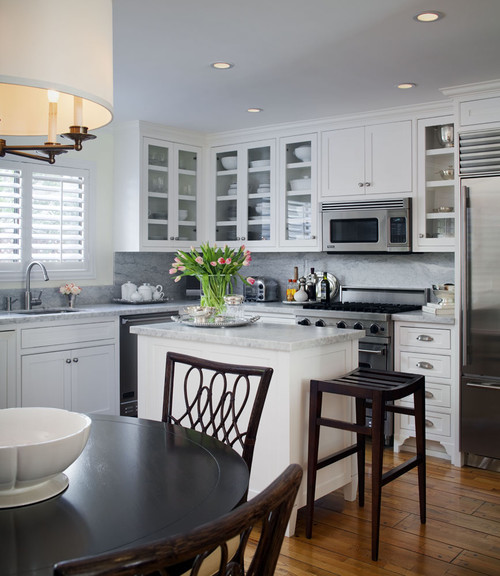
Credit: www.forbes.com
Benefits Of Kitchen Islands
Kitchen islands can help in using space wisely. They offer extra storage for your pots and pans. Also, they give you more room to chop and cook. This can make your kitchen feel bigger and less cluttered.
A kitchen island can be a great helper. It can have a sink or a stove. This makes cooking easier and faster. You can also use it for eating meals or doing homework. It can be a very useful part of the kitchen.
Islands can make a kitchen look very nice. They come in many styles and colors. You can choose one that matches your kitchen. This can make your kitchen look more modern and fun.
Assessing Kitchen Space
Small kitchens need smart planning. Measure your kitchen space first. Use a tape measure for this task. Note down the length and width. Every inch counts in a small kitchen. The island should fit without blocking paths. Think about the height too. It should match counters.
Kitchen islands can affect movement. Paths around the island should be clear. People should walk freely. Avoid placing the island near the door. Doors should open without hitting anything. Keep at least three feet of space around the island. Good traffic flow makes cooking easier.
Storage matters in tiny kitchens. Islands can offer extra space. Consider what you need to store. Pots, pans, or groceries may need room. Shelves or drawers in the island help. Plan your storage before buying the island. This keeps the kitchen tidy and organized.
Types Of Small Kitchen Islands
Rolling carts are great for small kitchens. They move easily on wheels. You can place them anywhere. Use them for chopping vegetables or storing pots. When you need more space, roll them away. These carts come in many sizes. Choose one that fits your kitchen well. Some even have shelves or drawers. This helps with organizing kitchen tools.
Peninsula islands connect to a wall or counter. They save space and add style. Use them for cooking or eating. They work well in narrow kitchens. You can add stools for seating. This makes the kitchen cozy. They often have storage below. Keep your pans and dishes there.
Drop-leaf designs offer flexibility. Their sides fold down when not needed. This saves space in tight kitchens. Use them for meal prep or serving. Some have wheels for easy moving. They can be a table or island. Perfect for small family meals.
Choosing The Right Island
Picking the right material is key. Wood is a popular choice. It’s warm and cozy. Stainless steel is sleek and modern. It’s easy to clean. Granite is strong and beautiful. But it can be costly. Think about your needs and budget first. Choose a material that suits your kitchen style.
Colors can change a room’s feel. Light colors make spaces seem bigger. Dark shades can add warmth. Glossy finishes are shiny and bright. Matte finishes are smooth and calm. Pick a color and finish that matches your kitchen. The right choice can make a small kitchen feel just right.
Style is important, but function is key. An island should offer more than looks. It can provide storage and seating. It can be a place to work or eat. Ensure it does not crowd the space. A well-chosen island balances style and use. It makes your kitchen both pretty and practical.
Incorporating Storage Solutions
Built-in shelvessave a lot of space. Shelves fit neatly into walls. They hold spices, dishes, or cookbooks. No more clutter on countertops. Everything has its place.
Choose drawer optionswisely. Deep drawers store pots and pans. Shallow ones hold utensils. Drawers organize items well. They keep the kitchen tidy.
Utilizing vertical spaceis smart. Hang pots above. Use hooks for mugs. Shelves can go high up. Tall cabinets hold more. Use every inch wisely.
Optimizing Functionality
A small kitchen can have a cozy seating area. Use stools that tuck under the island. This saves space and offers a place to sit. A bench along the wall is another great idea. It’s comfy and compact.
Choose small or built-in appliances. They fit well in small spaces. A compact oven or fridge works best. Use multi-functional appliances. These save space and add convenience.
Use the island as a prep station. Add a cutting board on top. Store kitchen tools and bowls below. This keeps everything in one place. It makes cooking easy and fun.
Diy Vs. Professional Installation
Choosing between DIY and hiring a professional is tricky. DIY projects often save money. But they might lack a polished finish. Professionals charge more. Yet, their work is neat and lasting. Consider materials and tools needed for DIY. This affects your budget.
DIY requires some skills. Easy for those who love handy work. Tougher for beginners. Professionals know what they’re doing. They have experience and training. DIY may take more time. Mistakes can happen if skills are low. Professionals work faster and make fewer errors.
Professional installations tend to last longer. Quality is often higher. DIY might need repairs sooner. Professionals use better materials. This means less wear and tear. DIY projects might wear out quickly. Think about how long you want your island to last.
:max_bytes(150000):strip_icc()/MichelleGersonUESKitchenPhotographerMarcoRicca-2aebd23874364a59a658be9588388a67.jpeg)
Credit: www.thespruce.com
Common Mistakes To Avoid
Small kitchens can feel cramped if not planned well. Adding too many items will make the space feel tight. Choose compact furniture. Leave enough space around the island. This helps in moving freely. Avoid placing large appliances near the island. They can block paths. Think about storage needs. Use cabinets wisely. Shelves can be great for saving space.
Mobility is key in small kitchens. Ensure paths are clear. People should move easily. Position the island to allow easy movement. Avoid sharp corners. They can hurt people. Think about the placement of chairs. They shouldn’t block ways. Consider wheels for the island. This makes it easy to move.
Good lighting makes a kitchen feel bigger. Natural light is best. Place the island where light can reach. Use bright lights above the island. They make tasks easier. Avoid dark corners. They can make the kitchen feel small. Consider pendant lights. They add style and brightness.
:max_bytes(150000):strip_icc()/SPR-small-kitchen-island-ideas-4178804-hero-a83b98f2a430496fbf99f48379b01515.jpg)
Credit: www.thespruce.com
Frequently Asked Questions
What Size Kitchen Is Too Small For An Island?
A kitchen needs at least 150 square feet for an island. Ensure 36-48 inches of clearance around the island. Smaller kitchens may feel cramped and hinder movement. Consider dimensions and layout carefully before adding an island.
Are Islands Good For Small Kitchens?
Islands can enhance small kitchens by adding storage and workspace. They optimize functionality without overwhelming space. Choose compact designs to maintain flow and accessibility. Prioritize multi-purpose islands for efficiency in small kitchen areas. Ensure it complements the kitchen layout for seamless integration.
Can You Fit A Kitchen Island In A Small Kitchen?
Yes, a kitchen island can fit in a small kitchen. Choose compact designs that maximize space. Opt for multi-functional islands with storage, seating, or built-in appliances. Ensure clear walking paths around the island. Measure the area carefully to find the perfect fit for your kitchen layout.
When Should You Not Have A Kitchen Island?
You should avoid a kitchen island in small spaces with limited room to move around. It may disrupt workflow and create clutter. Consider not having one if it obstructs essential kitchen zones or if there’s insufficient clearance for appliances and cabinet doors.
Conclusion
An island can fit in a small kitchen. Consider space and functionality. Choose a compact design that suits your needs. You might find portable islands helpful. They offer flexibility and style. Look for designs with storage options. This maximizes utility in limited space.
Remember, an island should enhance your kitchen. Not crowd it. Small kitchens can still be functional and stylish. With smart planning, you can achieve both. A well-chosen island can transform your space. Even in a small kitchen, possibilities exist. Explore them and enjoy your cooking area.